How to Get Rid of Kitchen Knives Safely and Responsibly
When you want to get rid of kitchen knives, the safest approach is to handle them carefully to avoid injury or accidents. Simply tossing them away can be dangerous both to you and waste management workers. The best option is to secure the blades before disposal or explore donation and recycling programs that accept kitchen knives.
Properly getting rid of kitchen knives matters for household safety and environmental reasons. Old knives can damage trash bags or recycling bins and cause injuries if not wrapped or handled correctly. Moreover, knives made from metals can often be recycled instead of ending up in landfills, which helps reduce environmental impact.
This article covers safe disposal techniques for kitchen knives, including wrapping and packaging methods, donation options, local regulations, recycling possibilities, and creative repurposing ideas. Following these guidelines will help you part with your kitchen knives responsibly and safely.
Safe Preparation Before Disposing of Kitchen Knives
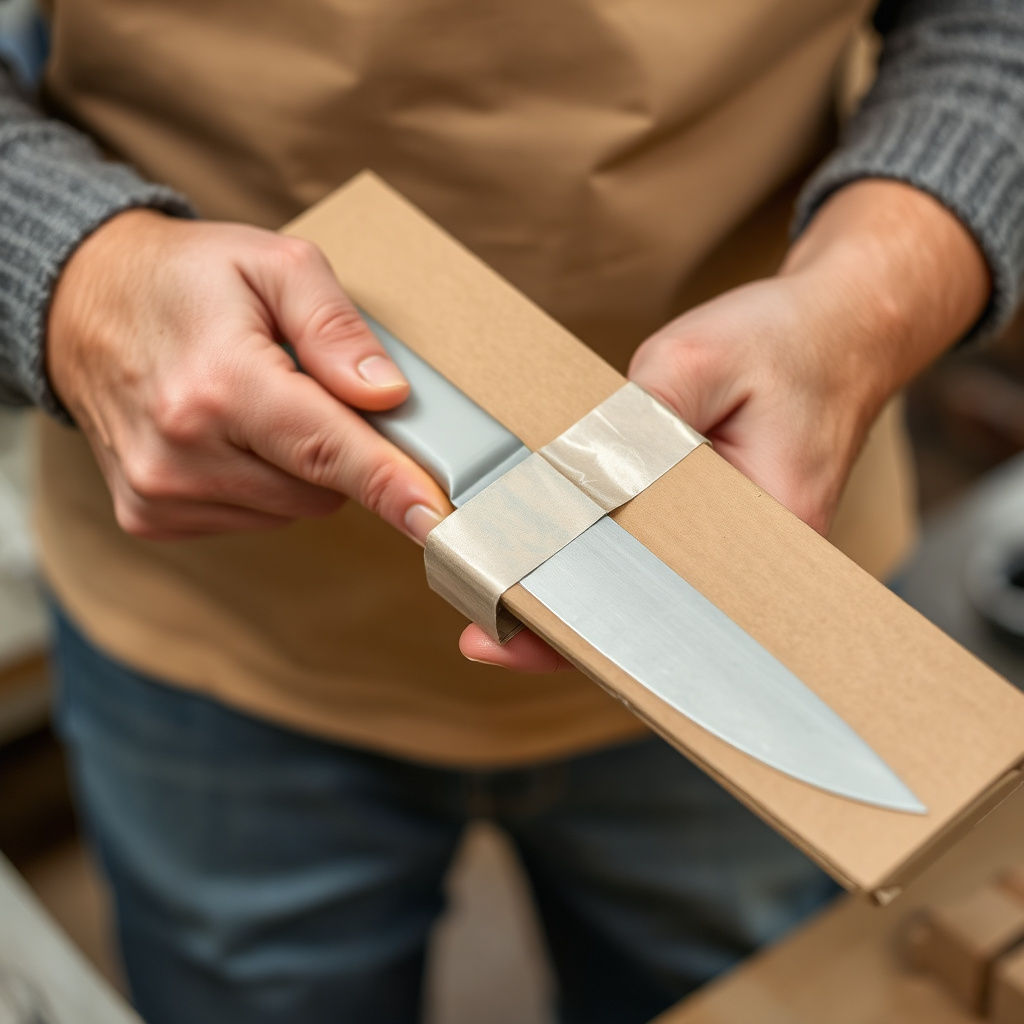
How to Secure Kitchen Knives for Disposal
Before discarding kitchen knives, the blades should be carefully covered to prevent cuts and punctures. Wrap the blade in several layers of cardboard or heavy paper and secure it with strong tape. This method keeps the sharp edge protected and makes handlers’ jobs safer.
Using materials like bubble wrap or a thick cloth under the cardboard layer adds extra protection. Labeling the package with a warning such as 'Sharp Blades' can alert garbage collectors. Avoid placing loose knives directly in trash bags to reduce injury risk.
- Wrap blade in cardboard and tape securely
- Add bubble wrap or cloth for cushioning
- Label the wrapped knife as 'Sharp Blades'
- Never discard knives loosely
Separating Knife Components if Possible
If you can safely unscrew or separate the handle from the blade, this can aid in recycling processes. Metal blades can be recycled while some handle materials, like plastic or wood, might need different disposal methods.
Take care when dismantling knives and use appropriate tools to avoid accidents. Keep blades and handles in separate bundles wrapped securely, ensuring none can cut through packaging.
- Unscrew or detach blade from handle carefully
- Wrap parts separately and clearly mark them
- Handle different materials based on local disposal rules
Donation and Reuse Opportunities for Kitchen Knives
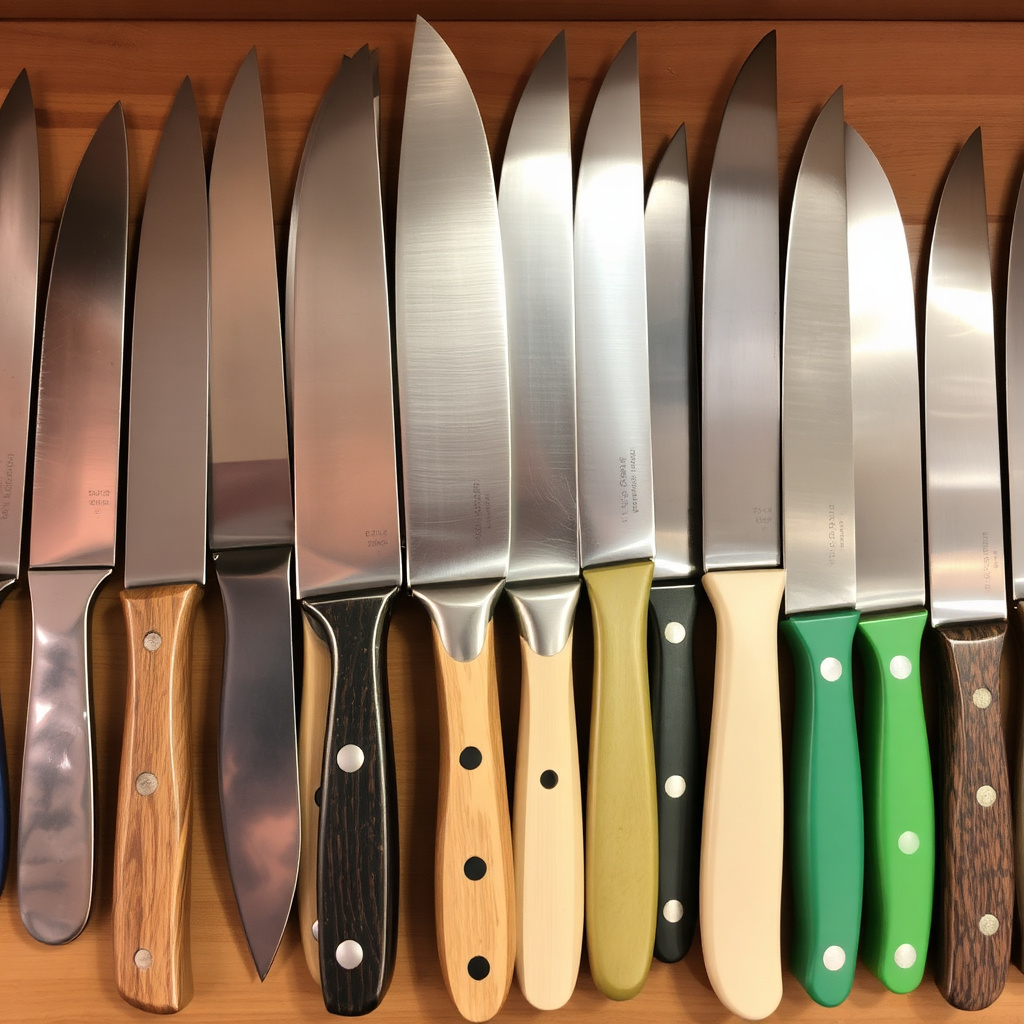
Donating Usable Kitchen Knives to Charities
If your kitchen knives are still in good condition, consider donating them to charities, shelters, or community kitchens that accept kitchen tools. Make sure the knives are clean, sharp, and safely packaged.
Many organizations appreciate these donations to support cooking programs for individuals in need. Contact local charities beforehand to confirm if they accept such items and verify any requirements for packaging.
- Ensure knives are clean and functional
- Package knives safely for transport
- Contact charities to confirm acceptance
- Consider community centers or vocational schools
For more on this, see our related guide: How to Sharpen Kitchen Knives With Rod in 5 Easy Steps.
Repurposing Old Knives for Crafts or Decoration
Old kitchen knives that aren't suitable for cooking can sometimes be transformed into art pieces or decorative elements. Some hobbyists use blades in sculptures or turn handles into unique crafts.
If you are interested in DIY, worn blades can be polished and displayed or used in garden markers. Always prioritize safety and consider consulting with professionals on modifications.
- Use blades in sculptures or artistic projects
- Transform handles into handcrafted items
- Apply protective coatings for safe display
- Avoid repurposing if blades are rusted or damaged
Recycling Kitchen Knives Responsibly
Finding Local Metal Recycling Programs
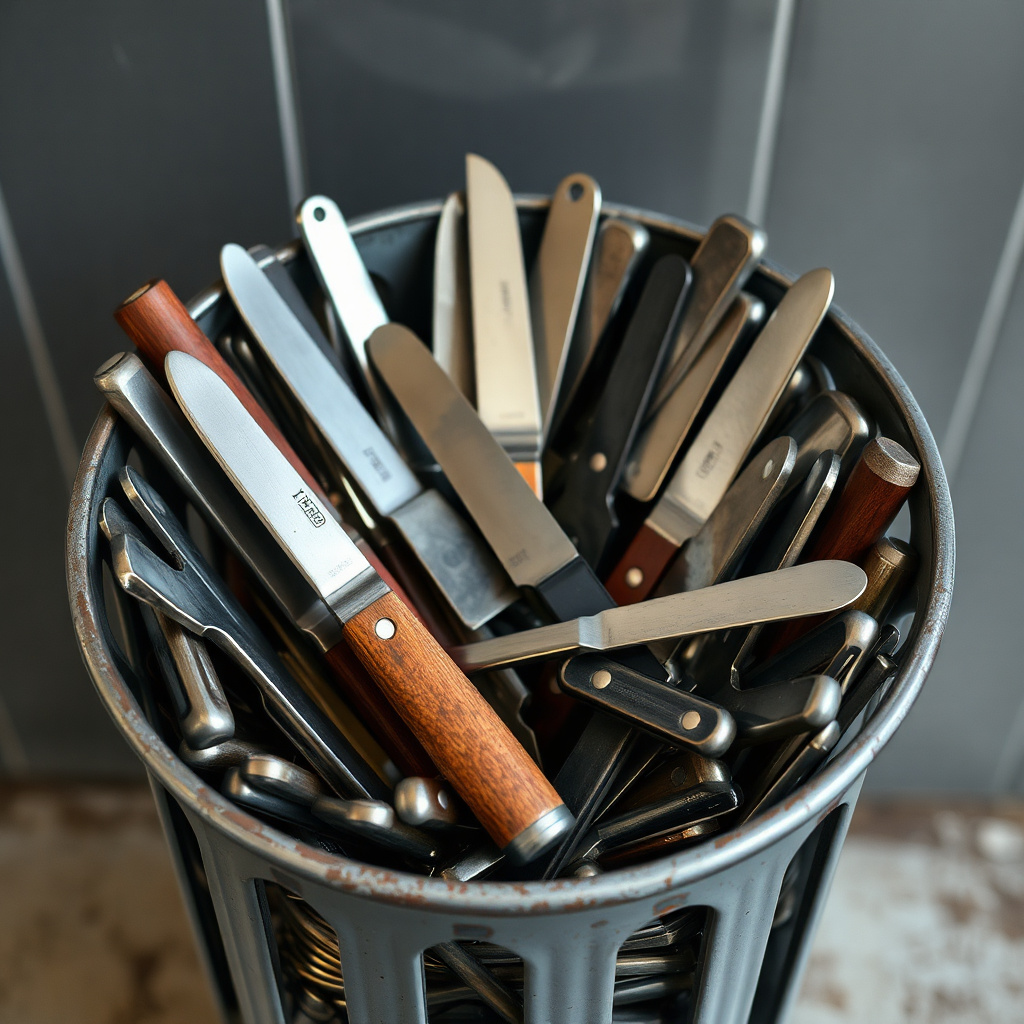
Many municipalities have metal recycling facilities that accept kitchen knives made primarily of steel. Contact your local waste management or recycling center to check if they accept knives and what preparation is needed.
Recycling knives prevents metal waste in landfills and recovers valuable resources. Remember to properly wrap knives and separate metal components if required.
- Locate nearby metal recycling centers
- Follow center guidelines for knife preparation
- Separate metal parts for easier processing
- Avoid mixing knives with non-metal recyclables
Using Specialized Recycling Services
Some companies offer mail-in or drop-off services for recycling kitchen knives and other sharp household tools. These services usually provide containers or instructions for safe packing and shipping.
Specialized recycling ensures blades are handled properly and materials recovered efficiently. Explore these options if local programs are unavailable or restrictive.
- Research mail-in recycling programs
- Follow packing and shipping guidelines carefully
- Use provided containers if supplied
- Check fees or service costs before sending
Understanding Local Regulations on Knife Disposal
Municipal Rules for Household Knife Disposal
Local waste authorities often have specific rules for disposing of sharp objects like kitchen knives. Some regions require knives to be taken to hazardous waste facilities, while others allow them in the regular trash if wrapped properly.
Ignoring these regulations may result in fines or improper handling risks. Check your city or county’s official website for the most accurate disposal guidelines.
- Review municipal waste disposal rules
- Follow instructions for sharp object disposal
- Use designated drop-off points if required
- Never discard knives in recycling bins unless allowed
For more on this, see our related guide: How to Dispose of Old Kitchen Knives Safely.
Safe Disposal in Hazardous Waste Programs
Some areas classify kitchen knives under household hazardous waste, requiring special disposal methods. Hazardous waste programs accept sharps to avoid injury to sanitation staff and environmental contamination.
Schedule a collection or drop off knives during hazardous waste events, and always package blades safely. These programs promote responsible handling of potentially dangerous household items.
- Identify hazardous waste collection dates
- Package knives according to program guidelines
- Deliver knives to designated locations
- Keep records of hazardous waste submissions
Creative Alternatives: Beyond Disposal
Upcycling Knife Handles into New Tools
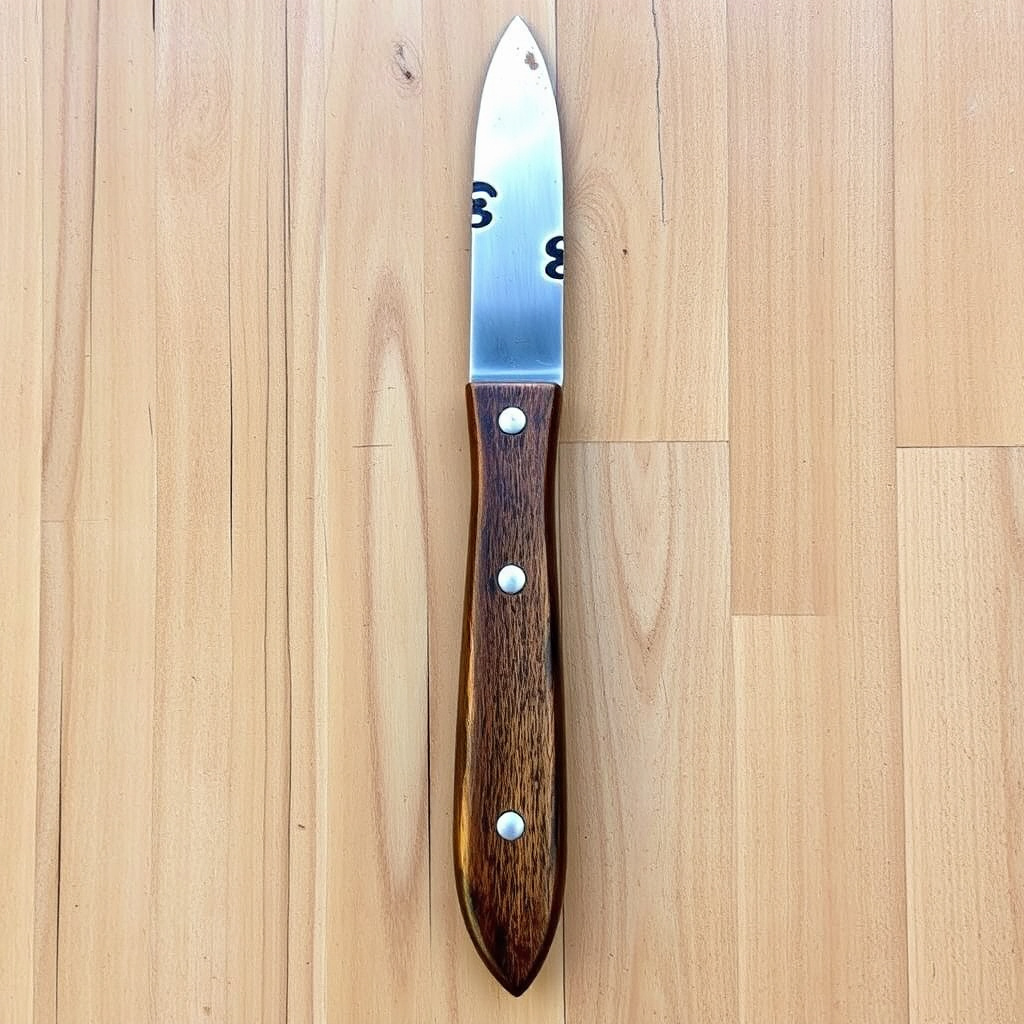
Knife handles made from sturdy materials like wood or resin can be repurposed into smaller hand tools or crafted items. Removing the blade and sanding the handle creates an ergonomic tool base for gardening or craft projects.
This upcycling reduces waste and encourages creative reuse. Always ensure ergonomics and durability for intended new uses.
- Remove blade safely
- Sand and shape handle for grip
- Attach to tool heads or craft parts
- Seal wood to extend lifespan
For more information about knives and their safe handling, you can review general knife disposal guidelines on Wikipedia. knife disposal guidelines.
Using Safety Knives and Kitchen Upgrades
Instead of fully disposing of knives, upgrading to safer models with blade guards or ceramic blades can reduce disposal frequency. Safety knives last longer and may require less replacement, limiting waste.
These improvements encourage sustainable kitchen management and reduce kitchen knife disposal needs over time.
- Choose knives with protective sheaths
- Consider ceramic blades for longevity
- Maintain knives properly to extend life
- Recycle older blades accordingly
Kitchen Knife Disposal Methods Comparison
Here’s a comparison of various kitchen knife disposal methods to help choose the best option for safety and environmental responsibility.
| Method | Safety Level | Environmental Impact | Cost | Ease of Use |
|---|---|---|---|---|
| Standard Trash Disposal | Low | High waste risk | Free | Easy but unsafe if unwrapped |
| Metal Recycling Center Drop-off | High | Low (recycles metal) | Free or minimal fee | Moderate (requires prep) |
| Charity Donation | High (if knives usable) | Very low | Free | Moderate (must clean and transport) |
| Mail-in Specialized Service | High | Low | Variable | Requires packaging and shipping |
| Hazardous Waste Collection | Very high | Low | Free | Limited to scheduled events |
| Upcycling Repurposing | Variable | Very low | Material cost only | Variable complexity |
Frequently Asked Questions
Can I just throw kitchen knives in the regular trash?
Throwing knives directly into the regular trash without wrapping is unsafe. Blades can injure waste workers or puncture bags. Always wrap blades securely with cardboard or other protective materials before disposal.
Are kitchen knives accepted at recycling centers?
Many local metal recycling centers accept kitchen knives if prepared correctly. You must separate metal parts and wrap blades safely. Contact your local center to confirm their policies before taking knives for recycling.
How do I know if my knives can be donated?
If your knives are clean, sharp, and in good condition with no rust, they may be accepted by charities or community kitchens. Always check with the receiving organization beforehand for their donation criteria.
Are there any special disposal events for kitchen knives?
Some municipalities have hazardous waste collection days accepting sharp household items like knives. These events provide a safe disposal option, but schedules and rules vary, so watch local announcements or websites.
What should I do with old knife handles after blade removal?
Old knife handles can be recycled separately if their material is accepted or creatively reused in crafting projects, such as transforming them into tool grips or decorative items.
Key Takeaways
- Always wrap kitchen knives securely before disposal to prevent injuries.
- Consider donation for usable knives to support communities and reduce waste.
- Use local metal recycling or hazardous waste programs for responsible disposal.
- Upcycling and repurposing handles can extend the life of knife materials.
Conclusion
Selecting a proper way to get rid of kitchen knives involves balancing safety, environmental responsibility, and local regulations. Ensuring blades are securely wrapped protects waste handlers from harm. Checking your local municipality’s rules will guide whether you should use regular trash, recycling centers, or hazardous waste programs. Thoughtful disposal reduces injury risk and prevents unnecessary landfill waste from metals and plastics.
If your knives remain functional, donating them to charities or community kitchens extends their usefulness, helping others while minimizing waste. For knives beyond use, metal recycling centers or specialized mail-in recycling services are practical options that recover valuable materials. Participating in hazardous waste collection events is another reliable choice for safe handling. Repurposing handles or integrating safer knife models reduces the frequency of disposal and promotes sustainability.
Ultimately, the best next step is to evaluate your knives' condition and local disposal options. Start by securely wrapping your knives, then explore donation or recycling possibilities nearby. For knives too worn for reuse, locate an appropriate recycling point or hazardous waste event. These thoughtful efforts will help you dispose of kitchen knives with care, protecting yourself, your community, and the environment.