How to Plant a Kitchen Garden: A Step-by-Step Guide for Fresh Homegrown Produce
Starting a kitchen garden is simpler than many think—first, select a suitable spot with ample sunlight, prepare your soil with compost or organic matter, then choose plants based on your space and climate. You can plant herbs, vegetables, and small fruits directly in your garden bed or containers for easy access during cooking.
Having a kitchen garden not only supplies fresh, flavorful ingredients but also offers a rewarding hobby that connects you with the food you eat. It reduces trips to the store, cuts down on plastic packaging, and can improve your diet with nutrient-rich homegrown produce.
This guide will walk you through selecting the ideal location, soil preparation, choosing plants suited to your environment, planting techniques, and maintaining your garden. You’ll also find practical tips on harvesting and common challenges to expect as your kitchen garden grows.
Choosing the Right Location for Your Kitchen Garden
Assessing Sunlight and Space Requirements
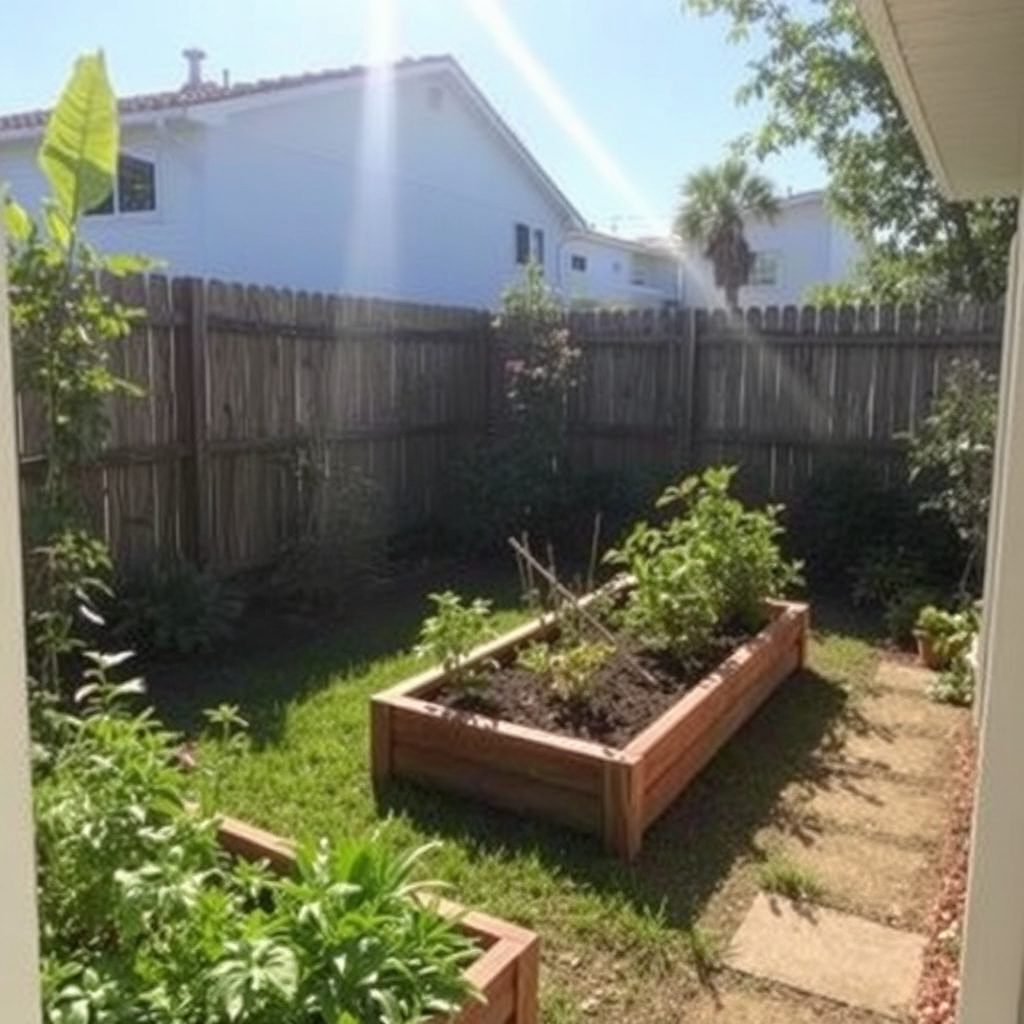
Most kitchen garden plants need at least six hours of direct sunlight daily. Observe your potential garden spots throughout a sunny day to check for light patterns and avoid areas overshadowed by trees or buildings. If ground space is tight, vertical supports or container gardens allow you to grow upwards without sacrificing sunlight.
Consider proximity to your kitchen for convenience, especially for herbs and quick-harvest crops. Balconies, windowsills with ample light, and patios can all serve as ideal kitchen garden locations, adapting based on the space available.
Soil Quality and Drainage Considerations
Good soil drains well but retains moisture. Avoid soggy spots or compacted ground where water pools as most vegetables need well-drained soil to prevent root rot. Raised beds or containers equipped with drainage holes can improve drainage and soil conditions significantly.
Test your soil’s texture by feeling it; sandy soils drain fast but may dry out quicker, while clay soils hold water longer but can be heavy and retain cold. Amending soil with organic compost boosts fertility, improves structure, and supports healthy plant growth.
Selecting Plants for Your Kitchen Garden
Best Vegetables and Herbs for Beginners
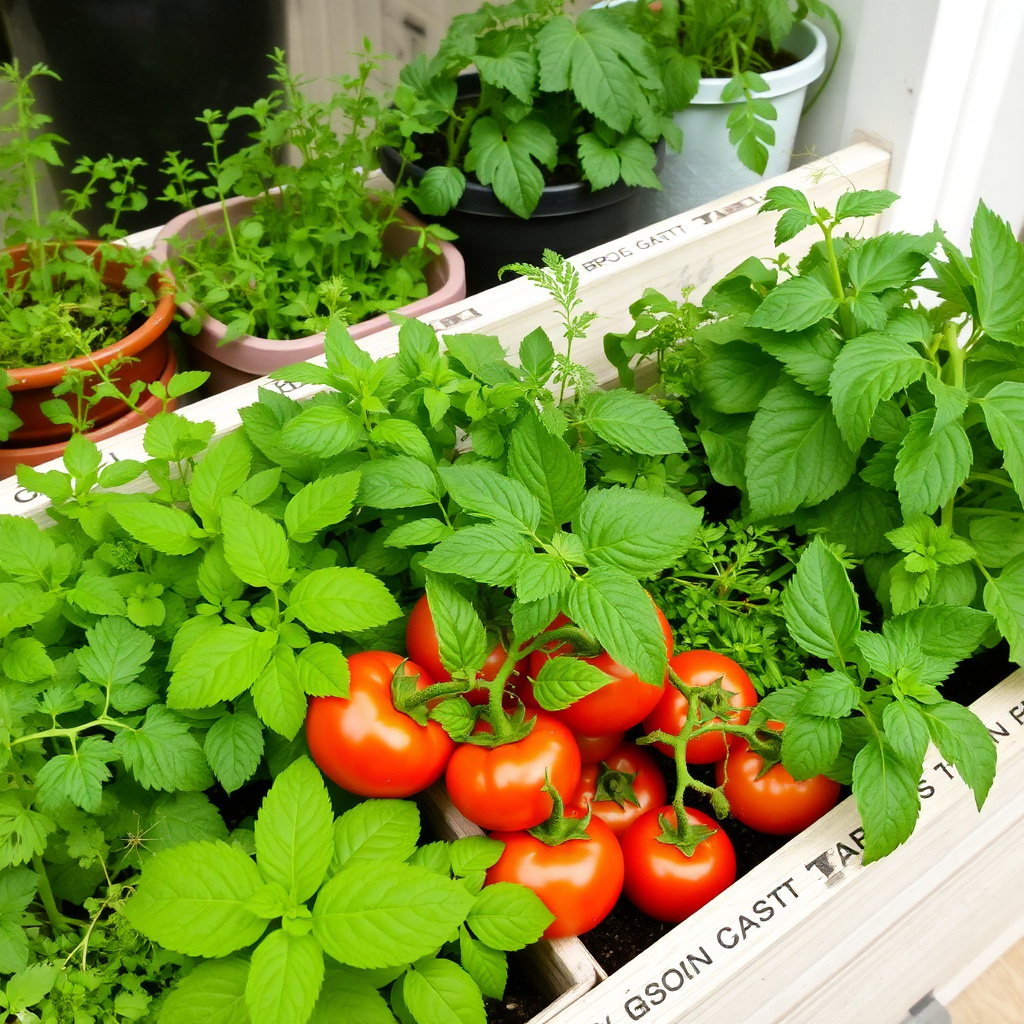
Begin with easy-to-grow plants like basil, parsley, mint, cherry tomatoes, lettuce, radishes, and green beans. These offer quick yields and adapt well to container growing or small plots.
Herbs are especially well-suited for kitchen gardens because they require less space and can often thrive indoors. They add fresh flavor to meals just a step away from your stove.
- Basil
- Parsley
- Lettuce
- Radishes
- Cherry tomatoes
- Green beans
For more on this, see our related guide: 10 Easy Steps How to Unclog a Kitchen Drain.
Choosing Plants Based on Climate and Season
Select plants that match your local growing season and climate zone to maximize success. Cool-season crops such as spinach or broccoli flourish in spring and fall, while warm-season plants like peppers and basil prefer summer warmth.
Consult regional planting calendars available online or from local extension services to align planting times and avoid disappointments with frost or heat stress.
Preparing the Soil and Planting Techniques
Soil Preparation and Fertilization
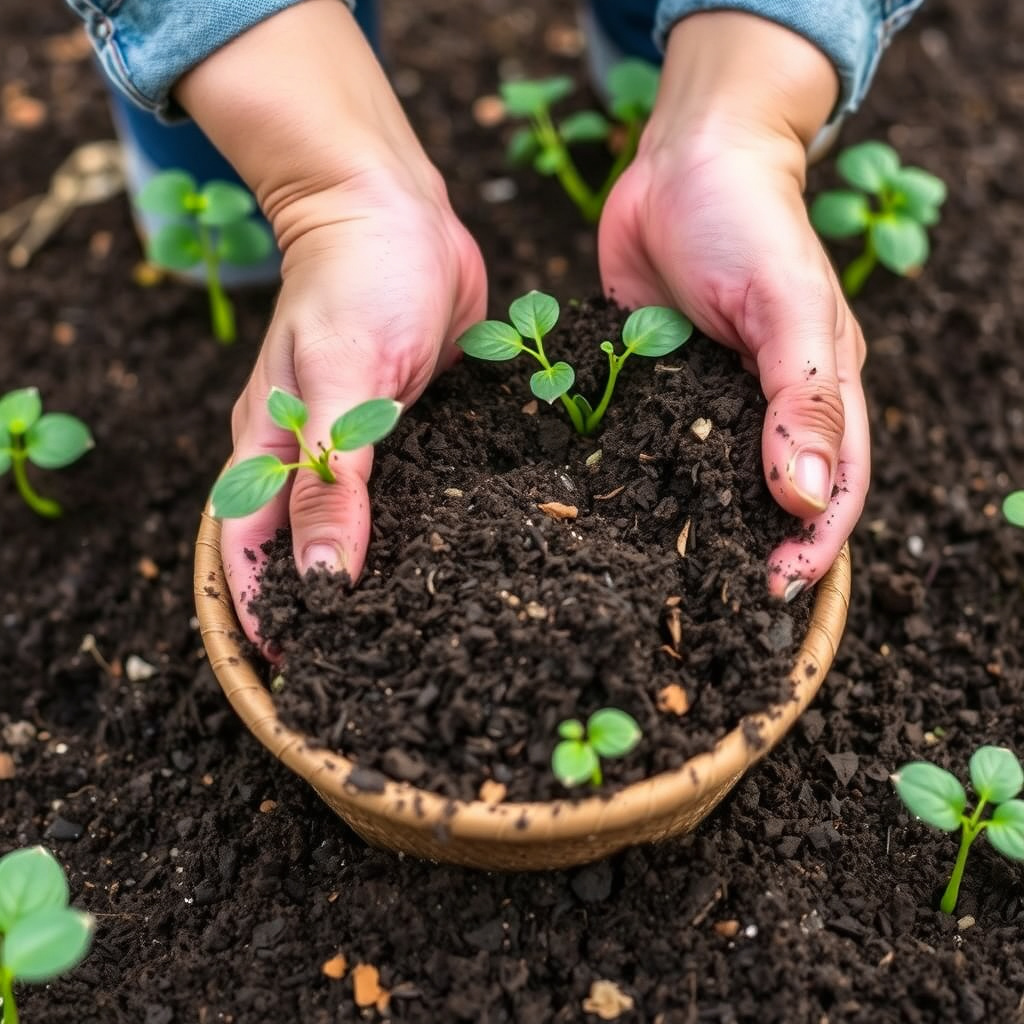
Start by clearing weeds and debris. Loosen the soil to a depth of 8-12 inches using a garden fork or tiller. Mix in well-aged compost or organic fertilizer to enrich the soil with nutrients.
Avoid using synthetic chemicals in kitchen gardens to keep your food safe and soil biology healthy. Natural products like aged manure or seaweed meal provide slow-release nutrition.
Direct Seeding Versus Transplanting Seedlings
Some crops like carrots and beans grow best when sown directly into soil, while others such as tomatoes and peppers benefit from starting indoors as seedlings and transplanting outdoors after hardening off.
Direct seeding minimizes transplant shock but may take longer to produce, whereas transplanting speeds up growth and harvest times. Choose the method based on plant type, season, and your schedule.
Watering and Ongoing Maintenance for a Healthy Kitchen Garden
Effective Watering Techniques
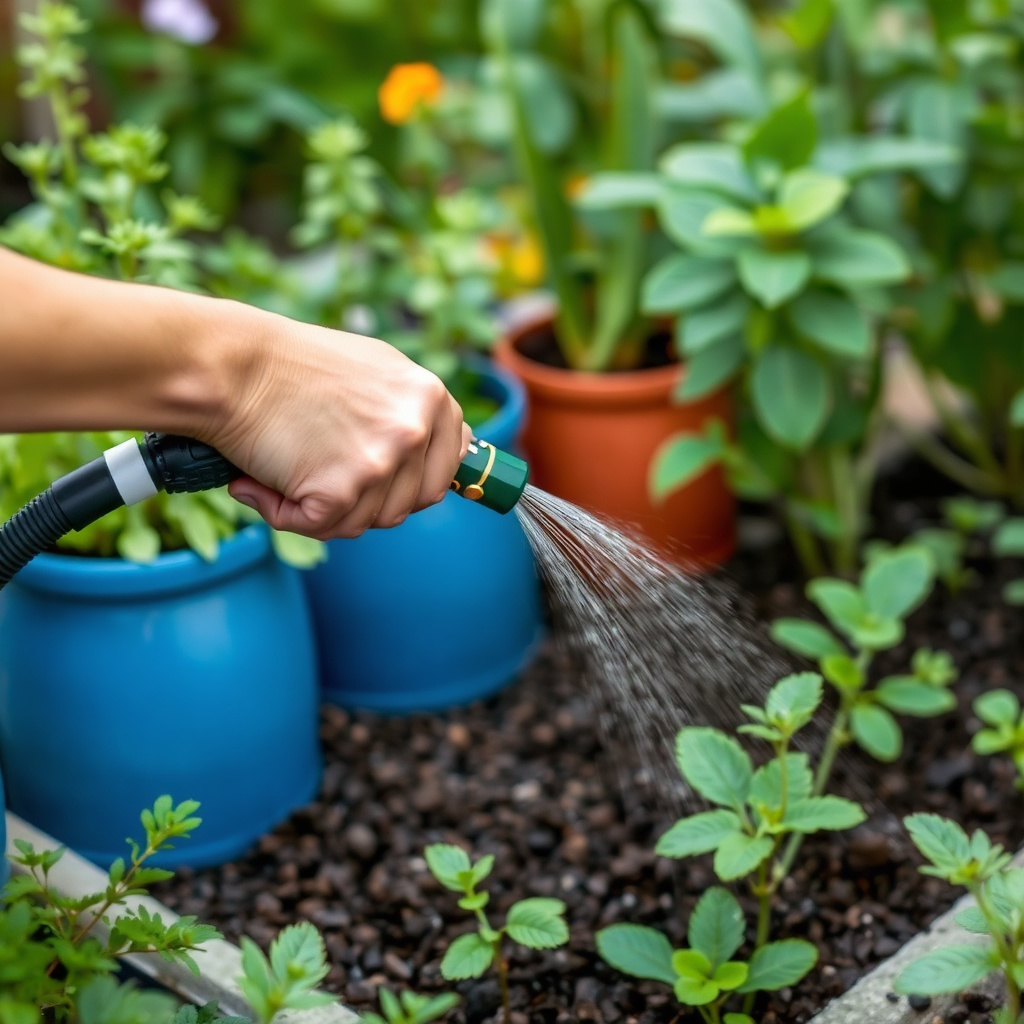
Consistent moisture is vital, especially for young plants and leafy vegetables. Water early morning to reduce evaporation and fungal risks. Aim to water deeply to encourage roots to grow downward rather than shallow watering that creates weak root systems.
Mulching with organic material retains moisture, suppresses weeds, and gradually enriches the soil as it decomposes. Be careful not to overwater, as soggy soil can lead to mold and root diseases.
- Water early morning
- Deep watering
- Use organic mulch
- Avoid overwatering
For more on this, see our related guide: How to Dispose of Old Kitchen Knives Safely.
Controlling Pests and Supporting Plant Health
Keep an eye out for common pests like aphids, caterpillars, and slugs by inspecting leaves regularly. Introduce beneficial insects such as ladybugs or apply organic insecticidal soap to control infestations.
Rotate crops and incorporate companion planting—for example, planting marigolds near tomatoes—to reduce pest problems and improve growth. Healthy plants with strong roots resist diseases better and produce higher yields.
Harvesting and Using Your Kitchen Garden Bounty
When and How to Harvest Different Crops
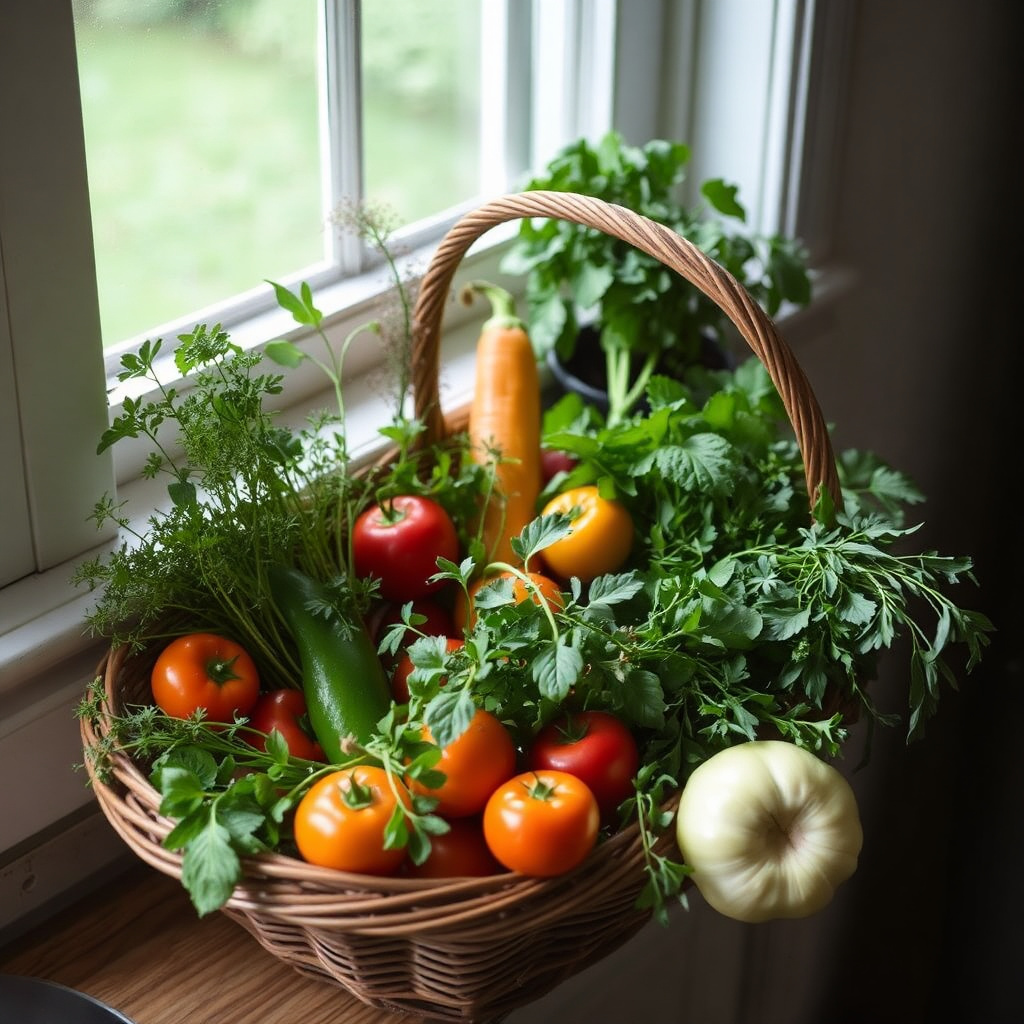
Harvest leafy greens like lettuce and spinach when leaves are tender and reach usable size, usually within a month. Pick herbs before they flower for best flavor. For fruits like tomatoes, wait until fully colored and slightly soft to the touch.
Use clean scissors or garden shears to prevent plant damage. Regular harvesting encourages more production, especially with herbs and greens.
For more guidance on sustainable kitchen gardening practices, visit the kitchen garden basics from the EPA. Kitchen garden basics from the EPA.
Storage and Preservation Tips
Store harvested produce properly to maintain freshness. Herbs can be wrapped in damp paper towels in the refrigerator or preserved by drying. Leafy greens keep longest when washed, dried, and sealed in airtight containers.
Use or freeze excess veggies promptly to avoid waste. Some root crops like carrots will last longer in cool, dark storage spaces.
- Refrigerate herbs in damp paper towels
- Dry and store herbs
- Freeze excess vegetables
- Store root crops in cool, dark place
Kitchen Garden Plant Category Comparison
This table compares popular categories for a kitchen garden based on growth duration, space needed, and maintenance level.
| Plant Category | Growth Duration | Space Required | Maintenance Level |
|---|---|---|---|
| Herbs (e.g., basil, parsley) | 2-3 months | Small containers or pots | Low |
| Leafy Greens (e.g., lettuce, spinach) | 30-60 days | Moderate bed or containers | Moderate |
| Root Vegetables (e.g., carrots, radishes) | 50-70 days | Deep loose soil bed | Moderate |
| Fruit Vegetables (e.g., tomatoes, peppers) | 70-90 days | Larger pots or garden beds | High |
| Beans and Peas | 50-60 days | Vertical support needed | Moderate |
Frequently Asked Questions
Can I plant a kitchen garden in small spaces like balconies?
Yes, many herbs and vegetables grow well in containers on balconies. Use pots with good drainage, select compact varieties, and ensure they receive enough sunlight daily.
How often should I water my kitchen garden?
Watering frequency depends on plant type and weather, but generally, early morning watering once or twice a week is effective. Check soil moisture regularly to avoid overwatering.
What are the easiest vegetables for beginners to grow at home?
Lettuce, radishes, green beans, and cherry tomatoes are beginner-friendly due to their fast growth and low maintenance requirements.
Is it necessary to use fertilizers in a kitchen garden?
Natural fertilizers like compost improve soil fertility and support healthy plants, but synthetic fertilizers can be avoided by enriching soil beforehand and using organic methods.
How can I prevent pests without using chemicals?
Encourage beneficial insects, use companion planting, hand-pick pests, and apply organic solutions like insecticidal soap to safely control common garden pests.
Key Takeaways
- Choose a sunny, accessible location for your kitchen garden
- Select plants suited to your climate and growing space
- Prepare soil with organic matter for healthy roots
- Maintain consistent watering and monitor for pests
Conclusion
Planting a kitchen garden involves thoughtful decisions about location, soil, and selecting plants that thrive in your environment. By focusing on sun exposure and soil quality first, you lay the groundwork for bountiful growth. Choosing plants that suit your local climate and your cooking preferences ensures your garden stays both productive and enjoyable.
For beginners aiming to grow vegetables at home, starting with herbs like basil and parsley or quick-growing leafy greens simplifies the maintenance process. For those with more space, incorporating root vegetables and fruiting plants like tomatoes can diversify your harvest. Container gardening is perfect for compact spaces and allows flexibility in design and plant selection.
Once your kitchen garden is established, consistent watering, natural pest control, and regular harvesting help maintain plant health and productivity. With some care and patience, you’ll enjoy fresh produce at your fingertips and the satisfaction of growing your own food. Begin your garden this season and watch it transform your cooking routine.