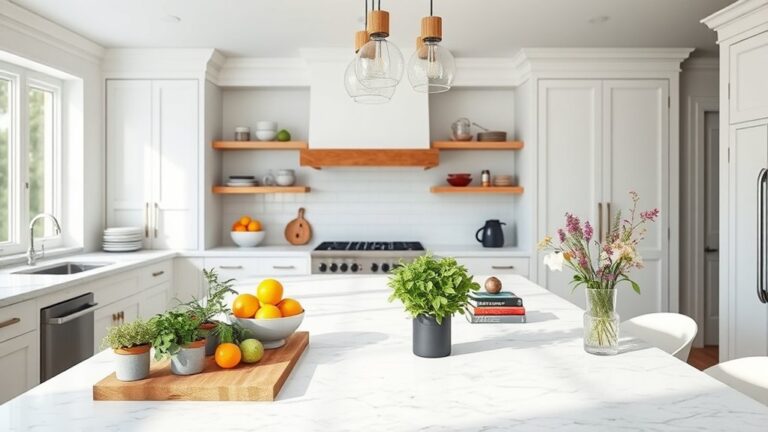
How to Pick Kitchen Cabinet Hardware for Style and Functionality
How to pick kitchen cabinet hardware hinges on balancing style, function, and size to complement your cabinets and kitchen environment. Choosing the right knobs and pulls improves usability while boosting your kitchen's aesthetic appeal.
Cabinet hardware acts as both a functional necessity and a design statement in the kitchen. With countless options in materials, finishes, and shapes, selecting pieces that harmonize with your cabinetry and kitchen décor is key to creating a cohesive look that suits your everyday needs.
This article covers essential factors in picking kitchen cabinet hardware including types of hardware, styles, material choices, installation tips, finishing touches, and budget considerations. Whether updating an existing kitchen or outfitting a new one, you'll find clear guidance to make informed decisions.
Types of Kitchen Cabinet Hardware
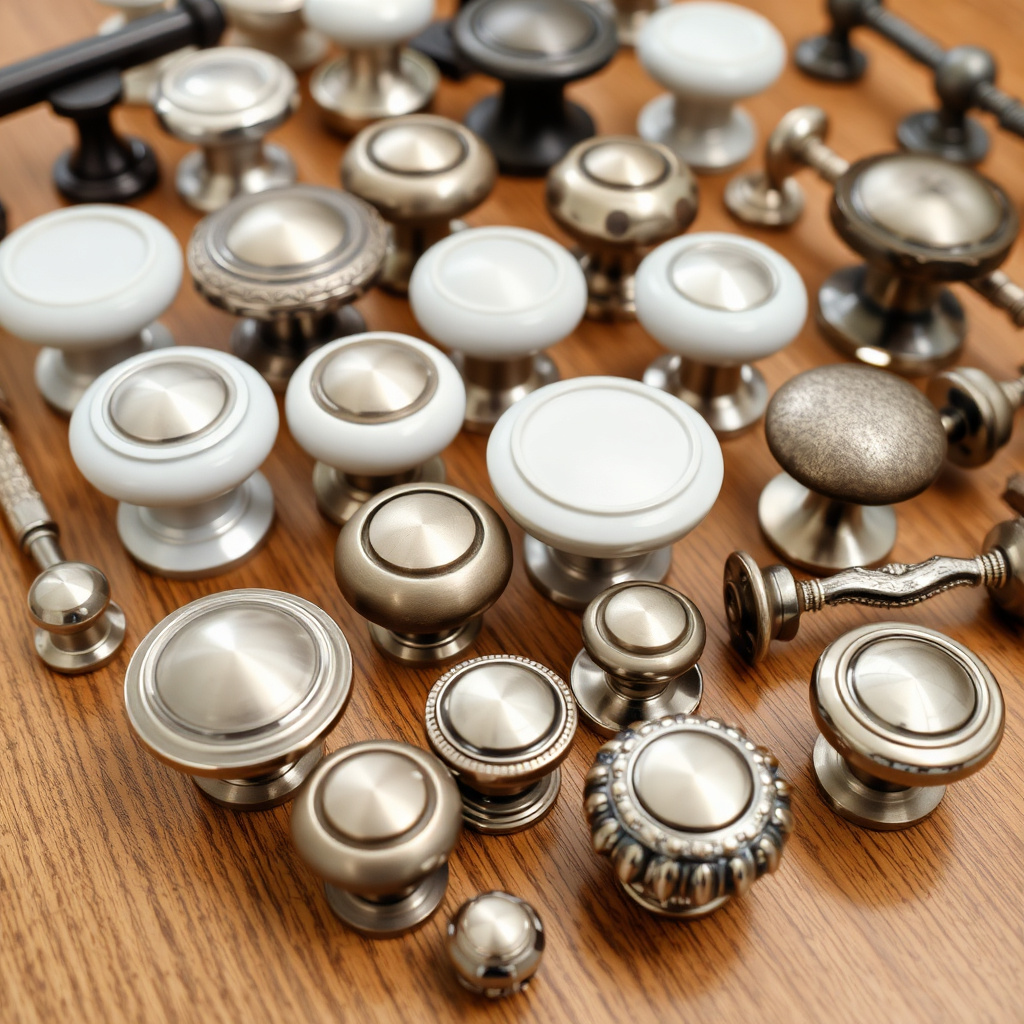
Knobs vs. Pulls: What’s Right for Your Kitchen?
Knobs are small fixtures that attach with a single screw, ideal for smaller cabinet doors or drawers. They offer a simpler look and are easy to grip, making them a common choice for minimalistic or traditional kitchens.
Pulls, on the other hand, span wider and attach with two screws. They provide more surface area to grip, often preferred for larger drawers or heavy cabinet doors, blending well with contemporary and transitional kitchen styles.
- Knobs: single mounting point, compact design
- Pulls: dual mounting points, larger grip area
Specialty Hardware Types
Beyond standard knobs and pulls, options like edge pulls, arch pulls, and cup pulls offer unique looks and ergonomic advantages. Edge pulls install discreetly on cabinet edges, ideal for sleek, handleless kitchen designs.
Cup pulls provide a vintage or rustic feel with a semi-enclosed shape, while arch pulls offer a gently curved grip that fits comfortably in the hand, adding a soft design element.
- Edge pulls: minimalist and modern
- Cup pulls: traditional and rustic
- Arch pulls: ergonomic and stylish
Styles and Finishes That Match Your Kitchen
Matching Hardware to Kitchen Design Themes
Your kitchen’s overall style should guide the selection of cabinet hardware. Modern kitchens benefit from sleek, simple shapes in polished chrome or matte black finishes, while classic kitchens pair well with ornate designs in bronze or brass.
Farmhouse or rustic kitchens often use weathered finishes and cup pulls to support their cozy, vintage look. Always consider how hardware fits visually with cabinetry, countertops, and appliances.
- Modern: minimalist, chrome, black
- Classic: detailed, brass, bronze
- Rustic: weathered metals, cup pulls
Popular Finish Options Explained
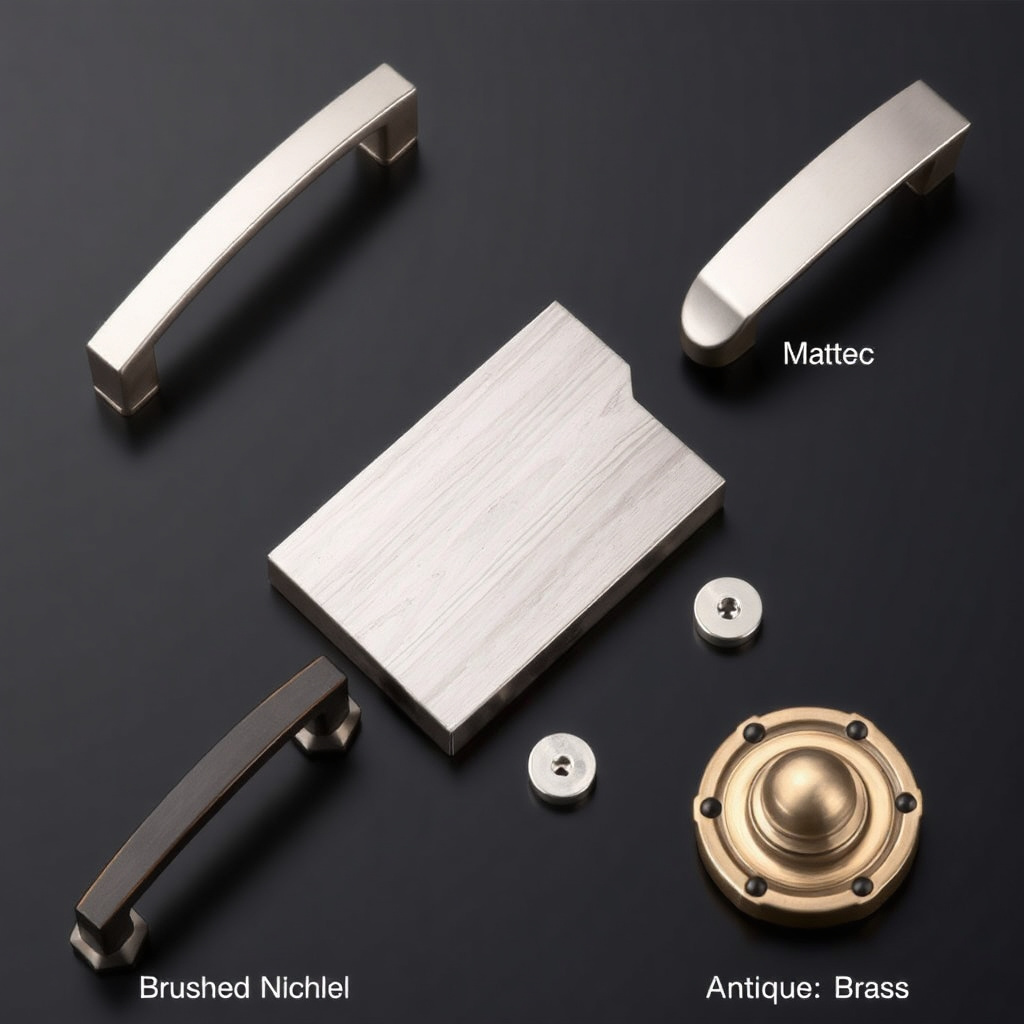
Finishes impact durability and style. Brushed nickel is durable and hides fingerprints, making it practical for busy kitchens. Polished chrome adds shine but needs frequent cleaning.
Matte black offers dramatic contrast and modernity, while antique brass signals warmth and timeless character. Choose a finish that both matches your aesthetic and suits cleaning habits.
- Brushed nickel: low maintenance, versatile
- Polished chrome: bright, shows smudges
- Matte black: modern, bold
- Antique brass: warm, vintage
Material Choices and Durability
Metal Hardware Materials
Common metals like stainless steel, brass, and zinc alloy deliver strength and long-lasting wear. Stainless steel resists corrosion and is a hygienic choice, ideal for kitchens exposed to moisture and heat.
Brass ages gracefully with a natural patina, offering character over time. Zinc alloy is cost-effective and versatile but may lack the same longevity as stainless steel or brass.
- Stainless steel: corrosion-resistant, hygienic
- Brass: durable, develops patina
- Zinc alloy: affordable, lighter wear
For more on this, see our related guide: How Tall Is a Kitchen Island: Best Guide 2027.
Alternative Materials: Ceramic and Glass
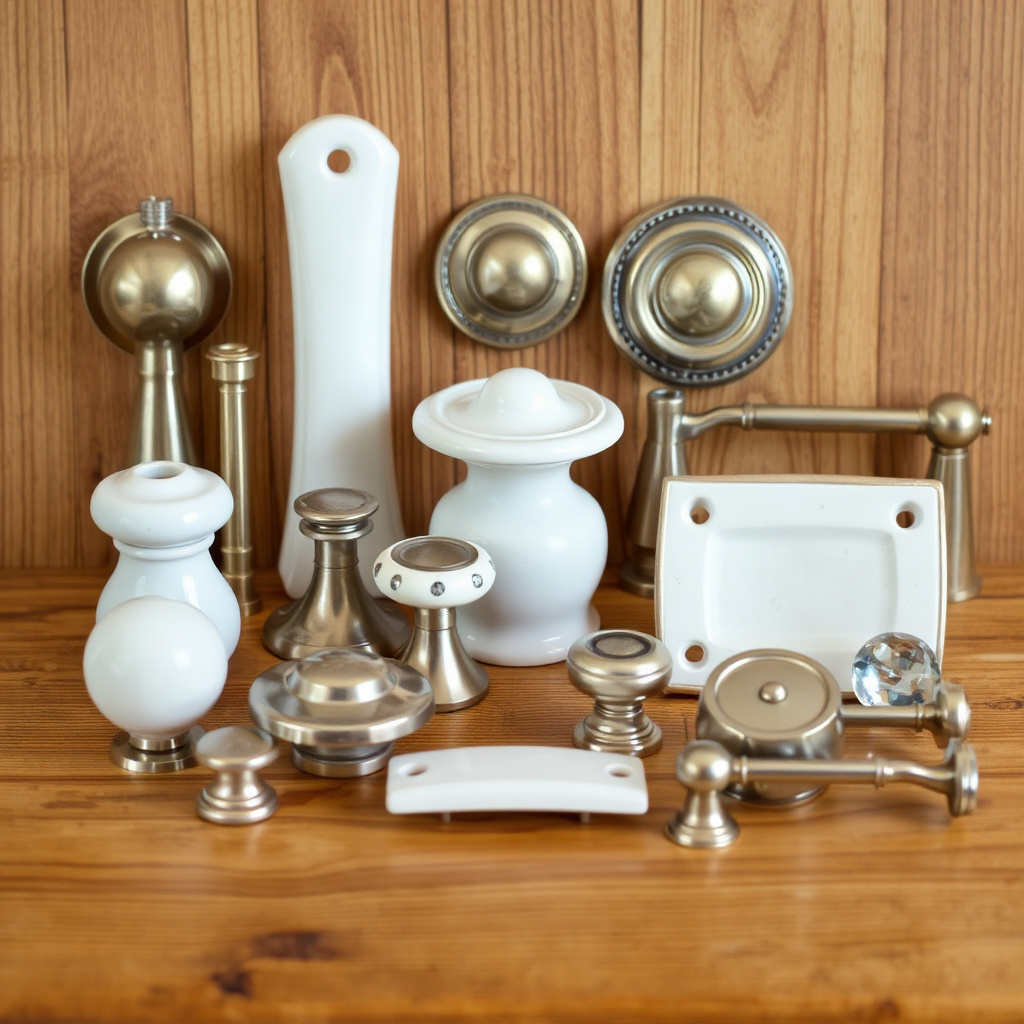
Ceramic knobs provide decorative possibilities with painted designs or textures, suitable for accenting cottage or vintage kitchens. However, they are more fragile than metal counterparts.
Glass hardware adds elegance and sparkle, often used in upscale or traditional designs. They require careful handling to prevent chips and cracks but create a distinctive visual effect.
- Ceramic: decorative but fragile
- Glass: elegant, requires care
Size and Placement Considerations
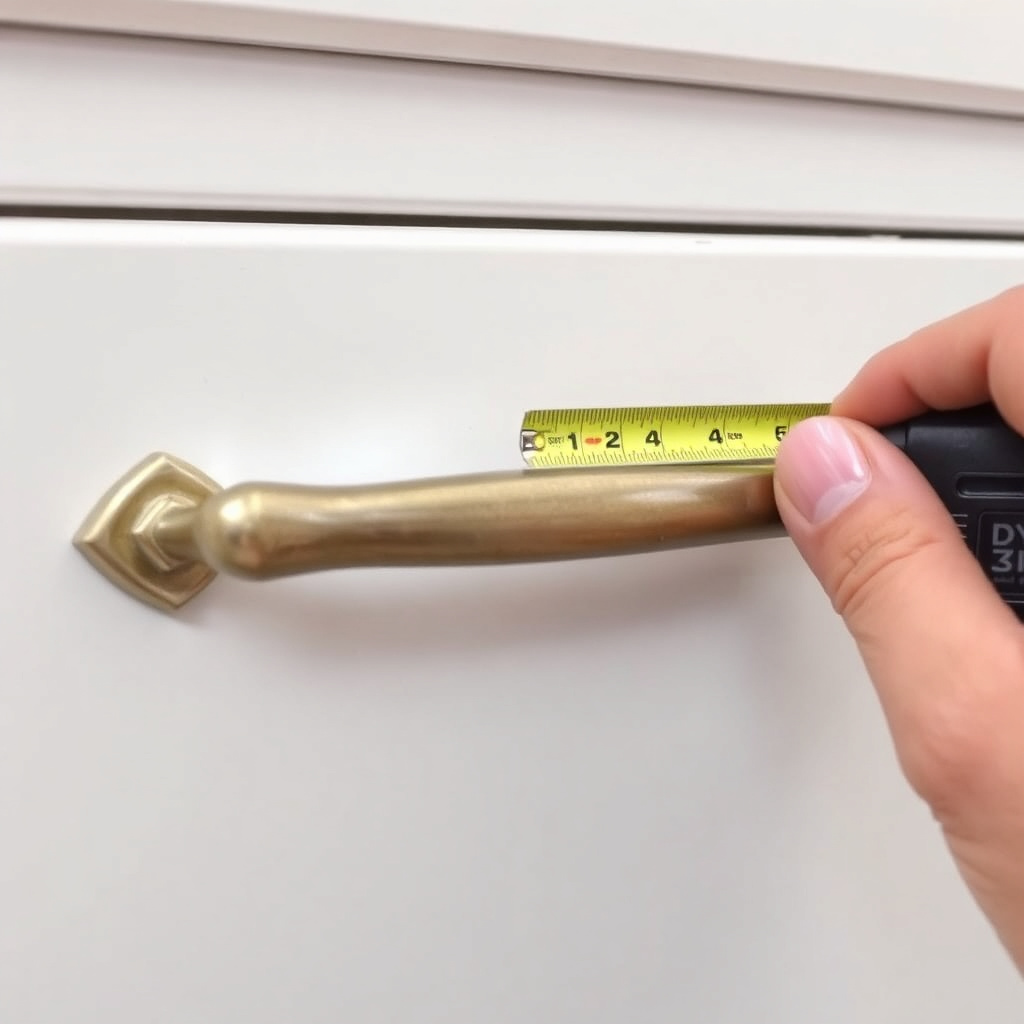
Choosing the Right Size Hardware
Hardware size should relate proportionally to cabinet door or drawer size. Large drawers need bigger pulls for ease of use, while smaller cabinets suit compact knobs or pulls to avoid overwhelming the design.
Spacing also depends on hole pattern—the distance between screw mounting holes often defines available pull sizes. Confirm measurements to ensure proper fit and installation.
- Match hardware size to cabinet dimensions
- Check hole-to-hole spacing carefully
Optimal Placement for Function and Style
Common placement for knobs is in the upper corner of cabinet doors and center of drawers. Pulls typically install horizontally on drawers and vertically on cabinet doors for comfortable grabbing.
Consistent placement across cabinets maintains visual order. Test hardware in expected spots before final installation to check ergonomics and appearance.
- Knobs: upper corners, drawer centers
- Pulls: horizontal on drawers, vertical on doors
- Maintain uniform placement throughout
Installation Tips and Tools Needed
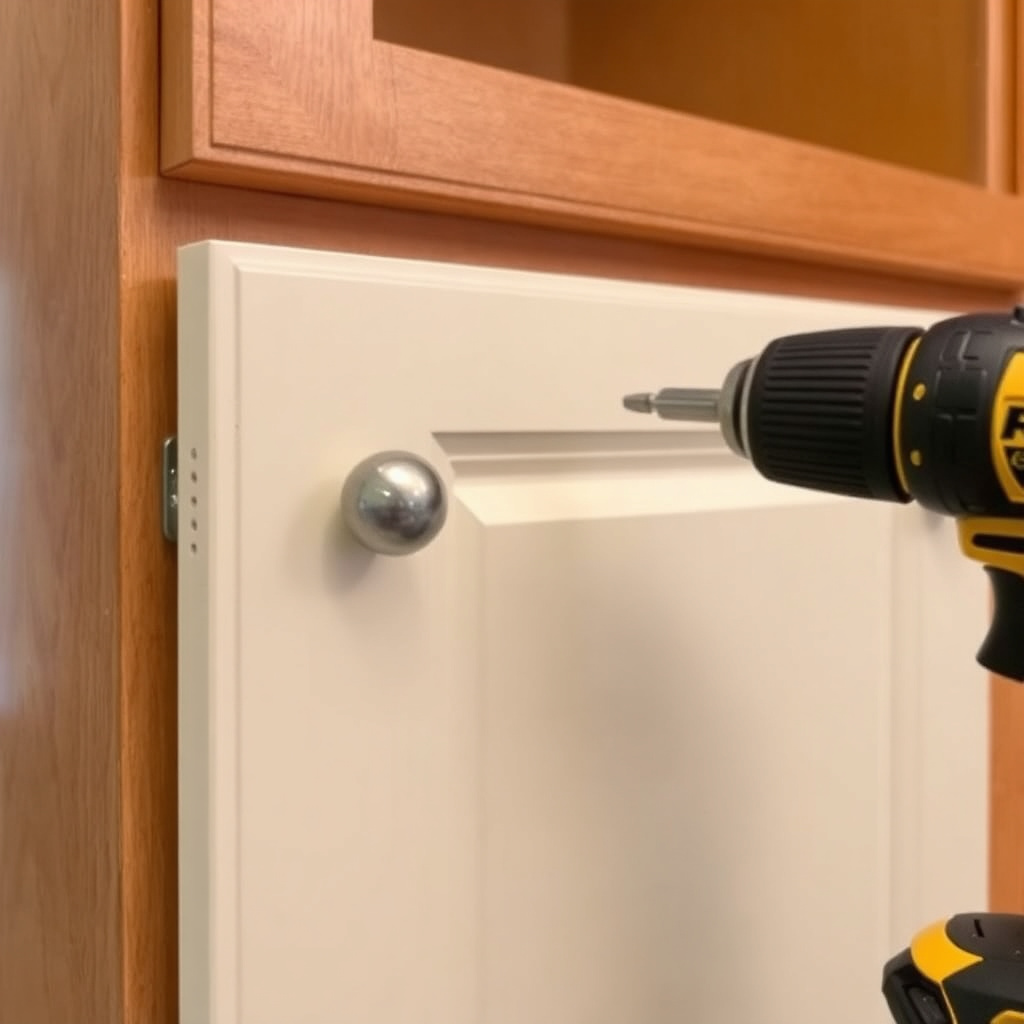
Preparing for Installation
Before installing new cabinet hardware, measure and mark hole locations precisely to avoid crooked placement. Use a template or jig to standardize spacing across all doors and drawers.
Remove old hardware carefully without damaging cabinet surfaces. Clean the mounting area and inspect for any needed repairs before proceeding.
- Use a drilling template for consistent holes
- Measure twice, drill once to avoid errors
- Remove existing hardware gently
For more on this, see our related guide: How to Fit a Kitchen in 3 Simple Steps.
Tools and Techniques for a Smooth Install
Basic tools include a drill with appropriate bits, screwdriver, measuring tape, pencil, and a level to verify straight installation. Pilot holes help prevent wood splitting.
Tighten screws firmly but avoid over-tightening which can strip holes or crack hardware. Check alignment after installing each piece to catch mistakes early.
- Drill with pilot holes
- Screwdriver for tightening
- Level for straight placement
Budgeting and Where to Buy Hardware
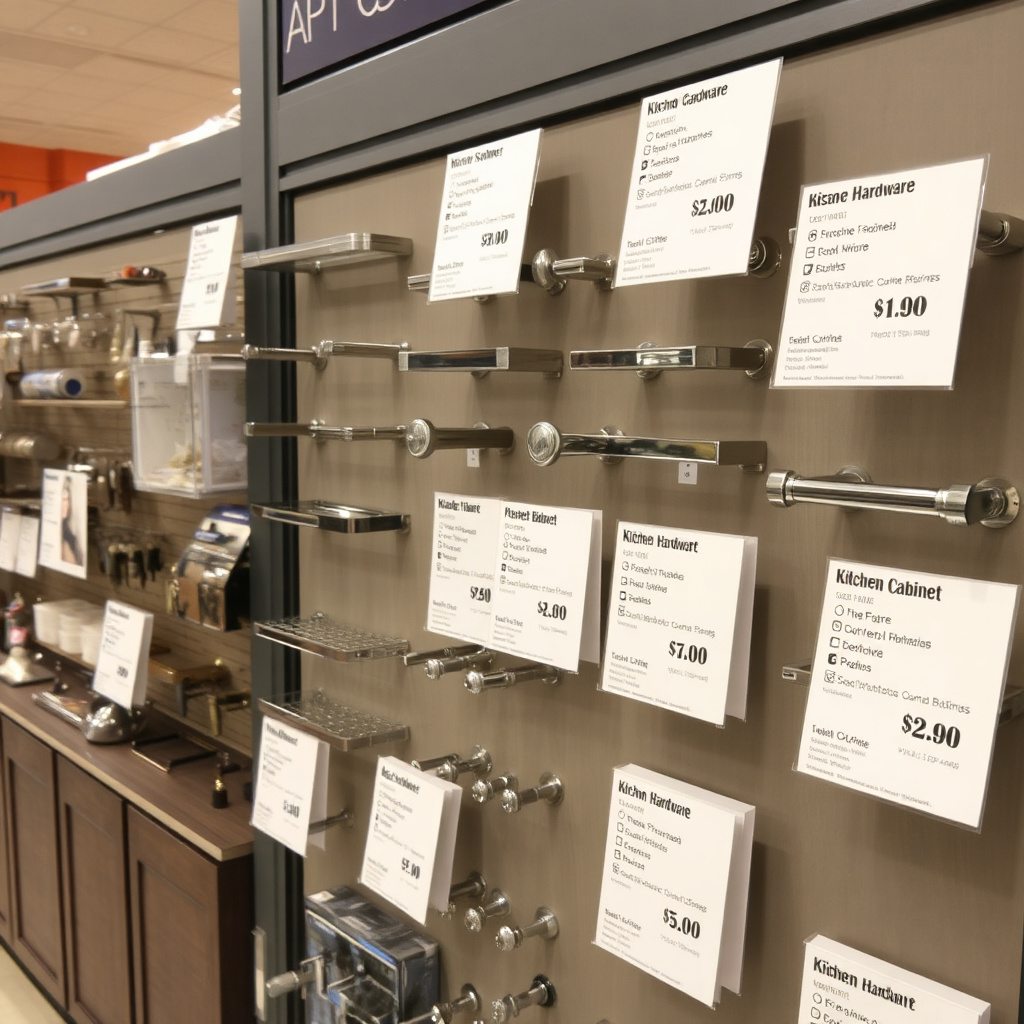
Planning Your Hardware Budget
Prices for kitchen cabinet hardware vary widely, from budget-friendly zinc pulls under $5 each to designer brass knobs costing $20 or more. Calculate total costs by counting all cabinet doors and drawers.
Factor in quality and finish durability, as more expensive hardware can offer better longevity and wear resistance, potentially saving money in the long run.
- Estimate pieces needed before shopping
- Balance cost and durability
For a broader overview, you can learn more about kitchen cabinet hardware on Wikipedia. kitchen cabinet hardware on Wikipedia.
Recommended Sources for Quality Hardware
Hardware can be purchased at home improvement stores, specialty kitchen retailers, or online marketplaces offering broad selections and customer reviews.
Exploring local hardware stores helps see finishes and test grips firsthand. Online stores expand style choices and may offer bulk discounts or custom options.
- Home improvement and specialty stores
- Online retailers with reviews
- Local showrooms for hands-on selection
Kitchen Cabinet Hardware Category Comparison
Here is a comparison of different hardware categories based on material, style, durability, and typical price range to help you decide.
| Category | Material | Style Examples | Durability | Price Range (per piece) |
|---|---|---|---|---|
| Standard Knobs | Zinc alloy, brass, ceramic | Round, square, decorative | Moderate to high | $3–$15 |
| Standard Pulls | Stainless steel, brass, zinc alloy | Bar pulls, arch pulls | High | $5–$20 |
| Cup Pulls | Brass, bronze | Vintage, rustic | High with patina | $8–$18 |
| Edge Pulls | Stainless steel, aluminum | Minimalist, modern | High | $10–$25 |
| Glass/Ceramic Knobs | Glass, ceramic | Elegant, decorative | Fragile | $6–$20 |
Frequently Asked Questions
How do I measure for kitchen cabinet hardware?
Measure the hole center-to-center distance on your cabinet or drawer front. For knobs, only one hole is needed, so measure the diameter. Use a ruler or tape measure for accurate spacing before buying new hardware.
Can I mix different hardware styles in one kitchen?
While mixing styles is possible, maintaining a cohesive look is recommended. Choosing complementary finishes or similar shapes helps create harmony and prevents a disjointed appearance.
What finish is easiest to keep clean on cabinet hardware?
Brushed nickel hides fingerprints and smudges well, making it one of the easiest finishes to maintain, especially in busy kitchens with frequent use.
How often should kitchen cabinet hardware be replaced?
Hardware can last many years with proper care, but consider replacement when finishes wear, surfaces chip, or style updates are desired to refresh kitchen appearance.
Is installing cabinet hardware a DIY task?
Yes, installing cabinet hardware is typically straightforward using basic tools, especially if the cabinet already has pre-drilled holes, making it a popular DIY upgrade.
Key Takeaways
- Choose between knobs and pulls based on cabinet size and style.
- Match hardware style and finish to your kitchen’s design theme.
- Consider material durability and ease of cleaning when selecting hardware.
- Accurate measurement and consistent placement are key to a polished look.
Conclusion
Choosing how to pick kitchen cabinet hardware involves evaluating your kitchen’s style, functional needs, and budget. By understanding different hardware types like knobs and pulls, their materials, finishes, and sizes, you can confidently select options that both complement your décor and provide practical ease of use. Taking time to measure precisely and plan hardware placement results in a uniform, professional appearance that enhances the cabinet’s overall appeal.
If you prefer clean, modern lines, edge pulls in matte black or brushed nickel offer an understated yet stylish option. Traditional or farmhouse kitchens often suit warm brass or antique bronze cup pulls that add character. For everyday kitchens with heavy use, stainless steel or brass materials provide durability and longevity. Remember, the best kitchen cabinet handles align with your style choice and meet your durability requirements, providing long-lasting satisfaction.
The next step is measuring your cabinets accurately and exploring options at local stores or online. Order samples or small quantities to test look and feel before replacing all hardware. With careful selection based on the guidance here, you’ll upgrade your kitchen’s functionality and style with hardware that looks great and stands up to everyday use.