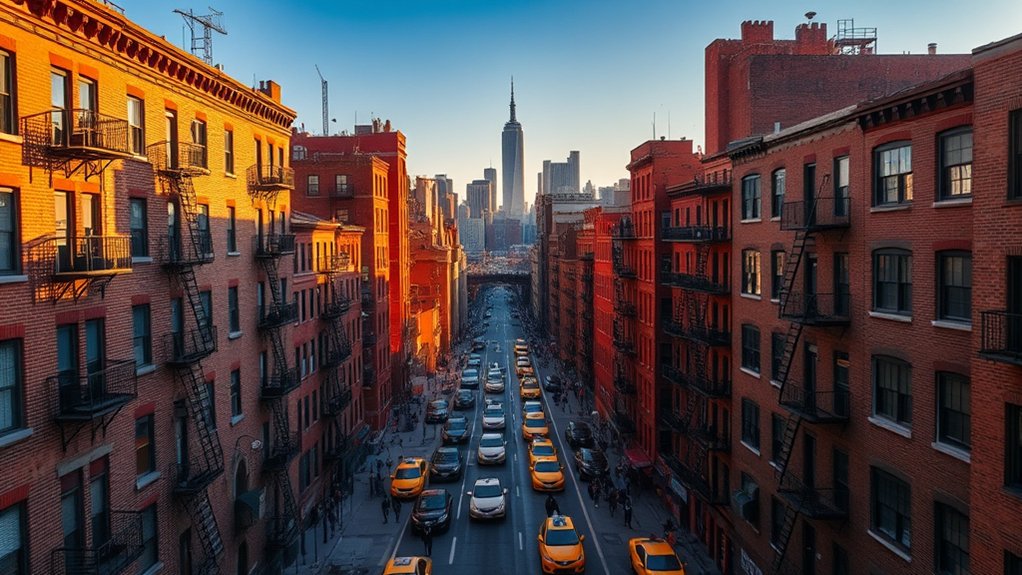
How to Find Where Hell’s Kitchen Is Located
Finding the best things to do in Hell’s Kitchen can feel overwhelming, especially if you’re visiting Manhattan for the first time. You’re not alone—many people struggle to know where the neighborhood begins, how to get there, and which spots are worth exploring.
You can find Hell’s Kitchen on Manhattan’s West Side, stretching from 34th to 59th Streets, between 8th Avenue and the Hudson River. Just take the A, C, E, or 1 subway trains to 50th Street or Times Square, then walk west to enter the neighborhood.
It’s a lively area known for vibrant street art, local markets, and exciting dining spots. Keep going to uncover what makes this neighborhood truly unique.
Key Takeaways
- Hell’s Kitchen is located on Manhattan’s West Side, from 34th Street to 59th Street.
- It is bordered by 8th Avenue on the east and the Hudson River on the west.
- The neighborhood lies near the Theater District and is easily accessible by subway and bus.
- Take the A, C, E, or 1 subway trains to 50th Street or Times Square, then walk west.
- Hell’s Kitchen is known for its vibrant street art, local markets, and proximity to Hudson River Park.
Where Is Hell’s Kitchen? Boundaries and Map

Although Hell’s Kitchen is often associated with its gritty past, you’ll find it’s a vibrant neighborhood on Manhattan’s West Side. When you look at a map, Hell’s Kitchen stretches roughly from 34th Street to 59th Street, between 8th Avenue and the Hudson River.
As you traverse, you’ll notice the area’s dynamic street art brightening the walls, giving it a creative edge that contrasts its industrial roots. Local markets add to the neighborhood’s buzz; you can stop by to grab fresh produce, artisanal goods, or unique finds from vendors who bring a community feel to the streets.
Moving through Hell’s Kitchen is straightforward once you know its boundaries, and the blend of historic charm with modern culture makes it a must-visit. So, whether you’re walking the avenues or wandering side streets, you’ll discover a lively mix of art, food, and urban life packed into this compact, energetic part of Manhattan.
How Did Hell’s Kitchen Get Its Name?
Whenever you hear the name Hell’s Kitchen, you might wonder how such a vivid, intense name came about. The neighborhood earned its fiery reputation in the late 19th century, known for its rough streets and tough residents.
Over time, its connection to culinary history grew strong, especially with famous chefs spotlighting the area’s gritty charm. The name captures both the neighborhood’s challenging past and its vibrant food scene today.
Here’s a quick look at the emotions the name evokes:
| Intensity | Grit | Passion |
|---|---|---|
| Fierce | Tough | Dedication |
| Raw | Bold | Creativity |
Now, when you think of Hell’s Kitchen, you don’t just picture a rough neighborhood. You see a place where culinary legends rise, fueled by passion and resilience.
This unique blend of history and culture gave Hell’s Kitchen its unforgettable name.
What Makes Hell’s Kitchen So Special?

When you investigate Hell’s Kitchen, you’ll quickly notice its unique blend of vibrant culture, history, and culinary excellence that sets it apart from other New York neighborhoods.
Hell’s Kitchen captivates with its rich culture, deep history, and exceptional culinary scene unlike any other neighborhood.
You’ll find a community proud of its hidden history, where every street corner whispers stories of past struggles and triumphs. Local legends add to the neighborhood’s charm, from tales of colorful characters to the early days of theater and nightlife that shaped its identity.
As you examine, you’ll experience a dynamic mix of old and new. Classic pubs coexist with trendy eateries, reflecting Hell’s Kitchen’s evolving spirit.
This neighborhood’s special appeal lies in its authenticity and resilience, inviting you to uncover layers of history while enjoying its lively present.
Hell’s Kitchen isn’t just a location; it’s a living narrative that you become part of the moment you step inside.
How Has Hell’s Kitchen Evolved Over Time?
Hell’s Kitchen has changed quite a bit over the years. Once known as a rough, working-class neighborhood, it has gradually grown into a lively cultural hub. As new businesses and residents moved in, the area’s character began to shift. Let’s take a closer look at how these changes shaped the Hell’s Kitchen you see today.
Historical Neighborhood Changes
Although Hell’s Kitchen started as a rough, working-class neighborhood in the 19th century, it has transformed dramatically over time. You’ll notice that urban renewal projects played a key role in reshaping the area, replacing old tenements with modern buildings and improving infrastructure.
These efforts aimed to address overcrowding and poor living conditions, changing the neighborhood’s physical landscape. You’ll also see how demographic shifts have influenced Hell’s Kitchen, as waves of immigrants and later new residents brought diverse cultures and lifestyles.
This constant flux and transition of people helped the neighborhood evolve while still holding onto some of its gritty character. Understanding these historical changes helps you appreciate Hell’s Kitchen’s unique identity in New York City today.
Cultural And Economic Shifts
As Hell’s Kitchen shed much of its gritty past, it welcomed new cultural and economic forces that reshaped the neighborhood’s character. You’ll notice how cultural influences from diverse communities infused the area with vibrant art, dining, and entertainment scenes.
These changes didn’t happen by chance; economic development played a pivotal role, attracting businesses and residents eager to invest in the neighborhood’s potential. You’ll find that old factories and warehouses transformed into trendy lofts and creative spaces, reflecting this economic revitalization.
As a result, Hell’s Kitchen evolved from a rough, working-class area into a dynamic urban hub. When you delve into the neighborhood today, you’ll experience a blend of its rich history and the fresh energy driven by these cultural and economic shifts.
How To Get To Hell’s Kitchen
When planning your trip to Hell’s Kitchen, choosing the right transportation method can make all the difference. If you’re coming from Manhattan, hopping on the subway is your best bet. Take the A, C, E, or 1 trains to 50th Street or Times Square, then walk west.
This route lets you delve straight into the neighborhood’s vibrant street art scene and uncover its hidden gems. If you prefer buses, several MTA routes run through Hell’s Kitchen, giving you a scenic view of the area’s urban vibe.
Driving is an option, but it can be tricky due to traffic and limited parking. Consider ride-sharing services for convenience.
Walking remains one of the most rewarding ways to reach and investigate Hell’s Kitchen. It allows you to soak up its unique character while spotting murals and tucked-away spots you won’t find on a map.
What Are the Key Landmarks and Attractions?
Hell’s Kitchen is packed with popular attractions and memorable landmarks that give the neighborhood its distinctive character. While you’re exploring, be sure to check out its must-visit dining spots, too.
Popular Tourist Attractions
Several iconic landmarks make Hell’s Kitchen a must-visit neighborhood in New York City. When you delve into this vibrant area, you’ll be captivated by its dynamic blend of culture and entertainment.
Here are four popular tourist attractions you shouldn’t miss:
- The lively street festivals showcasing local art and music, creating an engaging atmosphere.
- The famous Hell’s Kitchen Flea Market, where you can find unique handmade crafts and vintage items.
- The Theater District nearby, offering world-class Broadway shows just a short walk away.
- The Hudson River Park, perfect for relaxing strolls with stunning waterfront views.
These attractions highlight Hell’s Kitchen’s unique charm and energy, making your visit unforgettable as you immerse yourself in its local art scene and festive spirit.
Iconic Neighborhood Landmarks
Exploring Hell’s Kitchen means encountering landmarks that define its character and history. You’ll find artistic murals brightening building walls and telling stories of the neighborhood’s vibrant culture.
Hidden courtyards offer quiet escapes amid the urban buzz, perfect for a moment of reflection. Key landmarks range from theaters to historic parks, each adding to Hell’s Kitchen’s unique charm.
| Landmark | Description | Location |
|---|---|---|
| DeWitt Clinton Park | Green space with playgrounds | 52nd St & 11th Ave |
| Theater Row | Collection of Off-Broadway theaters | 42nd St between 9th & 10th Ave |
| Artistic Murals | Colorful street art displays | Various locations |
| Hidden Courtyards | Secluded gardens and spaces | Scattered alleys |
| Hell’s Kitchen Flea Market | Vintage & handmade goods | 39th St & 9th Ave |
Must-Visit Dining Spots
Although Hell’s Kitchen is famed for its landmarks, its dining scene truly steals the spotlight. You’ll uncover an extraordinary blend of culinary traditions that reflect the neighborhood’s vibrant spirit.
As you delve into, the colorful street art around the eateries adds an unforgettable backdrop to your meals. Here are four must-visit dining spots you shouldn’t miss:
- 5 Napkin Burger – Plunge into juicy, gourmet burgers with a cozy vibe.
- Pure Thai Cookhouse – Savor authentic, spicy Thai dishes that pack a punch.
- Totto Ramen – Warm up with rich, flavorful ramen bowls.
- Hell’s Kitchen Flea Market Food Stalls – Sample diverse global bites surrounded by lively street art.
Each spot showcases Hell’s Kitchen’s culinary heart, making your visit truly memorable.
Best Restaurants and Bars in Hell’s Kitchen
Wondering where to grab a bite or enjoy a drink in Hell’s Kitchen? This neighborhood, known for its vibrant art scene and proximity to the fashion district, offers some of the best restaurants and bars you’ll find in the city.
Whether you’re craving innovative cuisine or a cozy spot to sip cocktails, Hell’s Kitchen has you covered. Here’s a quick guide to some standout places:
| Name | Type | Vibe |
|---|---|---|
| Tavola | Italian | Rustic and lively |
| 5 Napkin Burger | American | Casual and fun |
| The Pony Bar | Bar | Sports and social |
| Gotham West Market | Food hall | Eclectic and vibrant |
| Rudys Bar & Grill | Bar & Grill | Laid-back and friendly |
Exploring these spots will immerse you in Hell’s Kitchen’s dynamic culture, perfectly blending its artistic flair with the energy of the fashion district.
When Should You Visit Hell’s Kitchen?
After checking out some of the best places to eat and drink in Hell’s Kitchen, you might be wondering when the ideal time to visit is. To truly soak in the neighborhood’s vibrant vibe, consider these moments:
- Spring and fall bring pleasant weather, perfect for wandering the streets and admiring the colorful street art.
- Weekdays are quieter, letting you explore art galleries without crowds and enjoy a more relaxed pace.
- Early evenings offer a magical glow, ideal for strolling and catching outdoor murals as the sun sets.
- Weekends buzz with energy, great if you want to experience the neighborhood’s lively atmosphere and pop-up art events.
Timing your visit around these moments can help you experience Hell’s Kitchen at its best, whether you’re exploring its art galleries or admiring the street art that colors its walls.
What Local Events and Nightlife Define Hell’s Kitchen?
When you step into Hell’s Kitchen after dark, you’ll find a dynamic mix of local events and nightlife that truly define the neighborhood’s character. The area bursts with energy from street festivals that celebrate its diverse culture, drawing both locals and visitors.
These festivals often spotlight local art, transforming sidewalks and pop-up galleries into vibrant displays of creativity. You can catch live music, food vendors, and performances that keep the streets buzzing with excitement.
At night, Hell’s Kitchen’s bars and lounges come alive, offering everything from cozy cocktail spots to lively dance venues. Many places showcase local artists, blending the nightlife scene with the neighborhood’s artistic vibe.
Whether you’re strolling through a street festival or hopping between neighborhood bars, you’ll experience the authentic spirit that makes Hell’s Kitchen unique. This blend of local art and dynamic nightlife events makes the neighborhood a must-visit after sunset.
How To Explore Hell’s Kitchen Like a Local
The vibrant nightlife and lively street events are just the beginning of what Hell’s Kitchen offers. To truly delve into its unique charm like a local, you need to venture deeper.
Start by tasting the local cuisine. Skip the tourist traps and head to small, family-run eateries where authentic flavors shine. Next, explore hidden gems like quirky bookstores, art galleries, and tucked-away parks.
Here’s how to get started:
- Grab a bite at a lesser-known diner serving classic dishes with a modern twist.
- Wander the side streets for street art and murals that tell Hell’s Kitchen’s story.
- Visit independent theaters showcasing up-and-coming talent.
- Chat with shop owners and bartenders. They’re gold mines of neighborhood tips.
Frequently Asked Questions
What Is the Average Rent Cost in Hell’s Kitchen?
You’ll find the average rent cost in Hell’s Kitchen hovers around $3,000 per month for a one-bedroom apartment. The rental market there is competitive, reflecting its prime location and vibrant community.
If you’re concerned about housing affordability, you’ll need to budget carefully or consider smaller units or roommates. Keep an eye on market trends, as prices can shift quickly in this sought-after neighborhood.
Are There Good Schools in Hell’s Kitchen?
Yes, you’ll find good schools in Hell’s Kitchen, with local school rankings often reflecting solid performance. The neighborhood education programs here also boost learning opportunities beyond the classroom, helping students thrive.
If you’re moving in or have kids, it’s worth checking out these programs and the latest school ratings to make certain you pick the best fit. Hell’s Kitchen combines urban convenience with access to quality education.
Is Hell’s Kitchen a Family-Friendly Neighborhood?
Hell’s Kitchen is fairly family-friendly, with 30% of residents living in family households. You’ll find plenty of family amenities like parks, playgrounds, and good schools nearby.
While the neighborhood’s nightlife safety can be a concern late at night, it’s generally safe earlier in the evening for families. If you’re raising kids, the vibrant community and access to cultural spots make it a unique place to live, balancing city energy with family needs.
How Safe Is Hell’s Kitchen at Night?
Hell’s Kitchen at night is generally safe, but you should stay aware of nightlife safety since crime rates can vary block by block. The neighborhood has a lively bar and restaurant scene, attracting many visitors, which usually helps keep things secure.
However, like any busy area, petty crimes can happen, so you should stay in well-lit areas, avoid isolated spots, and keep your belongings close to enjoy your night worry-free.
What Public Transportation Options Serve Hell’s Kitchen?
Think of Hell’s Kitchen like a busy beehive, buzzing with activity and easy to navigate. You’ll find several local bus routes, like the M50, weaving through the neighborhood.
Plus, multiple subway stations serve the area, including 50th Street and 57th Street on the 1, 2, and 3 lines. These options make getting around quick and convenient, whether you’re commuting or just exploring the vibrant streets.
Conclusion
If you’re looking to explore Hell’s Kitchen, you’re stepping into a neighborhood brimming with history and vibrant culture. Did you know this area hosts over 200 restaurants, making it a foodie’s paradise?
Whether you’re drawn by its gritty past or its lively nightlife, Hell’s Kitchen offers something unique around every corner. So get ready to plunge in, enjoy the local flavor, and discover where Hell’s Kitchen is located in New York City firsthand.