What Is the Standard High for Kitchen Counters?
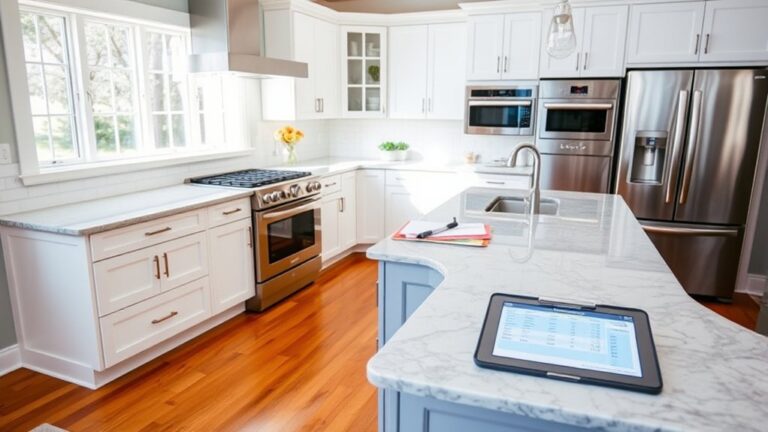
If your kitchen counter feels too high or too low, everyday tasks can quickly become uncomfortable. You’re not alone—many people struggle to find a setup that supports comfortable cooking, baking, and meal prep.
The standard height for kitchen counters is typically 36 inches, designed to fit most people comfortably for everyday tasks. You might find variations from 34 to 42 inches based on your height or specific activities like baking or cooking.
Adjusting the height can reduce strain on your back, wrists, and shoulders while improving workflow and safety. If you want to optimize your kitchen’s comfort and functionality, exploring counter heights tailored to your needs can make all the difference.
Key Takeaways
- The standard kitchen counter height is typically 36 inches from the floor for comfortable everyday use.
- Counter heights can vary between 34 and 42 inches based on user needs and specific kitchen tasks.
- Proper height reduces strain on the back, wrists, and shoulders, enhancing comfort during meal preparation.
- Measure from the floor to your wrist crease with a bent arm to determine your ideal personalized counter height.
- Counter height should align with kitchen zones and appliance dimensions for an ergonomic, functional design.
What Is the Standard Height for Kitchen Counters?
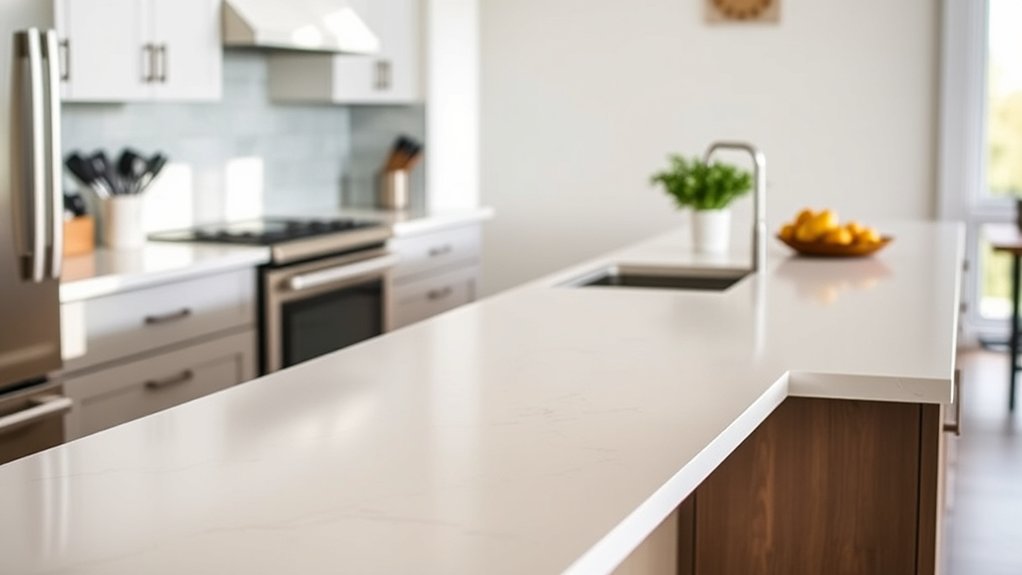
Although kitchen counters come in various styles and materials, their height typically follows a standard measurement to guarantee comfort and functionality. You’ll find that most kitchen counters are set around 36 inches high, which suits the average person for everyday tasks. This height helps you work comfortably without straining your back or arms, whether you’re chopping vegetables or placing decorative accents.
When selecting your counter’s material choices, keep in mind that thickness can affect the overall height slightly. For example, thicker stone slabs might raise the surface a bit, so you may need to adjust the cabinetry beneath.
Choosing materials like laminate, granite, or quartz also influences durability and maintenance but doesn’t change the standard height much. By sticking to the typical 36-inch measurement, you assure your kitchen remains functional and stylish, with your decorative accents perfectly displayed and easy to access.
Common Counter Heights for Prep, Cooking, and Baking Zones
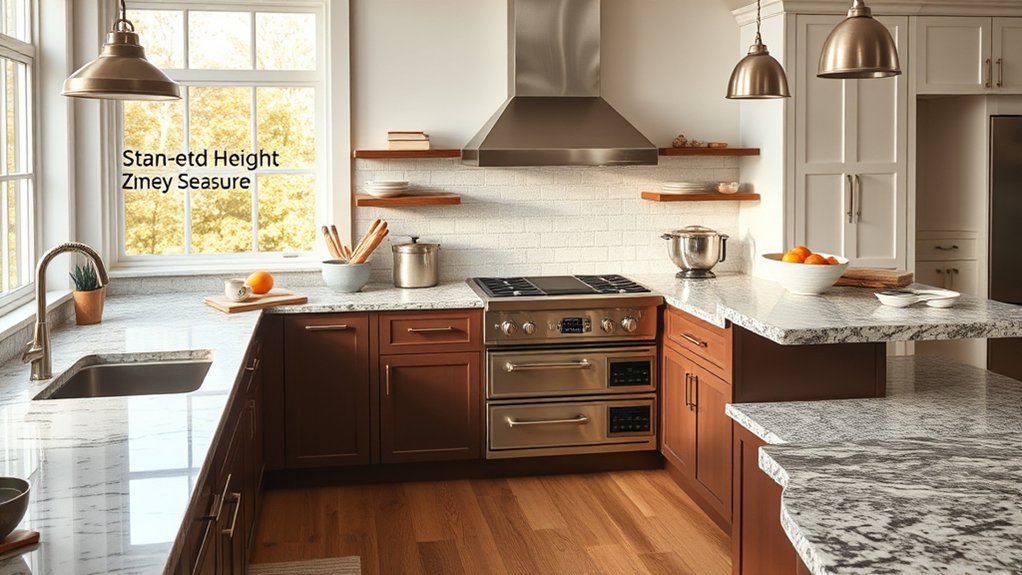
When you design your kitchen, consider varying counter heights to match different tasks in prep, cooking, and baking zones. For prep areas, a height around 36 inches suits most people, offering comfort while chopping or assembling ingredients.
Vary counter heights in your kitchen to enhance comfort across prep, cooking, and baking tasks.
Cooking zones often benefit from a slightly lower surface, around 34 to 36 inches, so you can comfortably stir pots and pans without straining. Baking zones, where precision and rolling dough are key, might work best with counters at 36 to 38 inches, giving you better leverage.
Choosing the right counter material also plays a role in functionality and style. Durable surfaces like quartz or granite handle heavy use, while decorative finishes such as polished marble add elegance to baking zones.
Don’t forget how these finishes can influence maintenance and feel under your hands. By thoughtfully combining counter heights with materials and decorative finishes, you create a kitchen that’s both efficient and visually appealing.
How to Measure Your Ideal Kitchen Counter Height
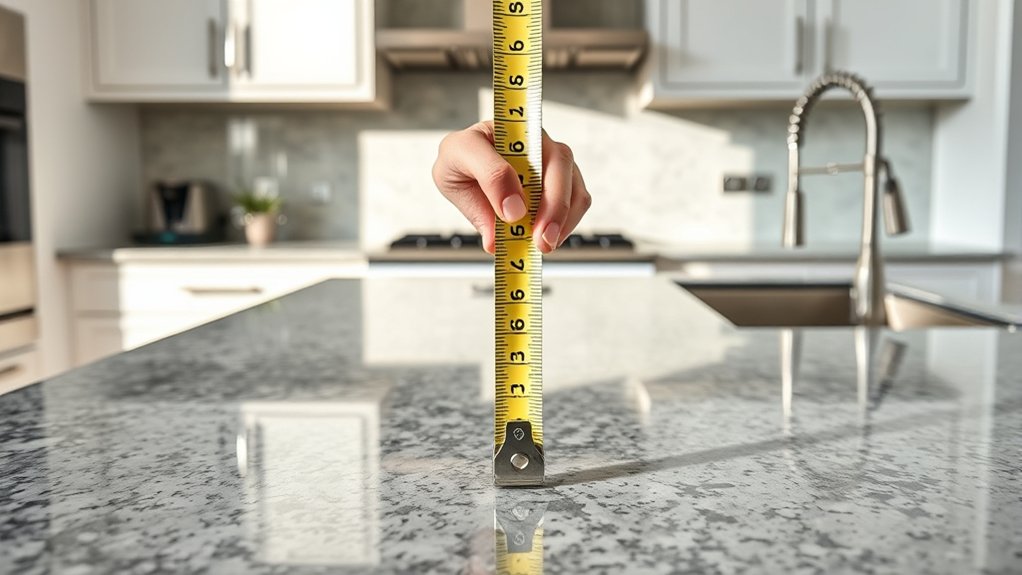
To find your ideal kitchen counter height, start by measuring your height and paying attention to how you naturally stand while working. Then, think about the tasks you’ll do most often, since food prep, cooking, and baking may be more comfortable at slightly different heights.
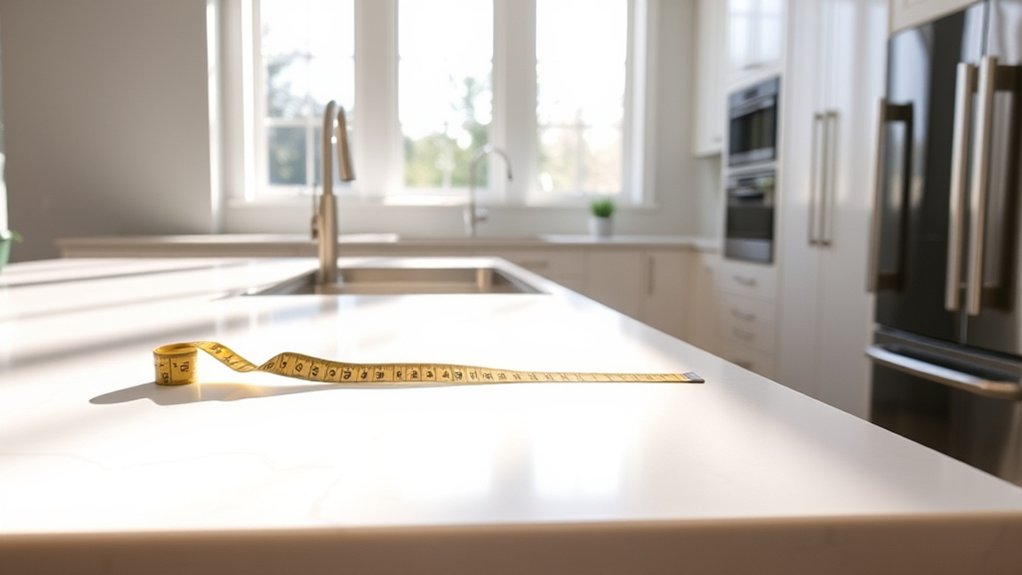
Use a tape measure or ruler to test different heights. Adjust the surface until it feels comfortable and allows you to work without straining your back, shoulders, or wrists.
Determine Your Height
Since your height directly affects your comfort while cooking, measuring it accurately is essential for determining the ideal kitchen counter height. Stand straight and measure from the floor to your wrist crease with your arm bent at a 90-degree angle.
This measurement helps tailor your countertop height, ensuring ease during prep work, especially when paired with your preferred countertop materials and kitchen lighting.
Use this quick reference to estimate your ideal counter height:
| Your Height (ft/in) | Ideal Counter Height (in) |
|---|---|
| 5’0″ – 5’3″ | 34 |
| 5’4″ – 5’7″ | 36 |
| 5’8″ – 5’11” | 38 |
| 6’0″ – 6’3″ | 40 |
| 6’4″ and above | 42 |
Adjust based on your comfort and cooking habits.
Consider Counter Purpose
Your height gives a solid starting point for choosing the right counter height, but the purpose of each counter plays a big role too. If you plan to use a countertop primarily for food prep, aim for a height that lets you work comfortably without bending.
For baking, a slightly higher counter can reduce strain when kneading dough. Consider how countertop materials affect your choice; for example, heavier materials like granite may require sturdier, more supportive cabinetry at specific heights.
In open kitchen designs, you might want varying counter heights to separate cooking zones from eating areas. Ultimately, your kitchen design should balance functionality with comfort, tailoring counter heights to suit distinct tasks while maintaining a cohesive look.
This guarantees your counters serve you well daily.
Use Measuring Tools
Although selecting the right counter height starts with understanding your needs, you’ll need precise measurements to get it just right. Grab a tape measure and mark the height that feels most comfortable for your tasks, whether it’s prepping, cooking, or dining.
Measure from the floor to where you want the counter’s surface to sit, keeping in mind the thickness of your chosen material. Don’t forget to factor in decorative finishes, as they can add extra height or affect the edge profile.
Also, consider material durability. Sturdier materials may allow for slimmer designs, influencing your measurements. Taking accurate measurements guarantees your kitchen counters not only fit your workflow but also accommodate the style and longevity you want in your space.
How to Adjust Kitchen Counter Height for Different Users
Adjust your kitchen counter height according to ergonomic guidelines to make cooking more comfortable and safe. Customizing the height for different users can reduce strain and improve efficiency. Let’s look at a few practical ways to make the counters work well for everyone in your home.
Ergonomic Height Guidelines
When adjusting kitchen counter height, consider who will use the space most often and what tasks they’ll perform. For example, chopping vegetables demands a lower surface than baking, which may require more elbow room.
To guarantee comfort, aim for a counter height where your forearms are parallel to the surface when working. This minimizes strain and improves efficiency.
Remember, different countertop materials might influence your choice. Heavier materials like granite may limit height adjustments, while lighter ones offer flexibility.
Decorative accents, such as backsplashes or trim, can also affect the final height, so factor those in early. By tailoring your kitchen counter to ergonomic principles, you create a space that feels natural for your daily routines and reduces fatigue during meal prep.
Customizing Counter Heights
Since every user’s height and tasks differ, customizing your kitchen counter height guarantees comfort and efficiency. Start by measuring the tallest and shortest users to find a height that minimizes strain during food prep.
Consider adjustable-height counters or islands to accommodate multiple users. When selecting countertop materials, choose ones that combine durability with ease of modification, like quartz or butcher block, which can be cut to fit your ideal dimensions.
Don’t forget color coordination. Matching your customized counters with cabinets and backsplashes creates a cohesive look that elevates your kitchen’s appeal.
Why Kitchen Counter Height Really Matters for Comfort and Safety
Although kitchen counter height might seem like a small detail, it plays an essential role in your comfort and safety while cooking. When counters are too high or too low, you risk unnecessary strain on your back and wrists, making meal prep uncomfortable and even hazardous.
Proper height lets you work efficiently without awkward bending or reaching. It also helps prevent accidents like slips or spills.
Choosing the right height complements your kitchen’s decorative accents and color schemes, ensuring your space is both functional and visually appealing. Here’s a quick guide:
| Counter Height (inches) | Comfort Level | Safety Impact |
|---|---|---|
| 34–36 | Ideal for most adults | Reduces fatigue |
| Below 34 | Good for shorter users | May cause back strain |
| Above 36 | Suits taller users | Risk of wrist stress |
Adjusting your counter height thoughtfully keeps you safe and comfortable while enhancing your kitchen’s overall look.
How Kitchen Counter Height Changes Your Kitchen Workflow
Your kitchen counter height can make a big difference in how comfortably and efficiently you work. When the counters are the right height for you, tasks like chopping and mixing feel easier and less tiring. Adjusting the height to suit your needs can help your workflow and reduce strain.
Ergonomics And Comfort
A well-chosen kitchen counter height can considerably boost your comfort and efficiency while cooking or prepping meals. When your counters fit your height, you reduce strain on your back and wrists, making it easier to work for longer periods without fatigue.
This ergonomic benefit lets you focus on your tasks rather than on discomfort. Furthermore, you’ll want to consider decorative surfaces that aren’t just visually appealing but also support your workflow.
Choosing materials with good durability ensures your counters withstand daily use without warping or damage, maintaining comfort over time. By tailoring your counters’ height and surface materials, you create a kitchen that’s both functional and pleasant to use.
This enhances your overall cooking experience and makes every meal prep session smoother.
Task Efficiency Impact
When kitchen counters sit at the right height, they streamline your workflow by reducing unnecessary movements and awkward postures. Proper counter height, rooted in ergonomic design, helps you maintain comfort while prepping, cooking, or cleaning. This efficiency means less fatigue and more productivity in your kitchen tasks.
With the right counter height, you’ll notice:
- Faster meal prep and smoother chopping motions
- Reduced strain on your back and shoulders
- Easier access to utensils and ingredients
- Improved precision when handling delicate tasks
Customization For Needs
Selecting the right kitchen counter height doesn’t just boost comfort; it shapes how you move and work throughout your kitchen. When customizing your countertop height, consider how it affects your workflow, especially during meal prep or baking.
Taller counters suit standing tasks, while lower heights assist with seated activities or kids’ involvement. Your choice also depends on countertop materials; some, like granite or quartz, might influence the thickness and, consequently, the overall height.
During renovation planning, factor in your height and daily habits to create a space that feels natural and efficient. Don’t hesitate to adjust standard measurements if it improves your kitchen’s usability.
After all, a well-thought-out counter height amplifies both comfort and productivity in your cooking space.
Kitchen Counter Height and Appliance Fit: What to Know
How do you guarantee your kitchen counters work seamlessly with your appliances? Start by considering appliance placement carefully. Your counters should align with the height of appliances like ovens and dishwashers to maintain a smooth, functional flow.
Material selection also plays a vital role. Durable surfaces withstand heat and moisture from appliances, helping ensure longevity.
Keep these points in mind:
- Measure appliance heights before finalizing counter height
- Choose materials resistant to heat and scratches near stoves or ovens
- Leave enough clearance for appliance doors and handles to open fully
- Make certain counter edges don’t obstruct appliance controls or vents
Taller vs. Shorter Kitchen Counters: Pros and Cons
Although most kitchen counters stick to a standard height, choosing taller or shorter counters can considerably impact your comfort and workflow. Counter height variations allow you to tailor your kitchen to your specific needs.
Taller counters, usually around 38 to 42 inches, reduce bending and are great if you do a lot of prep work standing up or have mobility concerns. However, they might make sitting at the counter uncomfortable.
Shorter counters, often below the standard 36 inches, can be ideal if you’re shorter or want a more casual, approachable workspace. However, they might strain your back during extended tasks.
Beyond comfort, these variations influence design aesthetics. Taller counters can create a more modern, streamlined look, while shorter ones often feel cozy and traditional.
When weighing taller vs. shorter kitchen counters, consider both how you’ll use the space and the style you want to achieve. Balancing function and design is key to a kitchen that works well and looks great.
Tips for Customizing Kitchen Counter Height in Renovations
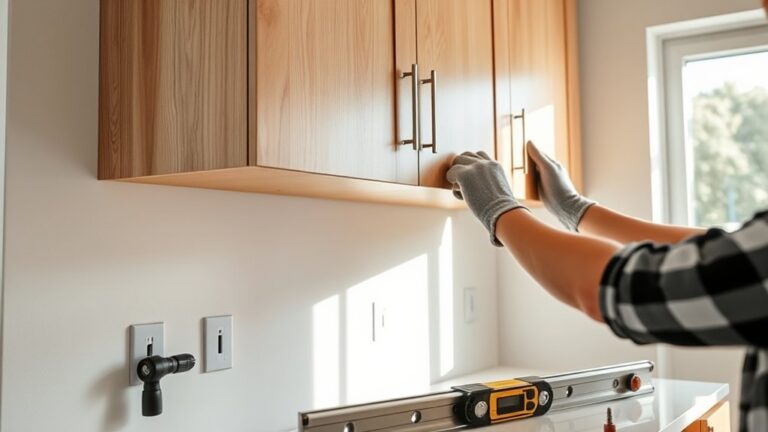
When customizing your kitchen counter height during renovations, you’ll want to prioritize both comfort and functionality. Tailoring the height to your needs guarantees ease during meal prep and reduces strain.
Start by considering your height and how you use the space daily. Don’t forget to factor in your preferred appliances and how they affect counter clearance.
Here are some tips to guide you:
- Measure your elbow height to find a comfortable working surface.
- Choose material choices that suit your lifestyle, like durable quartz or warm wood.
- Incorporate decorative finishes that complement your kitchen style while protecting the surface.
- Plan for multi-level counters if you need varied heights for different tasks.
Customizing your counter height lets you create a kitchen that fits your routine perfectly while enhancing its look and feel with thoughtful finishes and materials.
Trends in Ergonomic Kitchen Counter Heights
Adjusting your kitchen counter height to fit your needs sets the stage for exploring the latest ergonomic trends that make cooking and prepping more comfortable than ever. Today, many homeowners opt for varied counter heights within the same kitchen, tailoring spaces for different tasks like chopping, baking, or bar seating.
You’ll find that adjustable or multi-level counters are gaining popularity, allowing you to switch heights easily. When choosing your counters, consider material choices that not only complement your style but also improve comfort. Materials like bamboo or quartz offer durability and a pleasant tactile experience.
Decorative accents have also become essential, with ergonomic designs blending functionality and aesthetics seamlessly. Raised edges or curved surfaces reduce strain, while subtle texture changes guide your workflow.
Frequently Asked Questions
What Materials Are Best for Kitchen Counter Surfaces?
You’ll find that quartz, granite, and solid surface materials are best for kitchen counter surfaces because they offer excellent countertop durability and aesthetic appeal. Quartz is non-porous and resists stains, while granite adds natural beauty and strength.
Solid surfaces provide seamless looks and easy repairs. If you want something budget-friendly yet durable, laminate works well. Choosing the right material depends on how much wear your counters will face and the style you want.
How Do I Maintain and Clean Different Countertop Materials?
Think of your countertop as a garden that needs regular care. To keep it vibrant, follow cleaning schedules tailored to each material: wipe granite with mild soap, avoid harsh chemicals on wood, and use gentle cleaners on quartz.
Apply sealing techniques to porous surfaces like granite or marble to protect against stains. By staying consistent, you’ll preserve your countertop’s beauty and functionality for years.
What Is the Average Cost of Installing New Kitchen Counters?
You can expect to pay between $2,000 and $5,000 for installing new kitchen counters, depending on materials and size. If you want to keep up with countertop trends, designer styles like quartz and concrete might cost more but add lasting value. Keep in mind, custom options and premium finishes will increase your budget, so plan accordingly to get the look and durability you want without surprises.
Can Kitchen Counters Be Installed Over Existing Countertops?
You can’t judge a book by its cover, and the same goes for kitchen counters—you can install new ones over existing countertops if they’re in good shape.
To guarantee countertop durability, make sure the old surface is clean, level, and sturdy. Use proper installation tips like secure adhesives and avoid moisture traps.
This approach saves time and money while giving your kitchen a fresh look without a full demolition.
How Long Do Kitchen Countertops Typically Last?
Kitchen countertops typically last between 10 to 30 years, depending on countertop durability and material longevity. If you choose granite or quartz, you can expect them to last longer due to their toughness.
Laminate or tile might wear out sooner. You should consider how often you use your kitchen and how well you maintain the surfaces since proper care can extend the lifespan of your countertops considerably.
Conclusion
Think of your kitchen counter like the perfect dance partner—it needs to match your moves to keep things flowing smoothly.
Studies show that 36 inches is the standard kitchen counter height, but just like a dance, personal comfort is key. When your counters fit you just right, cooking becomes effortless and safe.
So, don’t be afraid to customize. Your kitchen should move to your rhythm, making every meal a graceful performance.