How to Pull Out a Kitchen Drawer Safely and Easily
To pull out a kitchen drawer, locate the handles or knobs, firmly grasp them, and gently slide the drawer straight out along its tracks until it stops. Most drawers have metal or plastic runners that keep them aligned and prevent them from falling out unexpectedly.
Knowing how to pull out a kitchen drawer properly helps prevent damage to the drawer and its runners. It also reduces the risk of the drawer detaching suddenly, which can lead to broken cabinet parts or spilled contents. Smooth operation is key for daily kitchen use and longevity of your cabinetry.
This guide will explain the different types of kitchen drawer mechanisms, safety tips for removing drawers fully, troubleshooting common issues like stuck drawers, and maintenance advice to keep your drawers sliding effortlessly.
Understanding Kitchen Drawer Mechanisms
Side-Mount Drawer Slides
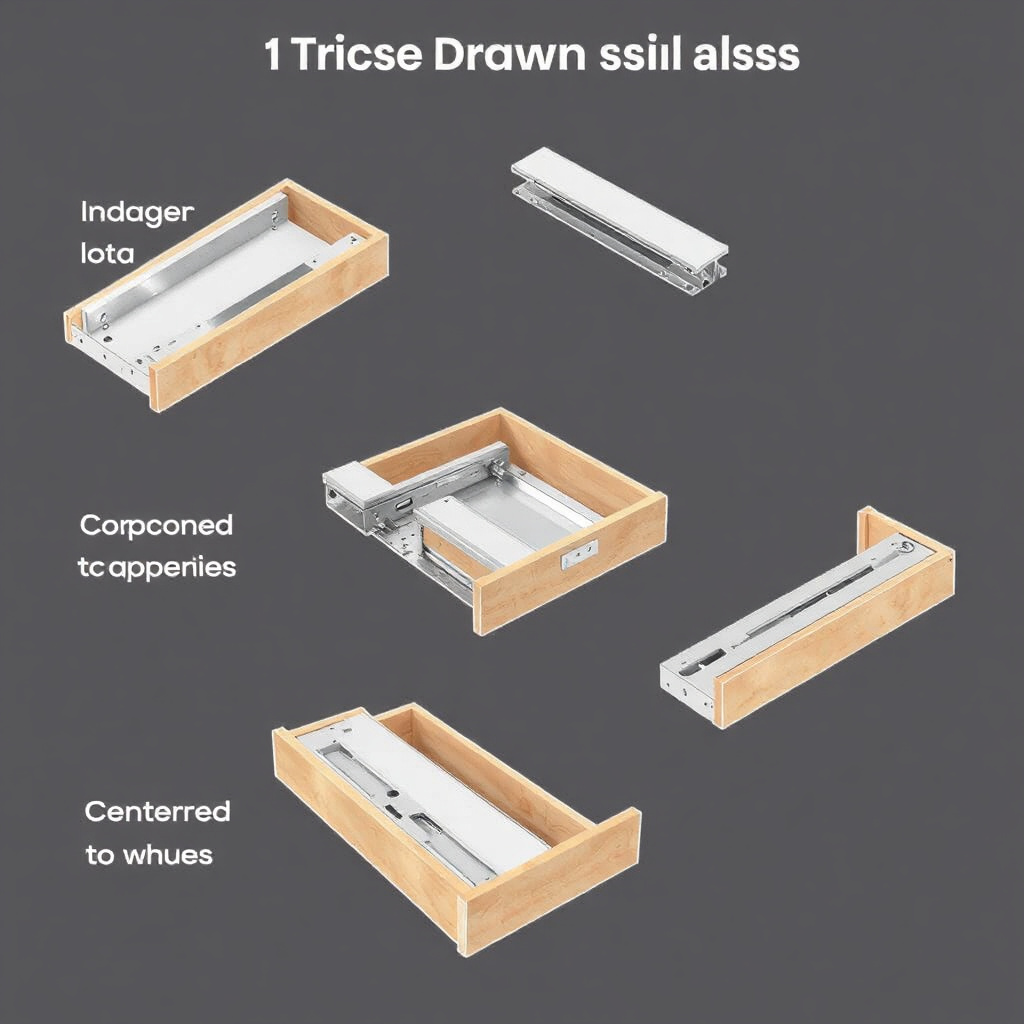
Side-mount drawer slides are attached to the sides of the drawer and cabinet. They usually feature ball bearings or rollers allowing the drawer to slide smoothly.
When pulling out the drawer, these slides typically extend fully but include safety stops to prevent the drawer from being pulled out accidentally.
Under-Mount Drawer Slides
Under-mount slides are hidden beneath the drawer, providing a clean look without visible hardware. They use soft-close or self-close features for a gentle drawer operation.
These slides often require pressing levers or tabs under the drawer to remove it fully, which differs from side-mount slides.
Step-by-Step Guide to Pull Out a Kitchen Drawer
Basic Drawer Removal
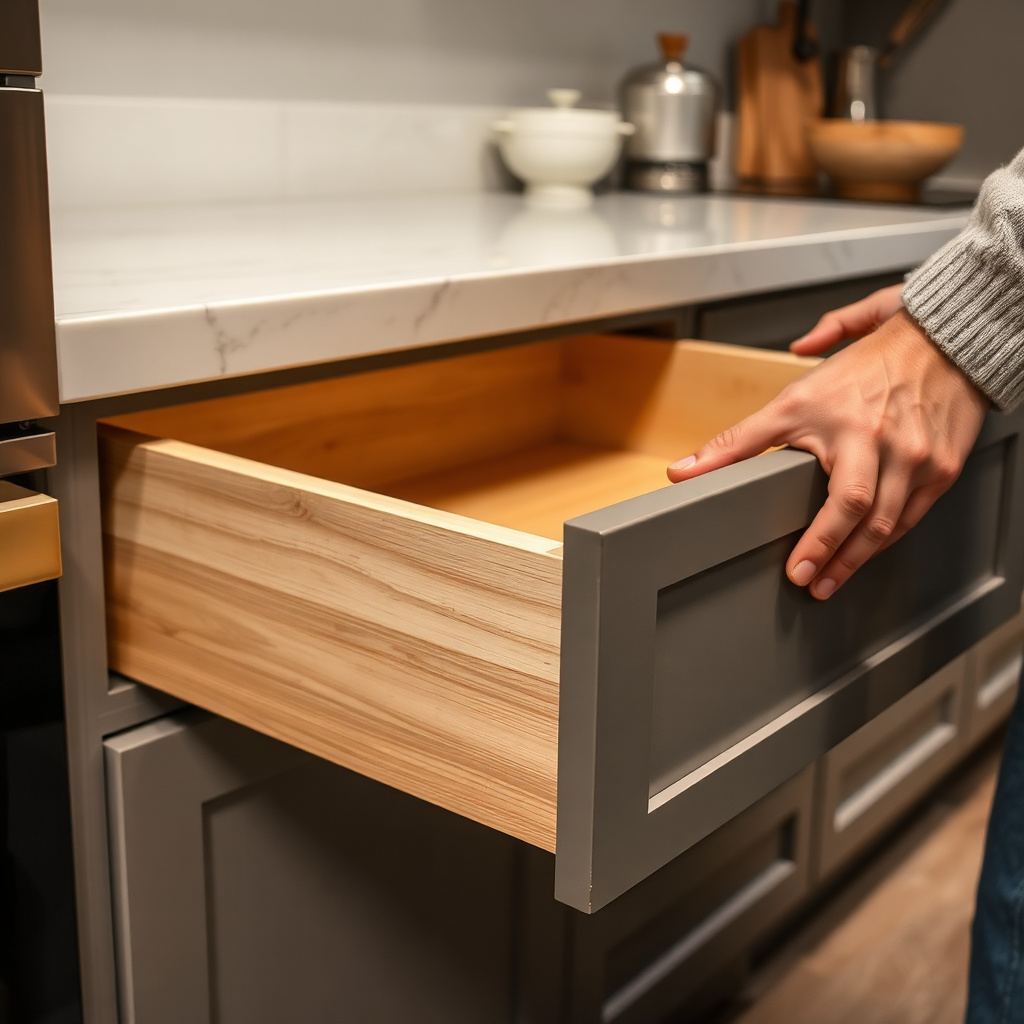
Start by pulling the drawer straight out slowly until it reaches its stopping point. Apply steady, even pressure to avoid jarring the drawer or misaligning the slides.
If your drawer doesn’t come out easily, stop and check for catches or levers that might need to be disengaged before the drawer can be fully removed.
- Pull drawer straight out
- Stop at natural resistance
- Look for safety catches or levers
Removing Drawers with Safety Catches
Some drawers have built-in safety catches to prevent accidental removal. These usually require lifting, pressing, or sliding tabs on the sides or bottom of the drawer.
Consult your cabinet’s hardware instructions if available, or carefully inspect the underside or sides of the drawer to locate these mechanisms before attempting removal.
- Locate safety catches
- Press or lift catch carefully
- Then pull drawer out fully
Troubleshooting Stuck Kitchen Drawers
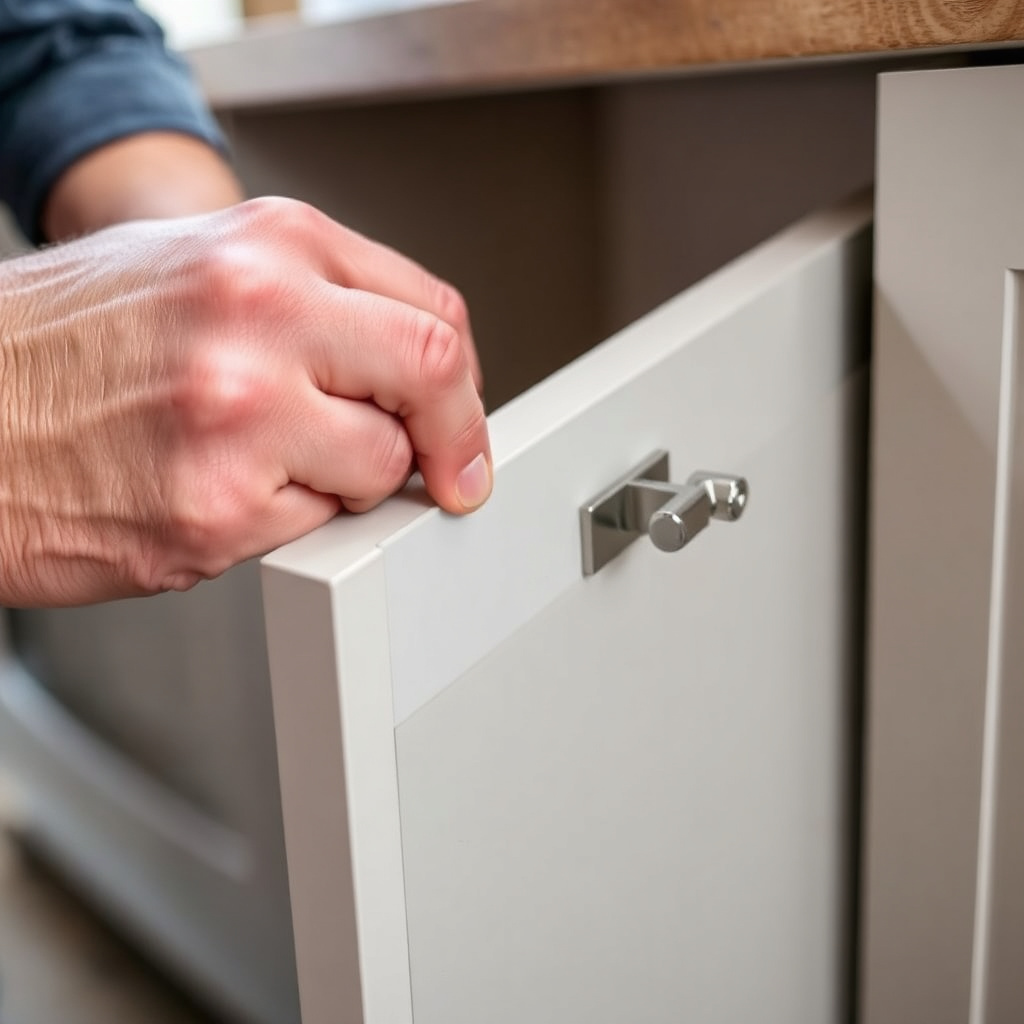
Identifying Causes of Stuck Drawers
Drawers often get stuck due to debris caught in the tracks, misaligned slides, or damaged hardware. Moisture or swelling of wooden drawers can also cause sticking.
Understanding the cause helps decide whether cleaning, adjustment, or replacement is needed to get the drawer working smoothly again.
For more on this, see our related guide: 7 Tips How to Style Kitchen Counters: Best Guide 2027.
Fixes for Stuck Drawers
Clean the drawer slides thoroughly, removing dirt or obstructions. Lubricate metal tracks carefully with silicone spray or wax to improve movement.
Tighten loose screws or replace worn-out parts. If swelling is causing tightness, sanding down affected wood edges may be necessary.
- Clean slides and tracks
- Lubricate moving parts gently
- Tighten screws and repair damage
Maintaining Kitchen Drawers for Smooth Operation
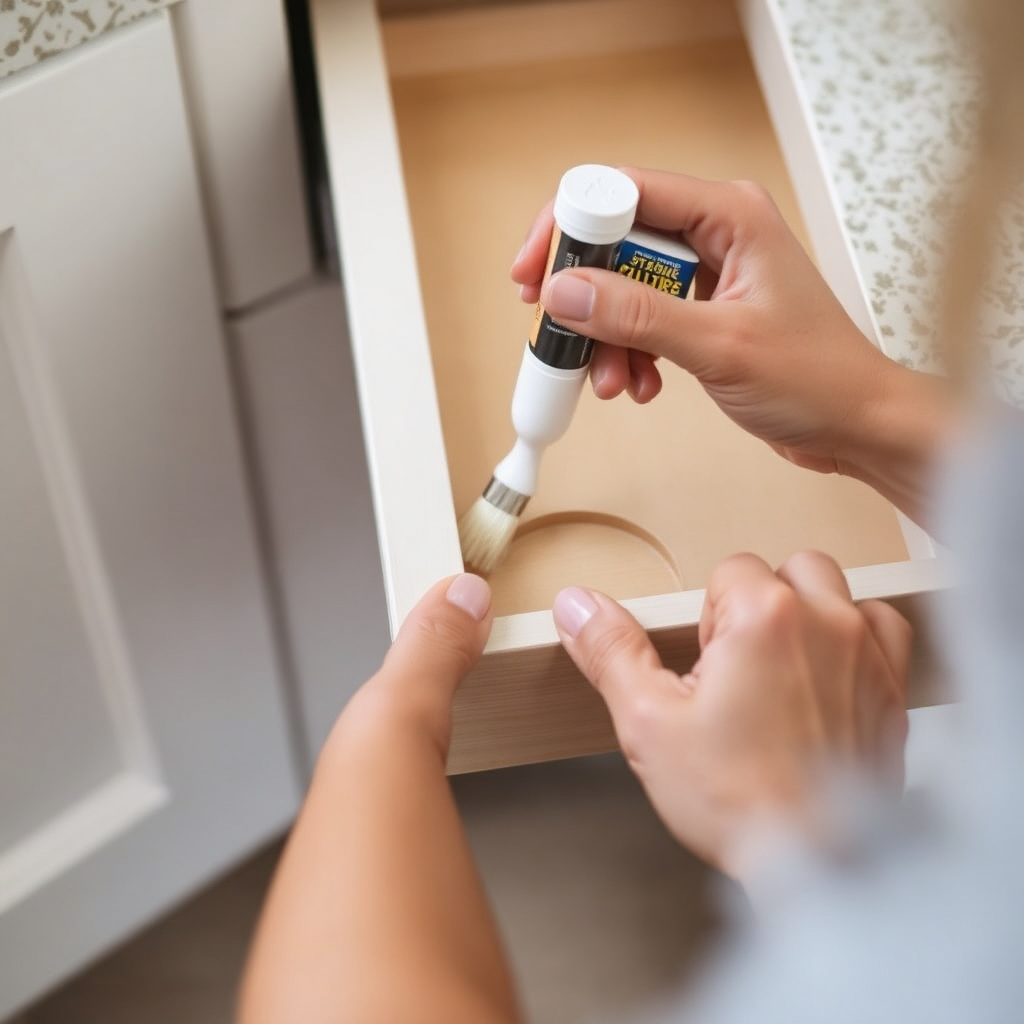
Regular Cleaning
Remove crumbs, dust, and spills from inside drawers and tracks regularly using a vacuum or cloth. This prevents buildup that can hamper drawer movement.
Wiping down surfaces and drawer slides keeps hardware functioning and avoids the drawer sticking or squeaking.
Lubricating Drawer Slides
Use silicone-based lubricants for metal or plastic drawer slides to avoid attracting dust. Apply sparingly and wipe off excess to keep slides clean.
Avoid oil-based lubricants as they can gum up over time, leading to dirt accumulation and harder drawer operation.
- Use silicone lubricant
- Apply sparingly to slides
- Avoid oil-based lubricants
Safety and Handling Tips When Pulling Out Drawers
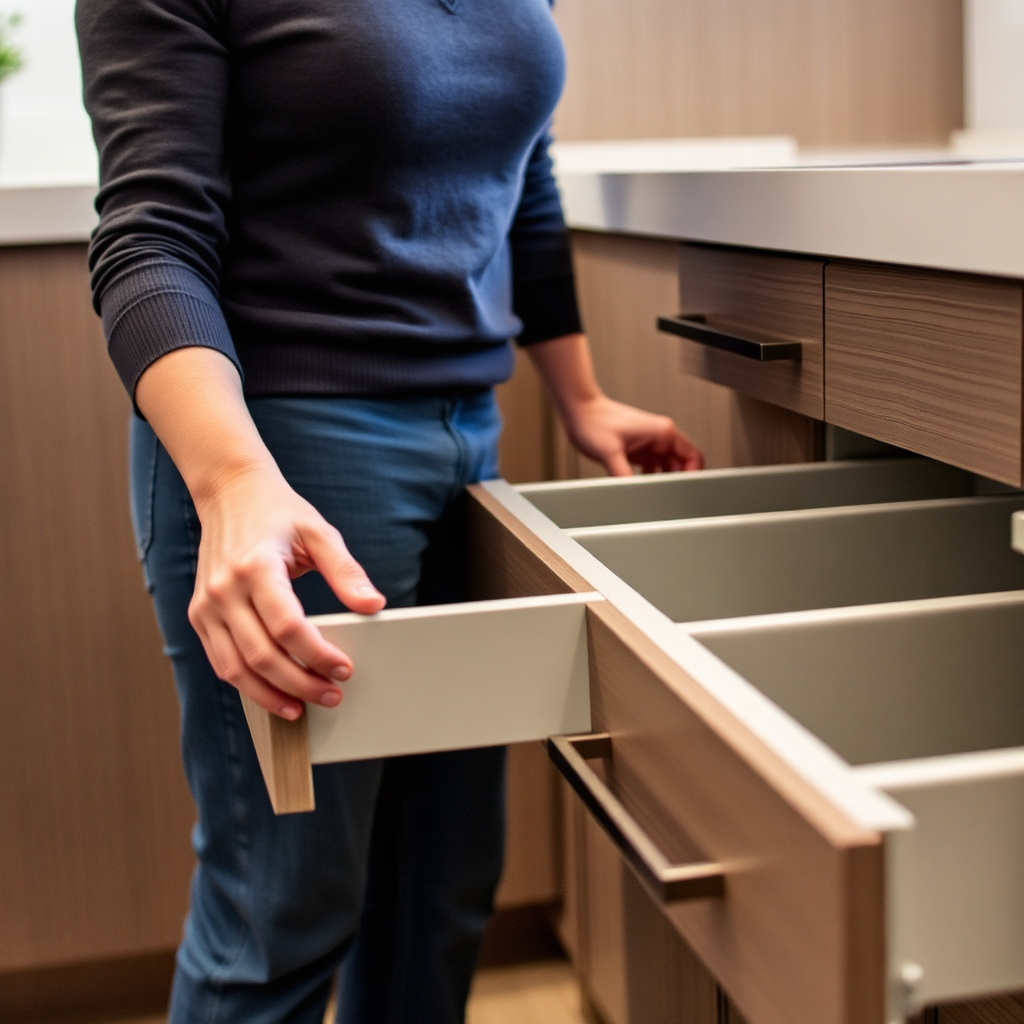
Preventing Damage to Drawers and Cabinets
Always pull drawers straight out and avoid forcing them at an angle, which can warp the slides or damage the cabinet frame.
Use both hands if the drawer is heavy or loaded to evenly distribute force and reduce wear on drawer components.
For more on this, see our related guide: How to Fit a Kitchen in 3 Simple Steps.
Avoiding Injuries
Be cautious of pinch points where slides retract; fingers can get caught if pulled too quickly or carelessly.
Check for sharp edges or broken parts before pulling a drawer fully out to prevent cuts or scrapes.
- Pull drawers smoothly and straight
- Use both hands for heavy drawers
- Watch for pinch points
Recognizing When to Replace Kitchen Drawer Hardware
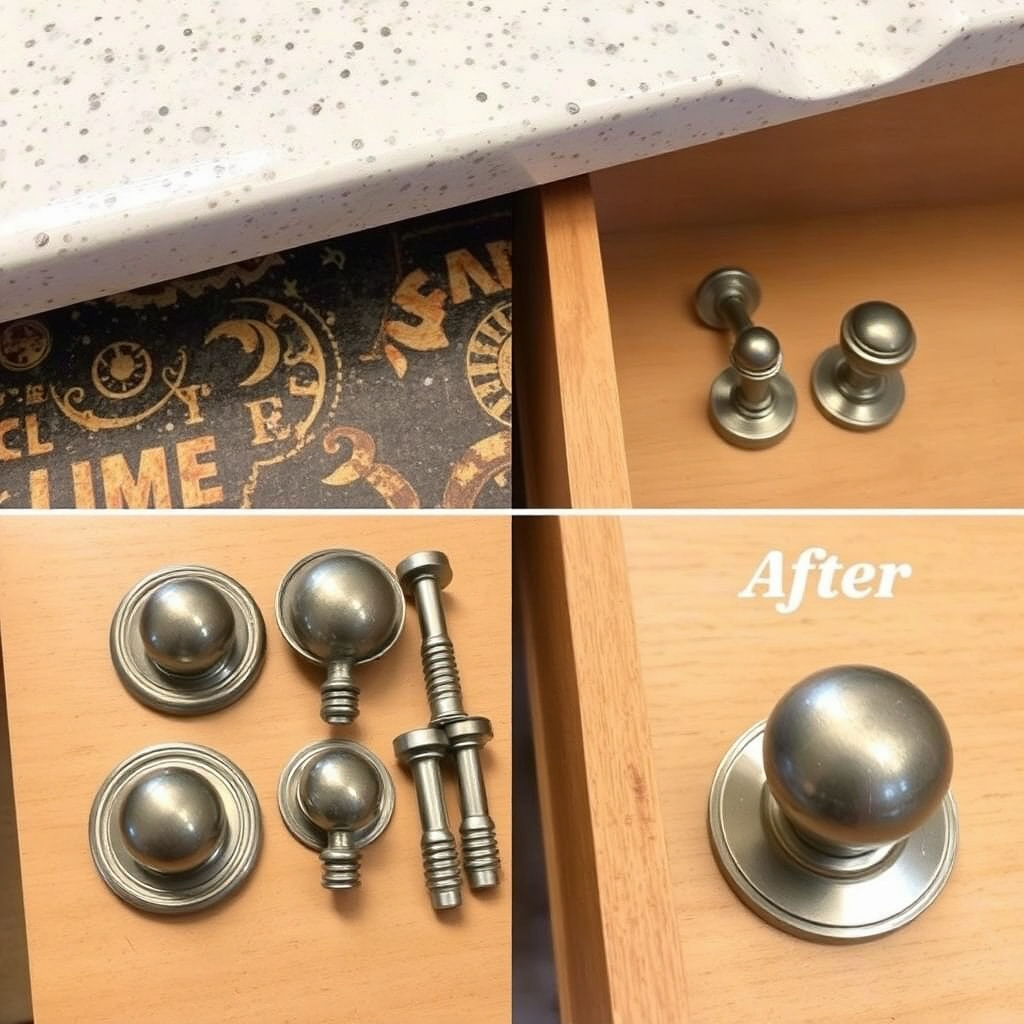
Signs of Worn or Broken Drawer Slides
If drawers consistently stick, wobble, or drop unexpectedly despite cleaning and lubrication, hardware may be too worn to function safely.
Cracks, rust, or bent components are indicators that replacement slides are needed to restore smooth operation.
For more detailed information about kitchen cabinetry and drawer types, visit the Kitchen cabinet drawer article on Wikipedia. Kitchen cabinet drawer article on Wikipedia.
Upgrading Drawer Slides for Better Performance
Replacing old slides with modern soft-close or full-extension models can improve usability and durability.
Selecting the right replacement based on your kitchen drawer type ensures compatible fit and smoother movement.
- Select slides matching drawer type
- Consider soft-close or full-extension
- Hire a professional if unsure
Kitchen Drawer Slide Type Comparison
Here’s a comparison of popular kitchen drawer slide types, highlighting their features, pros, and typical uses.
| Slide Type | Visibility | Load Capacity | Ease of Removal | Cost Range |
|---|---|---|---|---|
| Side-Mount | Visible on sides | Up to 100 lbs | Easy with no tools | $10-$30 per pair |
| Under-Mount | Hidden below drawer | Up to 75 lbs | Requires lever release | $25-$50 per pair |
| Center-Mount | Single track under center | Up to 50 lbs | Slides out easily | $8-$20 per pair |
| Ball-Bearing | Usually side-mount | Up to 120 lbs | Moderate effort | $15-$40 per pair |
Frequently Asked Questions
How do I know if my kitchen drawer has safety catches?
Inspect the sides or underside of your drawer for plastic tabs or metal levers that need to be pressed or lifted to release the drawer fully. Manufacturer instructions or model numbers can help identify these mechanisms.
What should I do if my kitchen drawer is stuck and won’t budge?
Stop pulling to avoid damage, then check for obstructions in the tracks. Clean debris and try lubricating the slides with a silicone spray. If still stuck, the hardware may need repair or replacement.
Can I lubricate wooden drawer slides?
Wooden slides can be smoothed by rubbing with wax or soap for minor improvements. However, avoid liquid lubricants as they can soak wood and cause swelling or damage.
Is it safe to force a stuck kitchen drawer open?
Forcing a stuck drawer risks breaking the slides or cabinet. It’s better to identify the cause of sticking and address it gently with cleaning, lubrication, or hardware adjustment.
How often should I maintain my kitchen drawer slides?
A good practice is cleaning and lubricating drawer slides every 6 to 12 months, depending on kitchen use, to keep drawers sliding smoothly and avoid premature wear.
Key Takeaways
- Pull kitchen drawers out straight and gently to avoid damage.
- Identify your drawer slide type to know how to remove it properly.
- Regular cleaning and lubrication keep drawers functioning smoothly.
- Replace worn hardware to maintain drawer safety and performance.
Conclusion
Pulling out a kitchen drawer is a simple task that benefits from understanding the drawer’s hardware mechanisms and proper handling techniques. By pulling drawers straight and identifying features like safety catches, you avoid damage to the slides and potential accidents. Knowing whether your drawer uses side-mount, under-mount, or center-mount slides can guide perfect removal and maintenance.
If your drawer becomes hard to pull or stuck, consider regular cleaning, lubrication, and checking for obstructions before attempting full removal. For long-term use, replacing worn drawer slides with modern soft-close options enhances both function and safety, especially in busy kitchens. Side-mount slides provide easy access while under-mount hardware offers cleaner aesthetics and quiet operation.
To keep your kitchen drawers in good shape, examine the slide type, perform routine maintenance, and remove drawers carefully when needed. If unsure, consult manufacturer guidelines or professional help to avoid damaging your cabinetry. With consistent care, your kitchen drawers will continue sliding smoothly for years to come.