How to Get Rid of Sugar Ants in the Kitchen: Effective Strategies That Work
Sugar ants in the kitchen can quickly become a nuisance, but getting rid of them effectively starts with identifying their entry points and cutting off their food sources. Using targeted baits and maintaining a clean environment can eliminate these persistent pests.
These tiny ants are attracted to sugary residues and damp areas, making kitchens their ideal habitat. Left unchecked, they can spread throughout your home, contaminate food, and cause frustration. Handling an infestation early prevents larger problems.
This article will cover how to identify sugar ants, the best techniques for removing them, natural repellents you can use safely, and long-term prevention strategies to keep your kitchen ant-free.
Identifying Sugar Ants and Their Behavior
Physical Characteristics of Sugar Ants
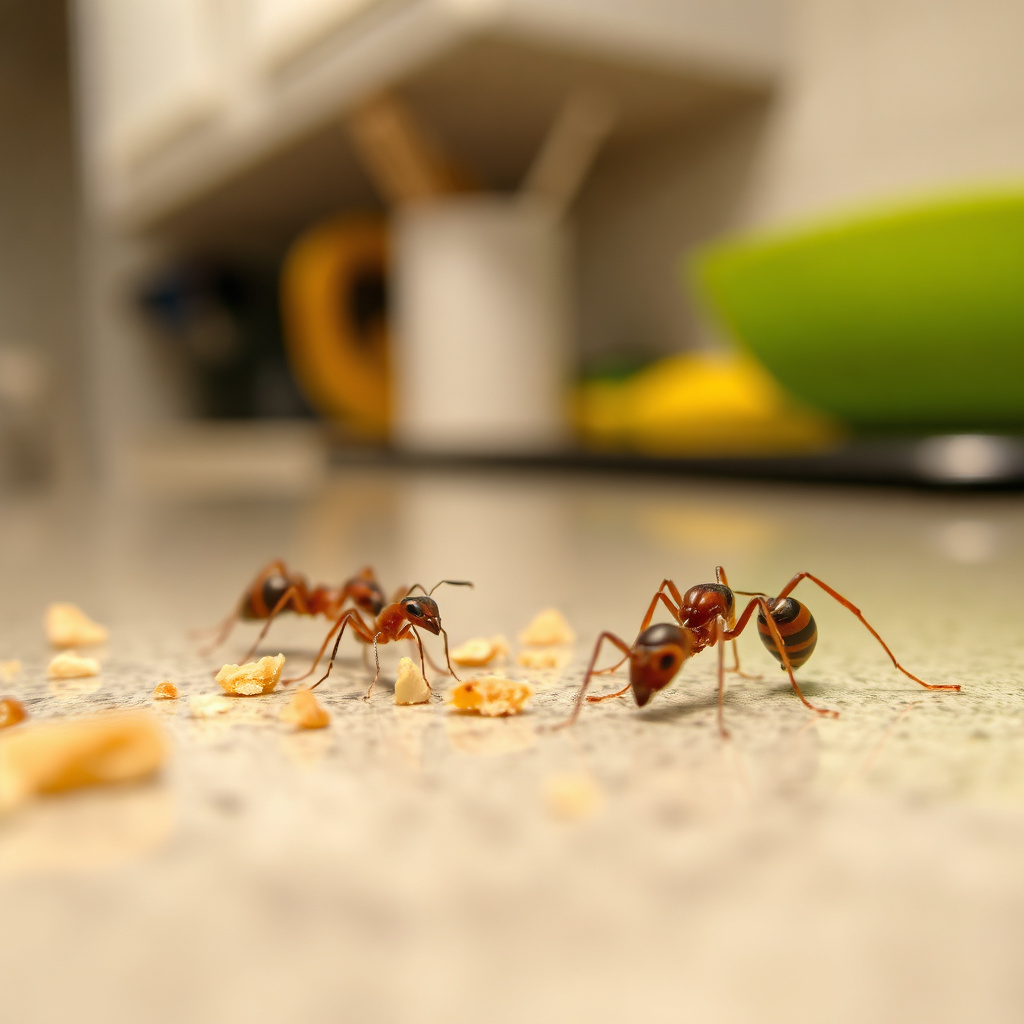
Sugar ants are small, slender ants typically measuring 1/8 inch in length with a shiny, dark brown or black body. Their size and color can vary slightly depending on the species, but they are generally easy to distinguish from other household ants due to their preference for sweet substances.
Their antennae are distinctly bent, and they move in trailing lines, especially when scouting for food sources. Recognizing these ants helps target the right control methods effectively.
Common Nesting and Feeding Patterns
Sugar ants tend to build nests near kitchens or other areas with easy access to sweets and moisture, such as pantries, cracks in walls, or under appliances. They follow scent trails to exploit sugary foods left out or spilled.
These ants are known for their persistent foraging behavior; once they find a food source, colonies grow quickly. Mapping their trails can help identify entry points and eliminate infestations at the source.
Practical Methods to Get Rid of Sugar Ants in the Kitchen
Using Ant Baits and Trap Stations
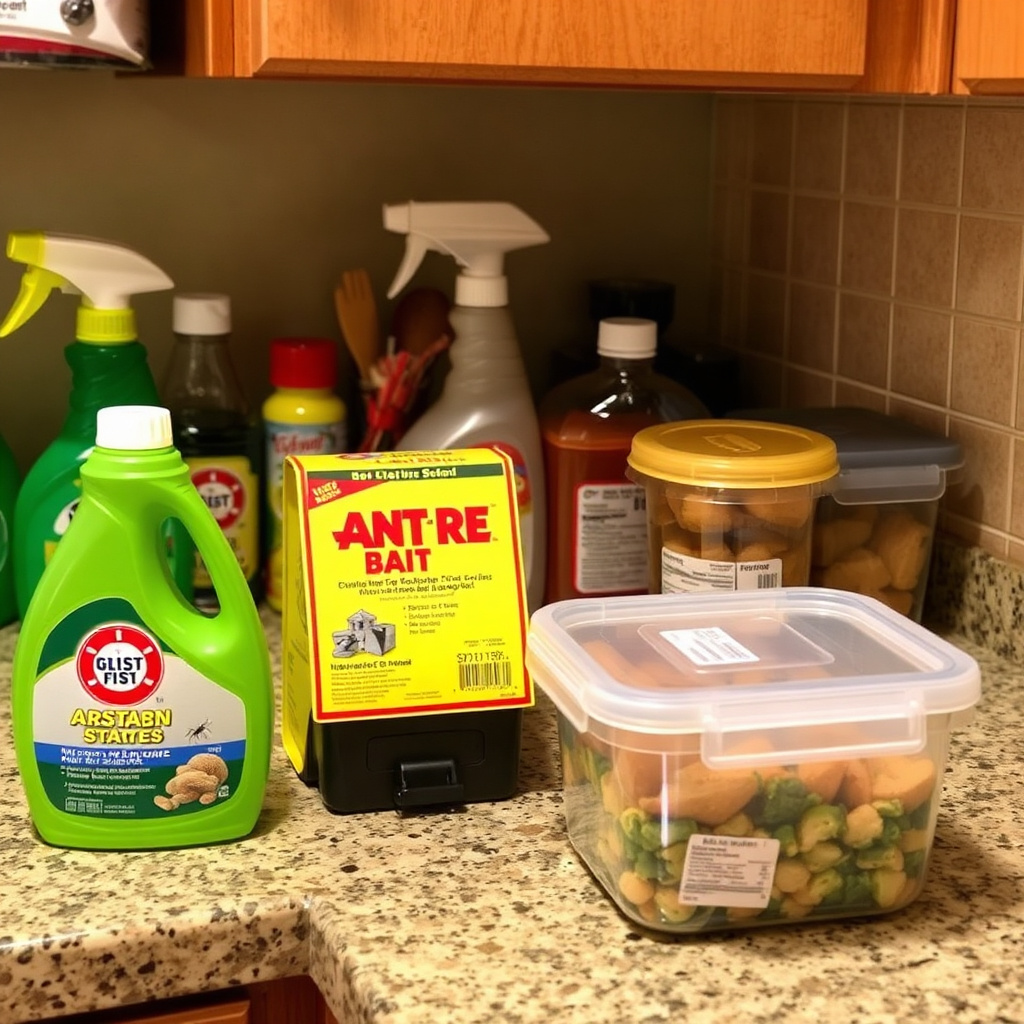
Ant baits attract sugar ants by mimicking sugary food. Workers carry the bait back to their colony, which helps eliminate the queen and the entire colony over time. Placement of baits along ant trails is critical for success.
Gel and solid bait stations are effective options. Ensure baits are placed away from children and pets, and avoid using sprays that repel ants before baiting as it can reduce bait pickup.
- Place baits near trails and entry points
- Avoid spraying insecticides directly on ants before baiting
- Keep bait stations out of reach of pets and children
Thorough Cleaning and Food Storage
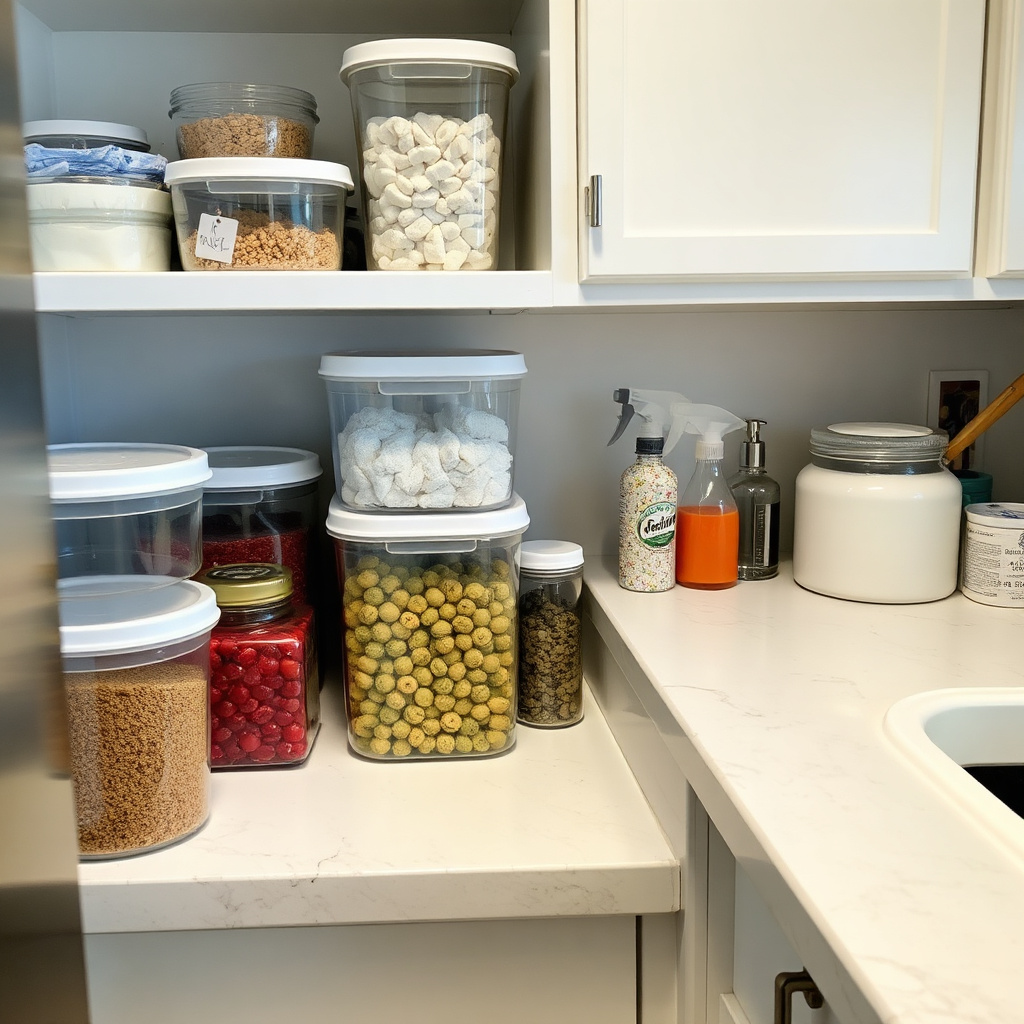
Cleaning sugary spills immediately and keeping counters wiped free of crumbs removes the sugar ants’ attractions. Store all food, especially sweets, in airtight containers.
Empty trash bins regularly and fix any kitchen leaks to reduce moisture, which also attracts ants. Clean behind appliances where food often accumulates unseen.
- Wipe counters daily
- Seal all food containers tightly
- Fix leaks and moisture issues
- Clean under and behind appliances
Natural Ant Repellents for Kitchen Use
Vinegar and Citrus-Based Repellents
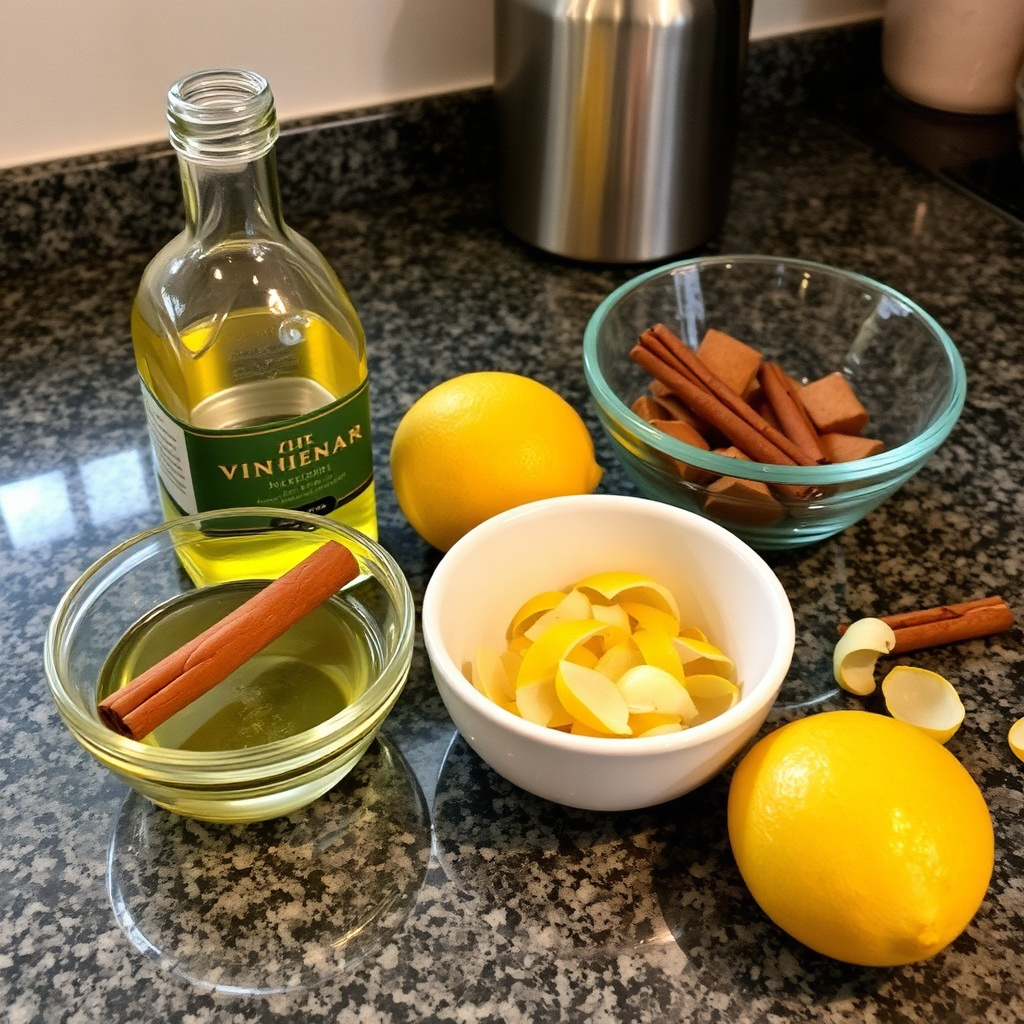
Vinegar mixed with water creates a natural spray that disrupts sugar ants’ scent trails, preventing them from finding food sources. Citrus peels, especially lemon or orange, deter ants with their strong smell when placed near entry points.
These natural repellents are safe for kitchen environments and can be reapplied frequently for best results.
- Mix equal parts water and vinegar in a spray bottle
- Spray near ant trails and entryways
- Place fresh citrus peels on windowsills and counters
For more on this, see our related guide: How to Kill Ants in the Kitchen Step-by-Step.
Using Essential Oils and Spices
Essential oils like peppermint, tea tree, and eucalyptus have strong scents that repel ants. You can dilute a few drops in water and spray around the kitchen or dab onto cotton balls placed strategically.
Spices such as cinnamon, cloves, or cayenne pepper can be sprinkled near entry points. Both essential oils and spices provide non-toxic, natural deterrents that complement other control methods.
- Use peppermint oil diluted in water as a spray
- Place cotton balls soaked with essential oils near ant entry points
- Sprinkle cinnamon or cayenne along baseboards
Long-Term Prevention Techniques to Keep Sugar Ants Away
Sealing Entry Points and Structural Maintenance
Inspect and seal cracks, gaps, and holes in walls, window frames, and around pipes with caulk or weather stripping. These block common ant entry points into the kitchen and home.
Keep door sweeps intact and repair screens on windows. Regular home maintenance reduces the risk of future infestations by cutting off ant access.
- Seal gaps and cracks with caulk
- Maintain door sweeps and window screens
- Inspect plumbing fixtures regularly
Managing Outdoor Factors That Attract Ants
Keep vegetation, leaf litter, and mulch away from the home’s foundation to reduce ant nesting sites outdoors. Trim tree branches away from the house since ants often use these as bridges inside.
Place firewood or compost piles far from the kitchen. Minimizing outdoor ant populations lowers the chances of kitchen invasions.
- Trim trees and shrubs near the house
- Store firewood away from the home
- Keep mulch and leaf debris cleared from around foundation
When to Consider Professional Pest Control Assistance
Signs That the Infestation Is Beyond DIY Control
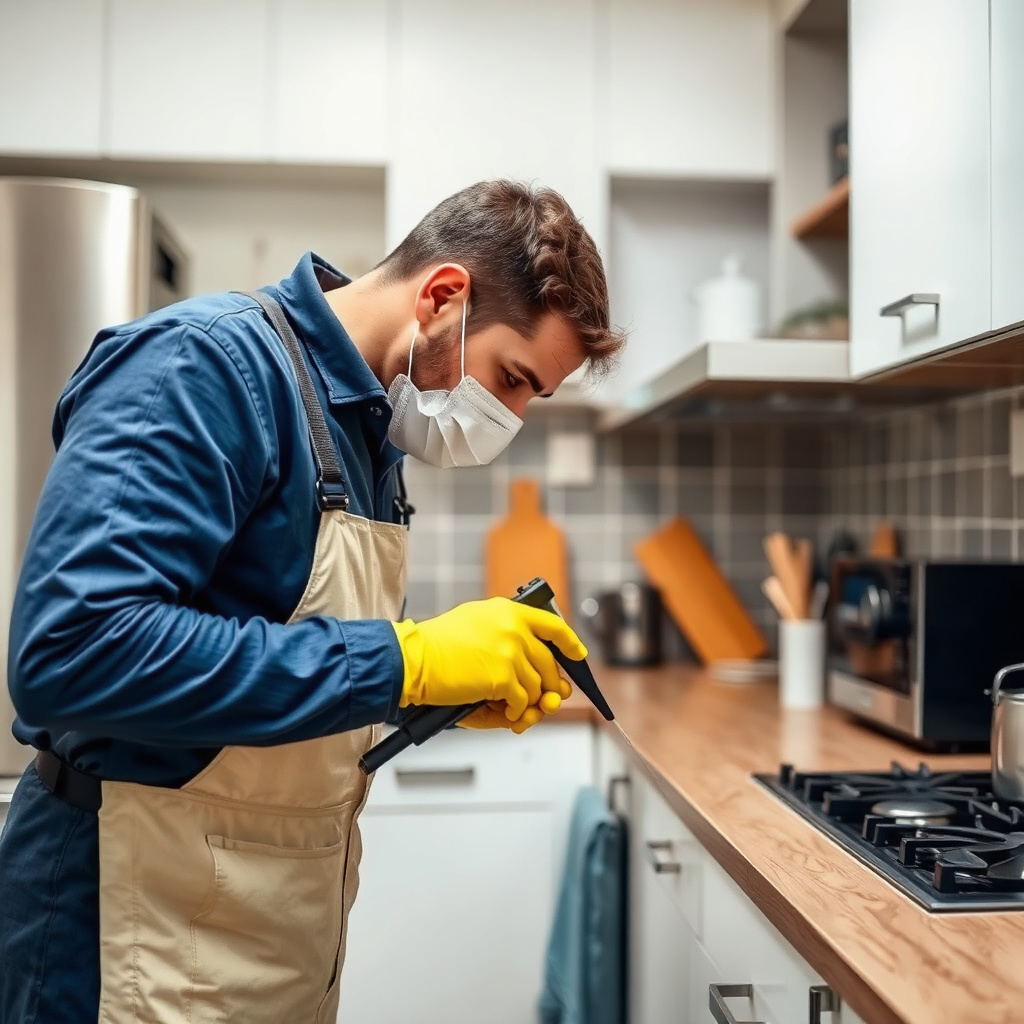
If sugar ants continue to appear despite thorough cleaning, baiting, and sealing, the colony may be large or hidden deep inside walls. Repeated daily sightings and multiple trail locations suggest a significant infestation needing stronger measures.
Persistent discomfort and contamination concerns also justify seeking professional help to eradicate ants completely.
For more on this, see our related guide: How to Get Rid of Cockroaches in Your Kitchen Fast.
What to Expect from a Pest Control Service
Professionals will conduct a thorough inspection to locate nests. They may use specialized baits, sprays, or dust formulations that require targeted application unavailable to consumers.
Licensed pest controllers also provide advice on preventing future problems, often combining treatments with follow-up visits for lasting results.
Tools and Products Recommended for Sugar Ant Control
Top-Rated Ant Baits and Traps
Popular ant bait brands often contain boric acid or hydramethylnon, which effectively kill colonies when carried back by worker ants. Gel baits provide flexibility for use in cracks and tight spaces.
Placement and patience are key; treatment may take several days to eliminate the colony completely.
- Advion Ant Gel Bait
- Terro Liquid Ant Baits
- Combat Ant Killing Bait Stations
For more detailed information on ant control methods, the Wikipedia article on ant control provides comprehensive insights. sugar ant control methods overview.
Recommended Natural Repellent Products
Products using peppermint oil or citrus essence are available commercially and work well alongside homemade solutions. These repellents offer kitchen-safe odor and a barrier effect against sugar ants.
Combination with regular cleaning enhances their effectiveness for ongoing control.
- Eco Defense Natural Ant Killer
- Wondercide Natural Indoor Pest Control
- Vinegar-based commercial sprays
Sugar Ant Control Methods Category Comparison
The table below compares various sugar ant control methods by effectiveness, safety, cost, and application ease to guide your choice.
| Method | Effectiveness | Safety | Cost | Ease of Use |
|---|---|---|---|---|
| Ant baits and traps | High | Moderate (keep away from kids/pets) | Low to medium | Moderate |
| Natural repellents (vinegar, citrus, essential oils) | Moderate | High | Low | Easy |
| Sprays and insecticides | High | Low to moderate | Medium | Easy |
| Professional pest control | Very high | Varies | High | Easy (outsourced) |
| Cleaning and sealing entry points | Moderate | High | Low | Moderate |
Frequently Asked Questions
Can sugar ants survive without sugar in the kitchen?
Sugar ants primarily seek sugary foods but can survive on other substances like grease or protein. Removing all food sources, including non-sugary crumbs, helps starve and eliminate them.
Is vinegar safe to use near food preparation areas?
Yes, diluted vinegar is safe to use around kitchens when applied carefully and wiped up after spraying. It’s a non-toxic option that helps disrupt ant trails without harmful chemicals.
How long does it take for ant bait to work?
Ant baits typically take several days to a couple of weeks to eliminate a colony. Worker ants carry poison back to the nest, gradually reducing the population until it disappears.
Will sealing cracks alone get rid of sugar ants?
Sealing entry points helps block new ants but won't remove existing colonies inside walls or floors. It’s best used alongside baits and cleaning for effective control.
Are essential oils effective for ant control?
Essential oils like peppermint and tea tree can repel sugar ants, especially when used as part of a natural repellents approach. Their effect is usually temporary, so regular reapplication is necessary.
Key Takeaways
- Identify sugar ants correctly to target controls effectively
- Use ant baits for colony-wide elimination
- Natural repellents and thorough cleaning reduce ant attractions
- Sealing entry points prevents re-infestations
Conclusion
Getting rid of sugar ants in the kitchen requires a combination of targeted elimination and preventive measures. Start by identifying trails and entry points and use ant baits to remove the colony effectively. Coupling baits with consistent cleaning and sealing cracks ensures ants lose access to food and shelter, which reduces their persistence.
For light to moderate infestations, natural repellents such as vinegar sprays, citrus peels, and essential oils provide safe, accessible options alongside diligent cleaning. For more severe or persistent infestations, professional pest control offers advanced treatments that are particularly effective where DIY efforts fall short. Throughout the process, maintaining sealed food containers and dampness control in the kitchen will keep sugar ants away long-term.
Begin by placing ant baits along discovered trails and simultaneously apply vinegar or peppermint oil spray around entry points. Clean all kitchen surfaces daily and inspect your home exterior for ant access spots to seal. With patience and consistency, you can reclaim a sugar ant-free kitchen and prevent future incursions.