How Are Kitchen Sponges Made: The Process Behind Your Everyday Cleaning Tool
Kitchen sponges are typically made by combining cellulose fibers or synthetic materials like polyurethane foam, which are processed into porous, absorbent blocks. These blocks are then cut into various shapes and sizes and often combined with a scrubbing surface to enhance cleaning efficiency.
The production of kitchen sponges matters because it determines their absorbency, durability, and abrasion level, all essential for effectively tackling kitchen messes. Understanding how they are made can help users choose the right sponge type for their needs and preferences.
This article explores the materials used in kitchen sponge manufacturing, the detailed assembly process, and the differences between common sponge types, along with their advantages and disadvantages.
Materials Used in Kitchen Sponge Production

Cellulose Fibers as a Natural Base
Cellulose, derived from wood pulp or cotton, is the natural fiber commonly used for eco-friendly kitchen sponges. It absorbs water efficiently and is biodegradable, giving it an environmental advantage compared to synthetic options.
During sponge manufacturing, cellulose fibers are processed into a pulp, pressed to form a sponge-like texture, and dried. This process results in a soft, absorbent cellulose sponge favored for gentle cleaning tasks.
Synthetic Foam and Its Benefits
Polyurethane foam forms the backbone of many kitchen sponges, offering flexibility, durability, and resistance to odors and bacteria. This synthetic material is created by reacting polyols with isocyanates, resulting in foam with open cells for absorbency.
Manufacturers can adjust the foam’s density and pore size to optimize its performance. Synthetic sponges often include a rougher scrubbing layer attached to one side for tackling tougher grime.
Step-by-Step Sponge Manufacturing Process
Forming and Shaping the Sponge Base
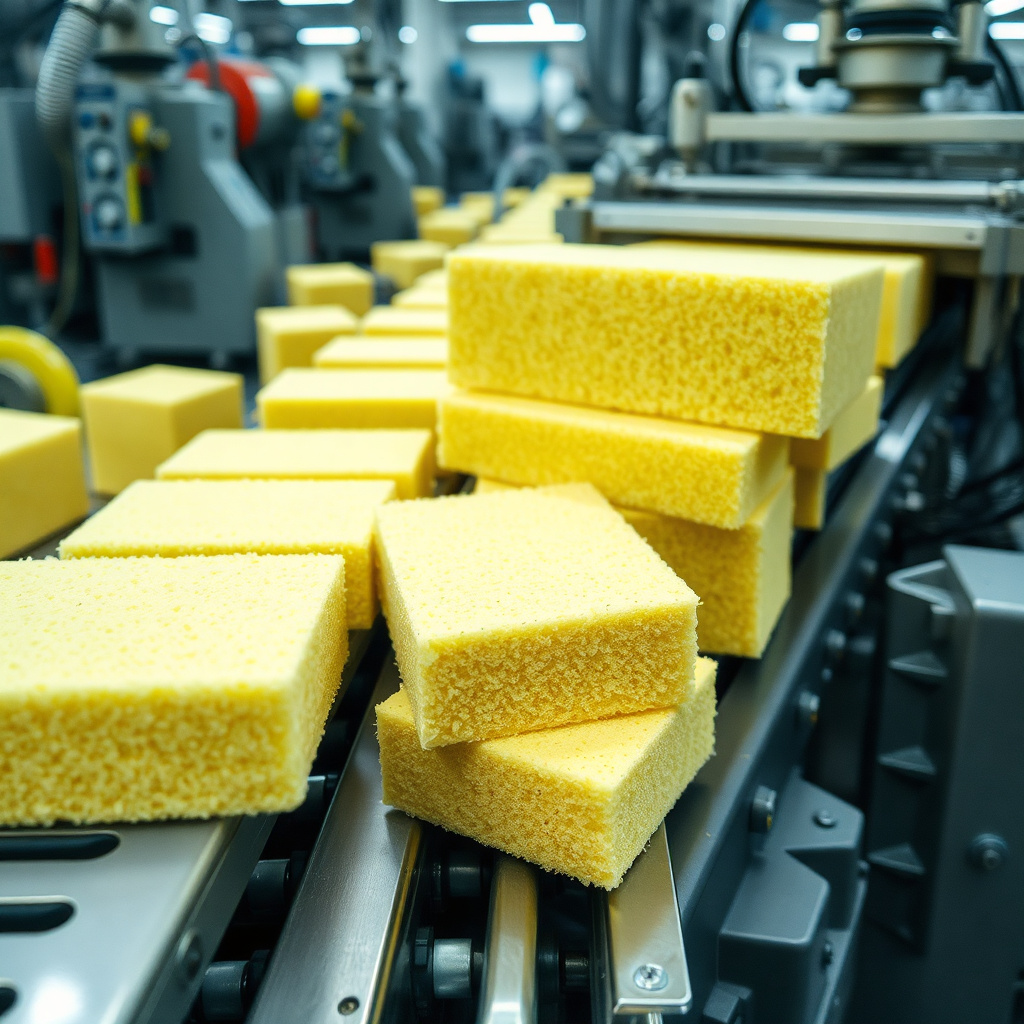
After preparing cellulose pulp or synthetic foam sheets, the material is cut into large blocks or rolls. These blocks are then sliced into smaller, standardized sponge shapes using automated cutting machines.
Precision cutting ensures uniform size and thickness, crucial for packaging and retail. Additional shaping can include contouring or covering raw edges to create ergonomic sponges.
- automated cutting machines
- standardized sizing
- optional ergonomic shaping
Adding Scrubbing Layers and Packaging
Once the sponge base is shaped, manufacturers attach an abrasive scrubbing pad using adhesive or thermal bonding. These pads are often made from nylon, polyester, or recycled materials to provide effective scrubbing action.
Finally, sponges undergo quality checks and are packaged individually or in sets with protective wrapping to prevent contamination before reaching consumers.
- adhesive bonding
- thermal bonding
- quality inspection
- individual packaging
Types of Kitchen Sponges and Their Uses
Cellulose vs. Synthetic Sponges
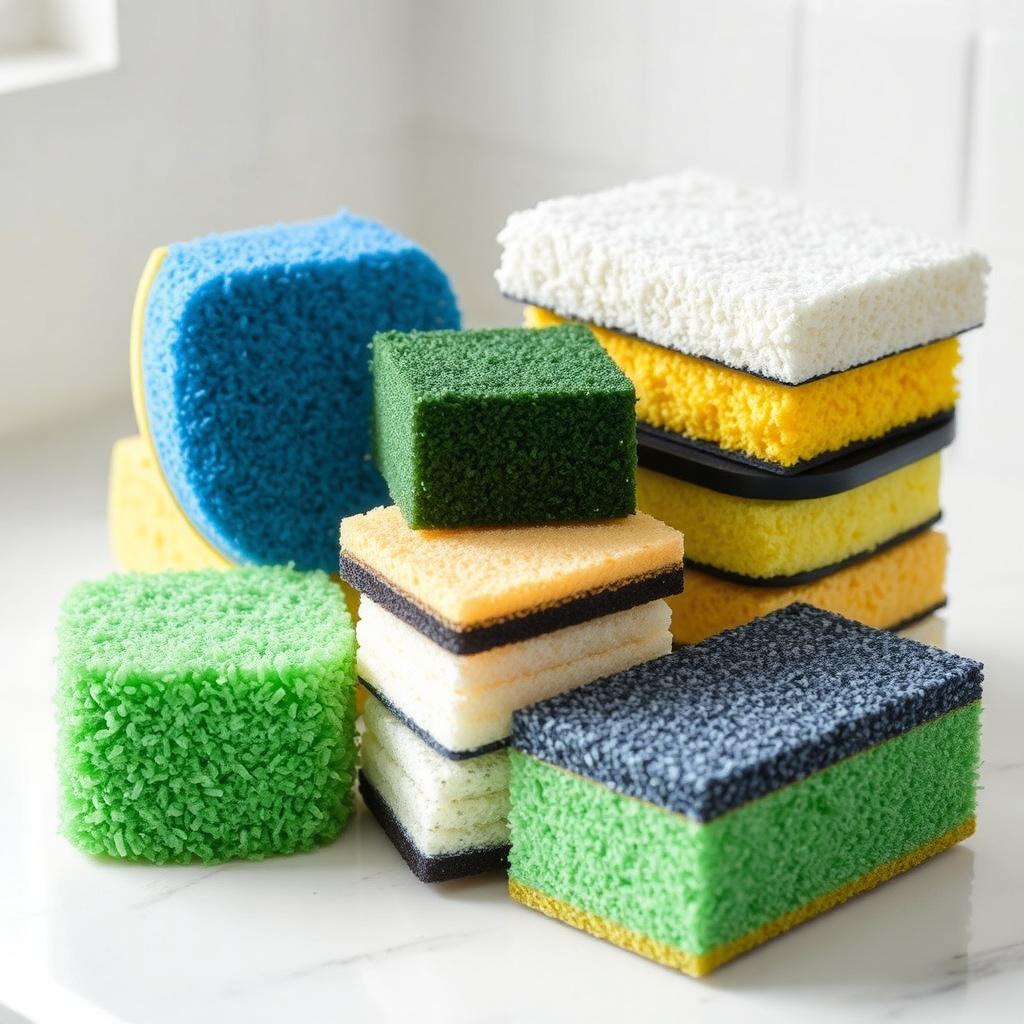
Cellulose sponges are prized for their natural composition, high absorbency, and biodegradability, making them suitable for everyday light cleaning and environmentally conscious consumers.
Synthetic sponges tend to be more durable, resist odors better, and have longer lifespans, which suits heavier cleaning needs and frequent use scenarios.
- cellulose: absorbent and eco-friendly
- synthetic: durable and odor-resistant
For more on this, see our related guide: 10 Tips to Organize Kitchen Cabinets and Drawers Efficiently.
Specialty Sponges for Specific Tasks
Some kitchen sponges include antimicrobial treatments to reduce bacteria buildup, while others have extra coarse scrubbers for stubborn stains on pots and pans.
There are also biodegradable synthetic sponges combining durability with environmental considerations, and sponges designed specifically for delicate surfaces like glass or nonstick cookware.
- antimicrobial treatments
- coarse scrubbers
- biodegradable synthetics
- specialty surface sponges
Environmental and Safety Considerations in Sponge Production
Biodegradability and Waste Impact
Cellulose sponges break down naturally when disposed of, reducing landfill impact. However, synthetic sponges may take decades to decompose and contribute to microplastic pollution if improperly discarded.
Manufacturers are increasingly offering biodegradable synthetic options or recycling programs to lessen environmental harm associated with kitchen sponge disposal.
Health and Hygiene Factors
Kitchen sponges can harbor bacteria if not properly cleaned or replaced regularly, regardless of the material. Production processes may also incorporate antimicrobial agents to reduce microbial growth during use.
Consumers should be aware of how to maintain their sponges, such as frequent sanitizing or swapping them out periodically to avoid cross-contamination.
- regular sanitizing
- proper sponge replacement
- use of antimicrobial agents
Innovations and Trends in Kitchen Sponge Manufacturing

Eco-Friendly Manufacturing Advances
Recent trends focus on using renewable materials, like bamboo fibers or recycled plastics, to produce sponges with smaller environmental footprints.
Manufacturers are adopting water-efficient processes and avoiding harmful chemicals to improve sustainability throughout production.
- renewable raw materials
- recycled inputs
- reduced chemical use
For more on this, see our related guide: How to Clean a Kitchen Sink in 3 Easy Steps.
Design Improvements for Functionality
Ergonomic shapes, dual-layer constructions combining soft absorbent and stiff abrasive materials, and color-coded sets for specific tasks enhance user convenience and sponge lifespan.
Some companies incorporate antibacterial coatings or slow-release cleaning agents within the sponge to improve hygiene and efficiency.
- ergonomic design
- dual-layer sponges
- color coding
- embedded cleaning agents
Maintaining and Extending the Life of Your Kitchen Sponge
Proper Cleaning and Sanitizing Techniques
Regularly rinsing sponges and microwaving damp sponges for one to two minutes can kill bacteria and prolong usability. Dishwashers also effectively sanitize kitchen sponges using high heat.
Avoid letting sponges sit damp and closed in confined spaces to prevent bacterial growth and odors.
- rinse thoroughly after use
- microwave damp sponge safely
- sanitize in dishwasher
For a detailed overview of different sponge types and materials, the Kitchen sponge Wikipedia page offers comprehensive background information. Kitchen sponge Wikipedia page.
When to Replace Your Kitchen Sponge
Despite maintenance, sponges degrade and accumulate bacteria over time. Experts recommend replacing kitchen sponges every one to two weeks depending on frequency of use and tasks performed.
Signs to replace include persistent odors, visible wear, disintegration, or staining that cannot be removed through cleaning.
- replace every 1–2 weeks
- watch for odors and wear
- discard when heavily stained
Kitchen Sponge Material Comparison
Here’s a breakdown of different kitchen sponge types comparing key features such as absorbency, durability, environmental impact, and best uses.
| Material | Absorbency | Durability | Environmental Impact | Best Use |
|---|---|---|---|---|
| Cellulose | High | Moderate | Biodegradable | Light everyday cleaning |
| Synthetic Foam | Moderate | High | Non-biodegradable | Heavy-duty scrubbing |
| Antimicrobial Treated | Moderate | High | Varies | Extended hygiene needs |
| Biodegradable Synthetic | Moderate | Moderate | Biodegradable | Eco-conscious consumers |
| Specialty Surface Sponges | Varies | Varies | Varies | Delicate/nonstick cookware |
Frequently Asked Questions
Are all kitchen sponges made with synthetic materials?
No, kitchen sponges can be made from natural cellulose fibers or synthetic materials like polyurethane foam, each with different benefits and environmental effects.
What makes a kitchen sponge antibacterial?
Antibacterial sponges include additives or coatings that inhibit bacterial growth, helping to keep the sponge cleaner and reduce odors during use.
How often should I replace my kitchen sponge?
It’s generally recommended to replace kitchen sponges every one to two weeks, especially if they develop odors, stains, or show signs of wear.
Can kitchen sponges cause bacteria buildup?
Yes, sponges can harbor bacteria if not cleaned or dried properly; however, regular sanitizing methods like microwaving or dishwashing can reduce this risk.
Are biodegradable kitchen sponges as effective as synthetic ones?
Biodegradable sponges perform well for most cleaning tasks but may have less durability than synthetic options, requiring more frequent replacement.
Key Takeaways
- Kitchen sponges are primarily made from cellulose fibers or synthetic polyurethane foam.
- The manufacturing process involves shaping the sponge base and attaching scrubbing layers.
- Different sponge materials cater to varying cleaning needs and environmental preferences.
- Proper sponge maintenance and timely replacement are important for hygiene and performance.
Conclusion
Choosing a kitchen sponge starts with understanding the materials and manufacturing process behind it. Whether opting for natural cellulose for its absorbency and biodegradability or synthetic foam for its durability and scrubbing power, knowing how these sponges are made helps select the right product for your cleaning habits and values. Beyond material choice, the sponge’s layered design and construction influence its effectiveness and lifespan, which ties directly to production methods.
For those prioritizing eco-friendliness, cellulose sponges and biodegradable synthetic alternatives provide effective cleaning with reduced environmental impact. Alternatively, synthetic sponges with antimicrobial treatments and heavy-duty scrubbing layers are suitable for tougher kitchen tasks and longer durability. Specialty sponges designed for specific surfaces or needs further personalize the choice. Recognizing your typical kitchen usage will guide whether to prioritize durability, softness, or sustainability.
After selecting a kitchen sponge type, maintaining it properly extends usability and keeps it hygienic. Routine rinsing, sanitizing via microwaving or dishwashing, and replacing sponges every one to two weeks ensure safety and performance. With these insights, you can confidently pick and care for your kitchen sponges, balancing cleaning power with health and environmental considerations.