How to Get Rid of Ants from Your Kitchen: Effective Methods That Work
To get rid of ants from your kitchen, start by identifying and removing their entry points and food sources. Clean all surfaces thoroughly, store food in sealed containers, and use targeted ant baits or natural repellents to eliminate the colony. Persistent treatment is key to stopping ants from returning.
Ants invade kitchens searching for food and water, so maintaining cleanliness and denying access drastically reduces their presence. This matters because ants can contaminate food and cause distress, and controlling them promptly prevents larger infestations that are more difficult to manage.
This article will explore practical strategies, including chemical and natural options, preventive tips, and cleaning routines that help eliminate ants effectively. You’ll learn how to spot different ant types, safe treatment methods, and long-term maintenance to keep your kitchen ant-free.
Identifying Ant Species Common in Kitchens
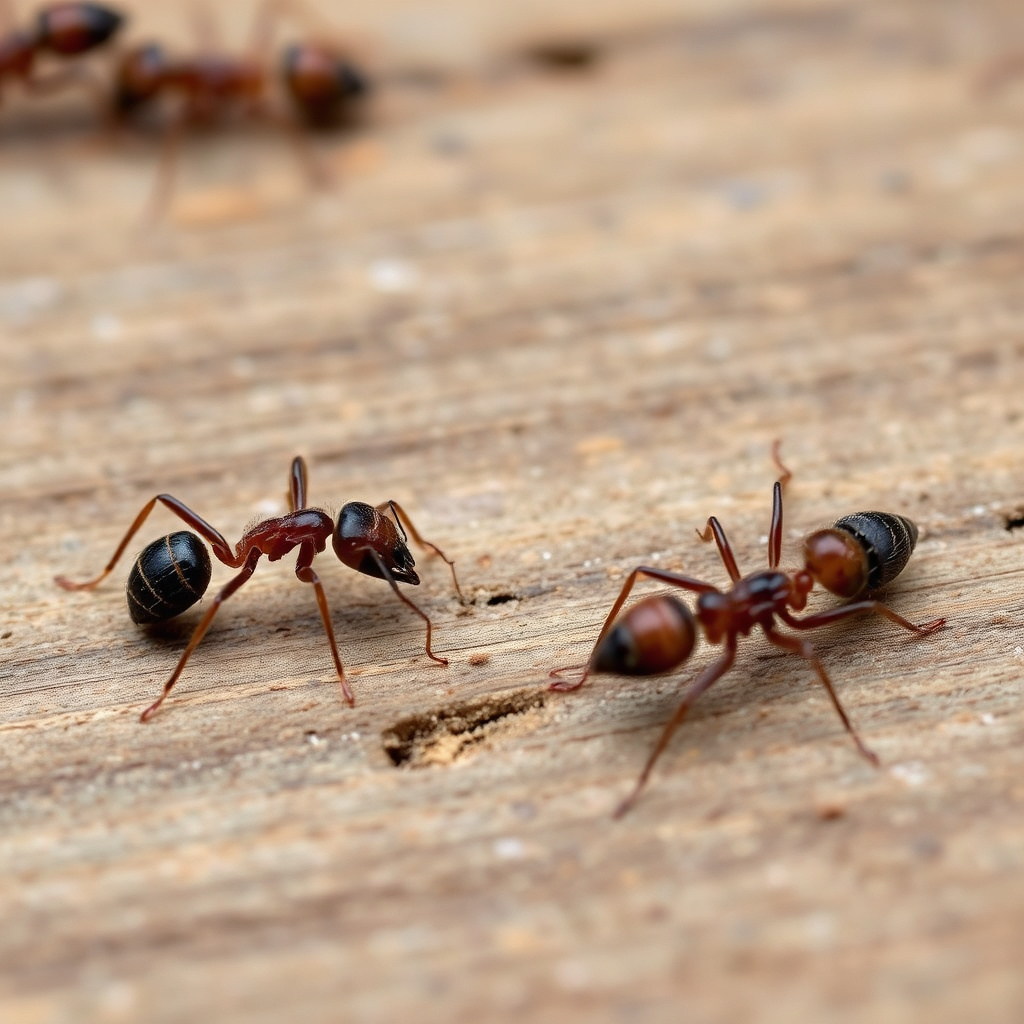
Odorous House Ants
Odorous house ants are small, dark brown ants that release a distinct coconut-like odor when crushed. They commonly invade kitchens searching for sugary and greasy foods, often forming trails that can lead to food sources.
Knowing how to identify odorous house ants helps target treatments effectively, as they tend to enter through tiny cracks and crevices around sinks and doorways.
Carpenter Ants
Carpenter ants are larger, usually black or dark red, and tend to nest in wood structures rather than among food. They can cause damage by hollowing out wood to create nests, which might be located near kitchen cabinets or walls.
Recognizing carpenter ants in the kitchen is important because treatment focuses on locating and eliminating nests as well as controlling foraging ants.
Cleaning and Food Storage Habits to Deter Kitchen Ants
Effective Cleaning Strategies
Regularly wiping down countertops, sweeping floors, and cleaning up spills immediately remove food residues that attract ants. Paying attention to hidden spots, such as under appliances and along baseboards, helps eliminate crumbs and sticky residues.
Using vinegar or soapy water for cleaning surfaces can disrupt ant scent trails and discourage their return, reducing the likelihood of infestations.
- Wipe counters with vinegar solution
- Sweep and mop kitchen floors daily
- Clean under appliances regularly
- Dispose of garbage frequently
For more on this, see our related guide: 10 Ways How to Finance Kitchen Renovation in 2027 Best Guide.
Proper Food Storage Techniques
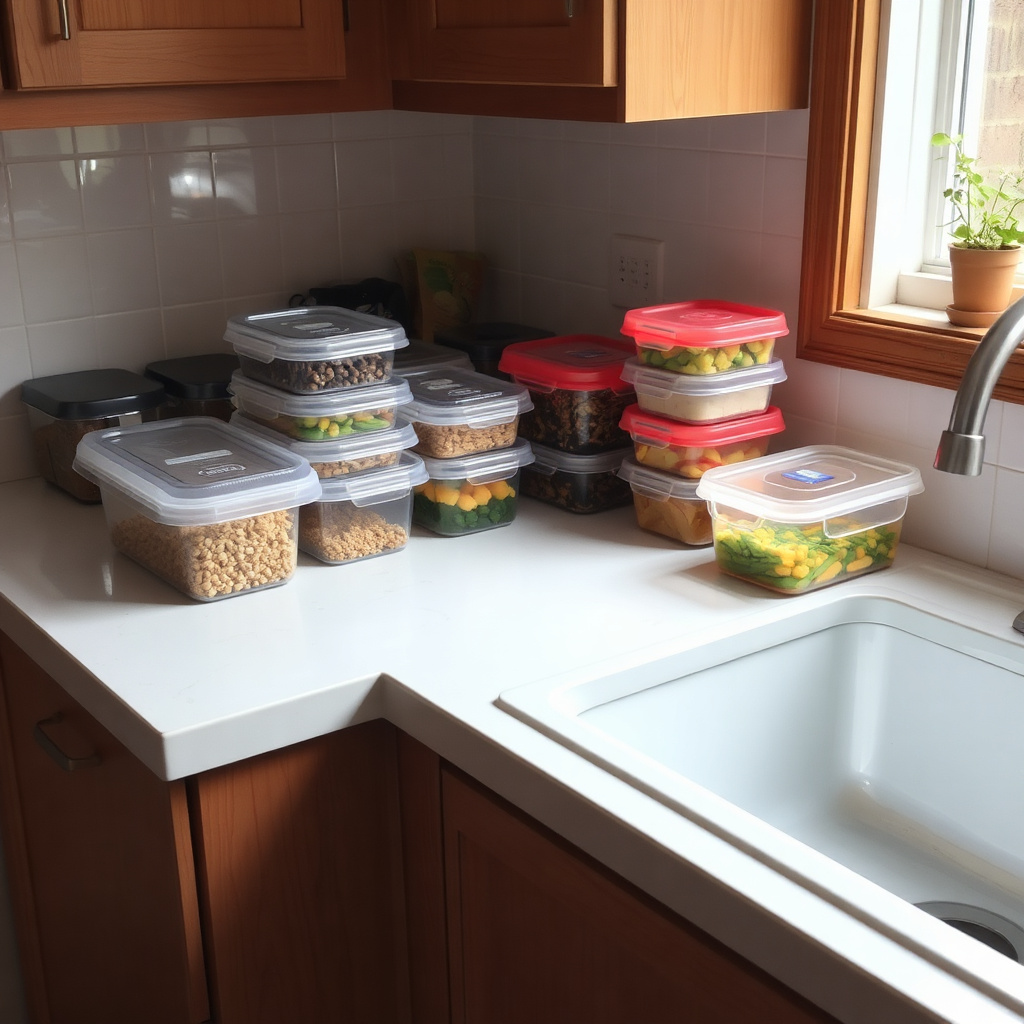
Storing food in airtight containers denies ants access to their main attractants—crumbs and spills. Glass or hard plastic containers with secure lids are best for pantry staples like sugar, flour, and pet food.
Refrigerate perishable items promptly, and avoid leaving out fruits or sweet liquids exposed, which can draw ants from nearby colonies.
- Seal snacks and cereals tightly
- Keep ripe fruits in fridge
- Clean food container edges
- Avoid open pet food bowls
Natural Ant Repellents for Kitchen Use
Essential Oils and Aromatics
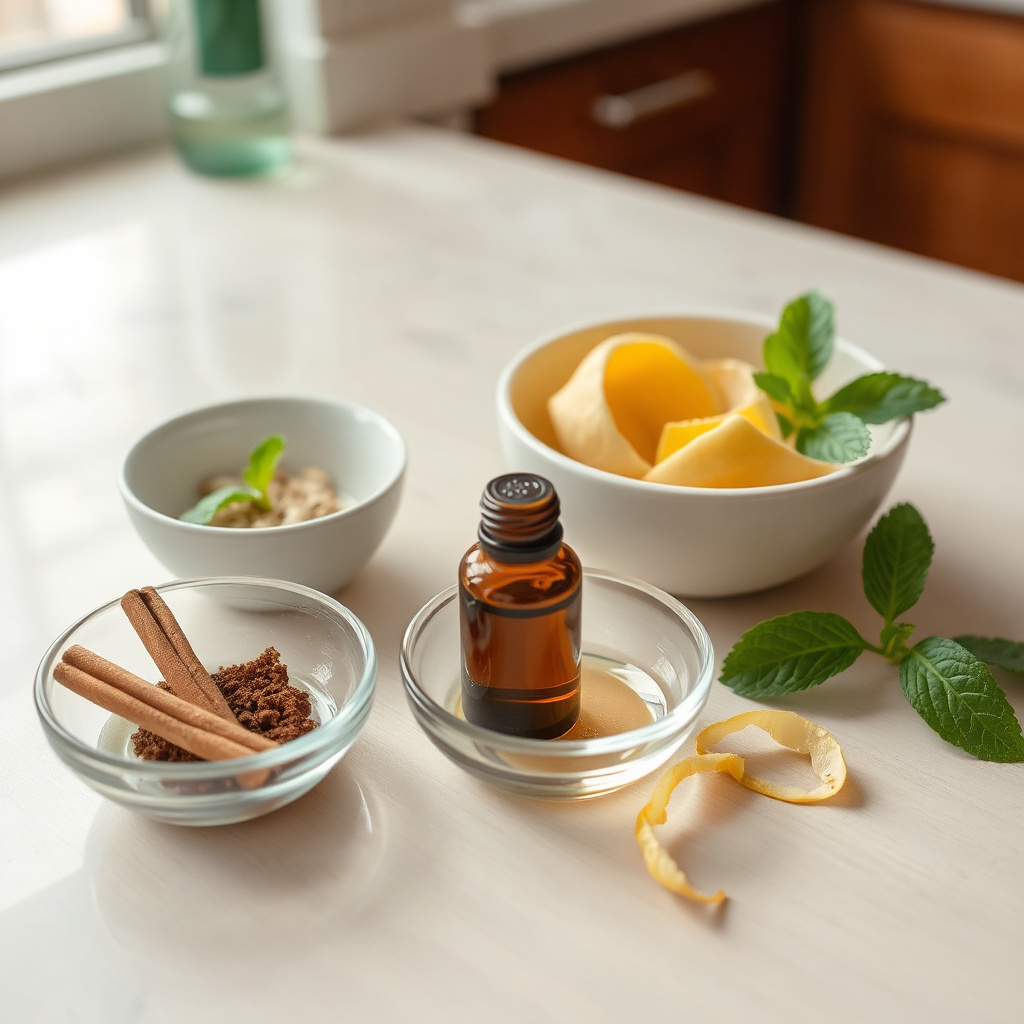
Essential oils such as peppermint, tea tree, and eucalyptus act as natural ant repellents. Applying diluted oils along ant trails, doorways, and windowsills disrupts their navigation and deters entry.
Similarly, strong-smelling spices like cinnamon or cloves placed near typical ant access points create an inhospitable environment without harsh chemicals.
- Peppermint oil spray on entryways
- Cinnamon sticks near baseboards
- Lemon juice on countertops
Homemade Barrier Solutions
A mixture of vinegar and water sprayed along ant paths breaks down scent trails ants use to communicate. Lemon juice offers similar effects while adding pleasant scent to the kitchen environment.
Chalk or diatomaceous earth sprinkled near entry points works as a physical barrier that ants avoid crossing, assisting in long-term prevention.
- Spray vinegar-water solution
- Apply lemon juice to crevices
- Place chalk lines near doors
- Use diatomaceous earth powder carefully
Using Chemical Treatments and Baits Safely
Selecting Appropriate Ant Baits
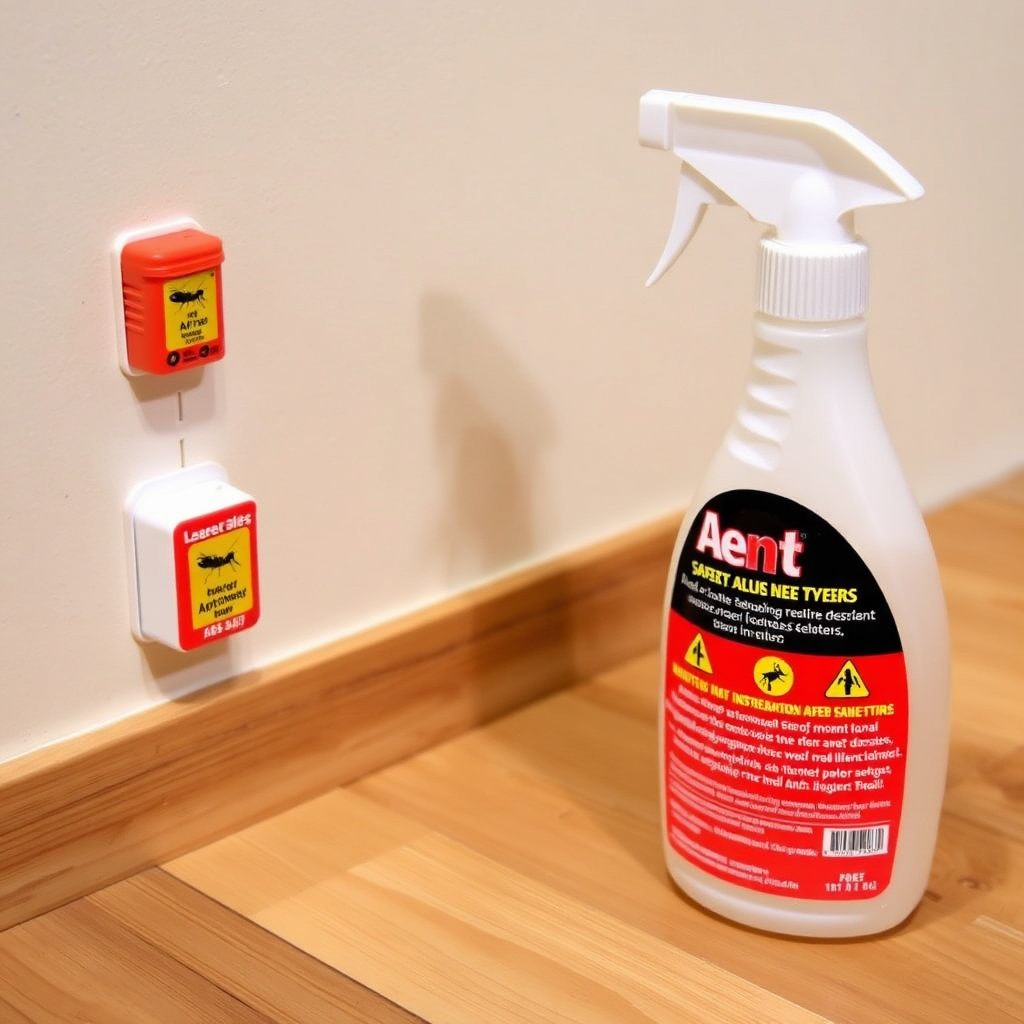
Ant baits contain slow-acting poisons mixed with attractants that worker ants carry back to their colony, effectively eliminating the entire nest. Choosing baits specific to the ant species in your kitchen increases effectiveness.
Place bait stations along ant trails and avoid spraying insecticide directly on baits, as it can repel the ants and reduce bait uptake.
- Use gel baits for indoor use
- Place baits near trails and entry points
- Avoid contamination with insecticides
For more on this, see our related guide: How to Fit a Kitchen in 3 Simple Steps.
Safe Application of Insecticides
Insecticides like sprays or powders should be applied according to label instructions to target foraging ants without risking health hazards. Focus treatments on cracks, crevices, and baseboards where ants enter and travel.
Keep children and pets away during and after application, and ensure good ventilation to minimize exposure to chemical fumes.
- Apply in small, targeted amounts
- Follow safety warnings on labels
- Avoid direct contact with food and utensils
Long-Term Prevention and Kitchen Maintenance

Sealing Entry Points and Structural Repairs
Inspect the kitchen regularly for cracks, gaps, or damaged seals around windows, doors, and plumbing fixtures. Applying caulk or weather stripping prevents ants from finding hidden access routes.
Repair or replace damaged wood or cabinetry where carpenter ants might nest to stop infestations before they begin.
- Caulk gaps and cracks
- Install door sweeps
- Fix leaks promptly
For a detailed scientific overview of ant control methods, see this comprehensive article. ant control methods overview.
Routine Monitoring and Cleanliness
Set up a schedule to clean kitchen surfaces daily, check for new ant activity weekly, and refresh repellents or baits as needed. Maintaining vigilance prevents small ant problems from growing into infestations.
Keep kitchen dry and free of standing water sources like leaks or spills which can attract ants searching for moisture.
- Daily surface cleaning routines
- Weekly inspection for ants
- Regularly refresh repellents and baits
Comparison of Kitchen Ant Control Methods
Here’s a quick comparison of common ant control methods to help you decide which suits your kitchen needs best.
| Method | Effectiveness | Ease of Use | Safety for Kids/Pets | Cost |
|---|---|---|---|---|
| Natural Repellents (oils, spices) | Moderate | Easy | Very safe | Low |
| Ant Baits | High | Moderate | Moderate | Moderate |
| Insecticide Sprays | High | Easy | Low | Moderate |
| Sealing Entry Points | Preventative | Moderate | Very safe | Low |
| Homemade Barrier Solutions | Moderate | Easy | Very safe | Low |
Frequently Asked Questions
Can I use vinegar to get rid of ants in my kitchen?
Yes, vinegar disrupts ant scent trails and can deter ants when sprayed on floors, counters, and entry points. It’s a natural, non-toxic option that breaks their navigation paths, but repeated application is necessary for best results.
Are ant baits safe to use around children and pets?
Many ant baits are designed to be safer than sprays but still require careful placement out of reach of children and pets. Always follow label instructions and monitor areas where baits are placed.
Why do ants keep coming back despite cleaning?
Ants may return if their nest remains undisturbed or if new food sources are accessible. Cleaning helps reduce attraction, but eliminating the colony with baits or sealing entry points is needed for long-term control.
What natural substances repel ants effectively?
Peppermint oil, cinnamon, lemon juice, and diatomaceous earth are well-known natural substances that ants avoid. Applying them near entry points creates barriers that discourage ants without chemicals.
How long does it take to get rid of ants in the kitchen?
The timeframe varies depending on infestation size and method used. With consistent cleaning, baiting, and sealing, noticeable reduction can occur in days to weeks, but stubborn infestations may need longer treatment.
Key Takeaways
- Identify ant species to target treatment effectively.
- Maintain cleanliness and store food securely to reduce attractants.
- Use natural repellents and chemical baits judiciously for removal.
- Seal entry points and monitor regularly to prevent re-infestations.
Conclusion
Deciding how to get rid of ants from your kitchen depends largely on understanding where ants are coming from and what attracts them. A methodical combination of sanitation, targeted baiting, and sealing gaps covers both immediate eradication and long-term prevention. Addressing the problem from multiple angles yields the best results, especially in a space as vulnerable as the kitchen.
For light ant problems, natural ant repellents for kitchen use such as peppermint oil or vinegar solutions offer safe and effective deterrents. When facing larger or persistent infestations, incorporating ant baits designed for indoor use alongside spot treatments with insecticides can break the colony cycle. Sealing holes and maintaining dryness complements these methods by cutting off access and nesting opportunities.
Start by thoroughly cleaning your kitchen and removing food sources, then choose appropriate repellents or baits based on your preference and safety needs. Monitor ant activity closely and refresh treatments as necessary to keep your kitchen ant-free over time. With patience and persistent effort, you can protect your home from these unwelcome invaders effectively.