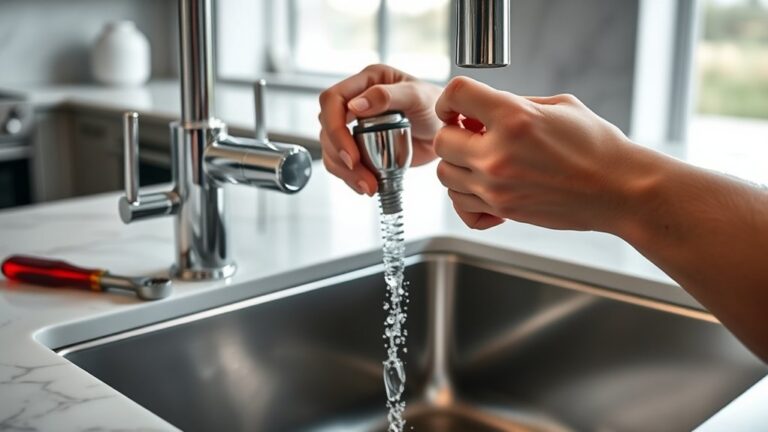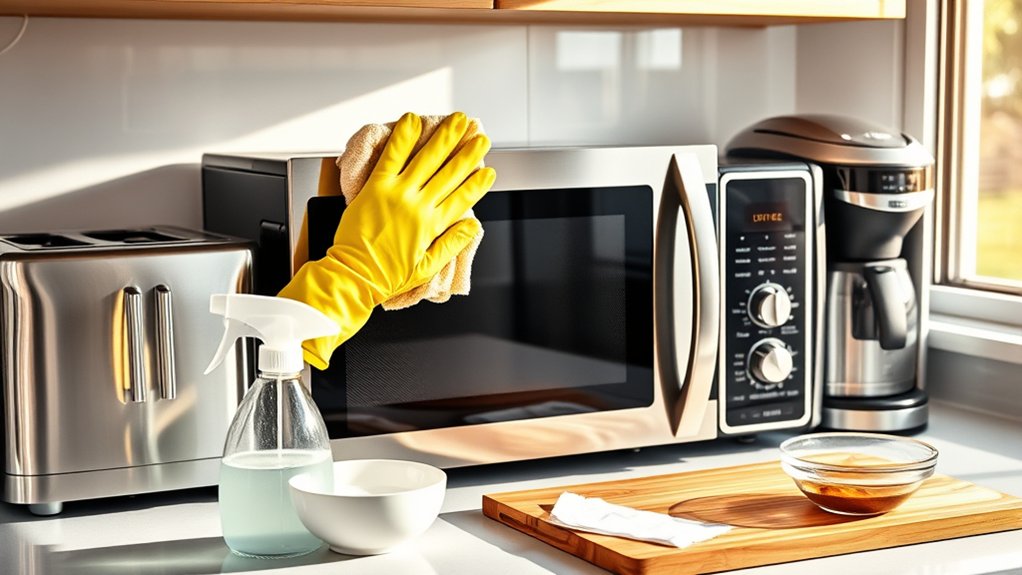
How to Clean Kitchen Appliances in 5 Easy Steps
Keeping kitchen appliances clean can feel like a never-ending chore, especially when grease, crumbs, and grime build up in hard-to-reach spots. You’re not alone—many people struggle to keep their appliances looking fresh and working efficiently.
These simple kitchen appliance cleaning tips can help you maintain your microwave, toaster, filters, and seals without harsh chemicals or complicated steps. Start by gathering gentle cleaning supplies like microfiber cloths, mild detergent, and vinegar.
Always unplug appliances before cleaning. Steam clean your microwave and brush out toaster crumbs without water. Use natural solutions like vinegar and baking soda to tackle grease safely.
Don’t forget small brushes and cotton swabs for tight spots, and regularly check filters and seals to keep everything running smoothly.
Keep these steps in mind, and you’ll easily maintain your kitchen appliances’ efficiency and lifespan. Want tips on detailed care?
Key Takeaways
- Gather gentle cleaning supplies like microfiber cloths, mild detergent, vinegar, baking soda, and brushes before starting.
- Unplug appliances, clean microwaves with steam, and remove crumb trays from toasters without immersing them in water.
- Use a vinegar and water solution to remove grease naturally, applying baking soda to tough spots.
- Clean removable parts and hard-to-reach areas with small brushes, cloths, and cotton swabs to remove grime thoroughly.
- Perform routine maintenance checks on seals, vents, and filters to extend appliance life and prevent breakdowns.
Get Your Cleaning Supplies Ready
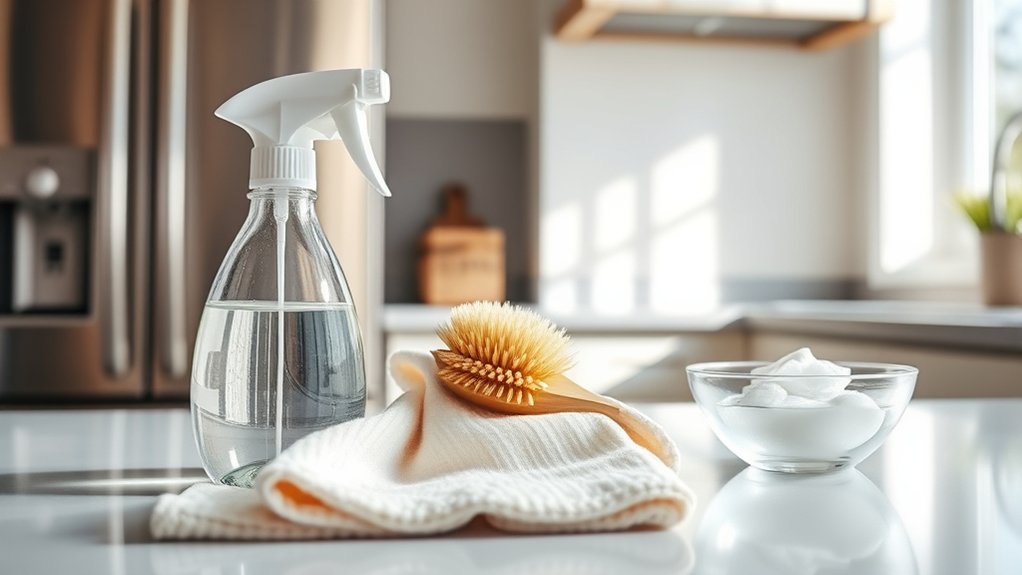
Before you start cleaning, gather the essential supplies you’ll need. Having everything on hand makes the process smoother and helps you stick to effective cleaning techniques.
Gather all your cleaning supplies first to ensure a smooth, efficient, and effective process.
You’ll want microfiber cloths, a soft-bristle brush, mild detergent, white vinegar, baking soda, and a spray bottle filled with water. These items cover most kitchen appliances without risking damage.
Don’t forget gloves to protect your hands, and a small vacuum or brush for dust and crumbs. Proper appliance maintenance starts with using the right tools and solutions that won’t harm surfaces or internal components.
Avoid harsh chemicals that can degrade finishes or electrical parts.
Clean Your Microwave and Toaster Safely
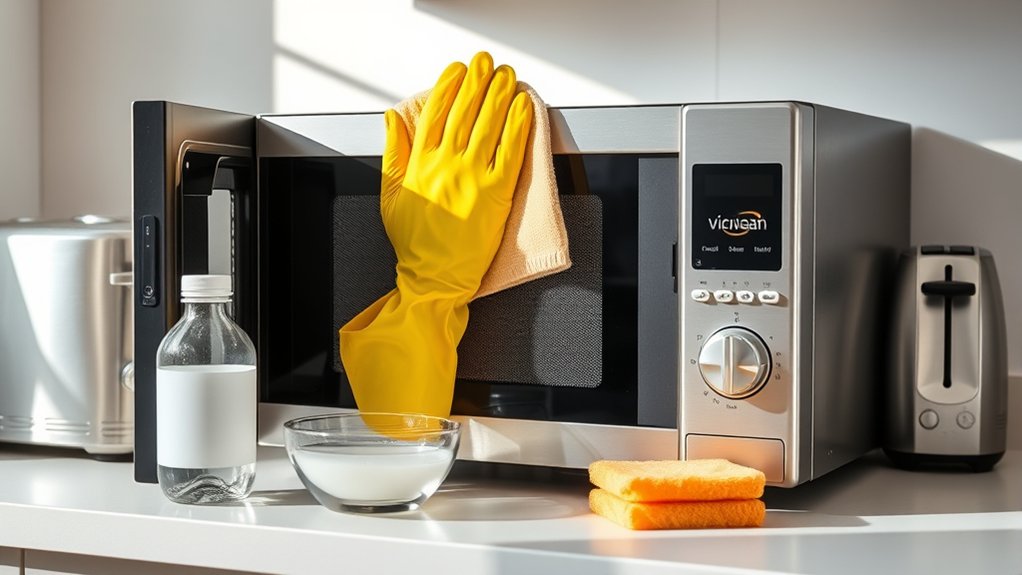
When you clean your microwave and toaster, you’ll want to focus on removing food residue and crumbs without damaging their delicate parts. Start by unplugging both appliances to guarantee your safety.
For microwave safety, avoid using abrasive cleaners or metal scrubbers that can scratch the interior. Instead, steam-clean it by heating a bowl of water with lemon juice for a few minutes, then wipe down with a soft cloth. This loosens grime and deodorizes naturally.
For toaster maintenance, unplug it and remove the crumb tray to empty out crumbs, preventing potential fire hazards. Use a soft brush to clean inside the slots gently, avoiding water contact with electrical parts. Never immerse your toaster in water.
Regularly cleaning both appliances this way keeps them efficient and extends their lifespan while prioritizing microwave safety and toaster maintenance.
Remove Grease From Kitchen Appliances Without Harsh Chemicals
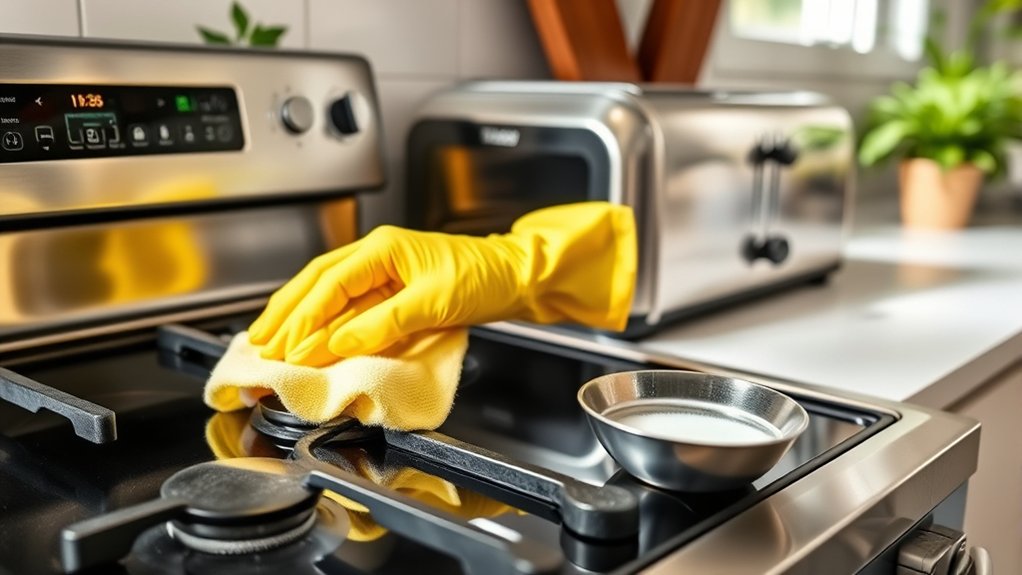
Keeping your microwave and toaster clean is a great start, but grease buildup on other kitchen appliances can be stubborn and tricky to remove. You don’t have to reach for harsh chemicals to tackle this problem.
Instead, try natural cleaning methods that protect your appliances and the environment. Mix equal parts white vinegar and water in a spray bottle. This eco friendly solution cuts through grease effectively without leaving harmful residues.
Spray the solution onto greasy surfaces, let it sit for a few minutes, then wipe clean with a microfiber cloth.
For tougher spots, sprinkle baking soda on the area before spraying the vinegar mixture. The gentle abrasion helps lift grime without damaging your appliances.
These natural cleaning techniques keep your kitchen safe, fresh, and chemical-free. They prove that you can maintain a spotless space while using eco friendly solutions that respect both your home and the planet.
Tackle Appliance Parts and Hard-to-Reach Spots
Although the main surfaces of your kitchen appliances get plenty of attention, it’s the hidden parts and tight corners that often collect the most grime. To keep your appliances in top shape, focus on these areas regularly as part of your appliance maintenance routine.
Use specialized cleaning tools like small brushes, microfiber cloths, and cotton swabs to reach narrow gaps, vents, and crevices where dirt tends to hide. Detach removable parts like knobs, trays, and filters, then soak or scrub them gently to remove buildup.
Don’t forget to clean behind and underneath appliances, where dust and crumbs can accumulate unnoticed. For stubborn spots, dampen your cleaning tools with a mild detergent solution to lift grime without damaging surfaces.
Keep Your Appliances Running Smoothly
To guarantee your kitchen appliances run smoothly, perform regular maintenance beyond just cleaning. Following proper maintenance routines and consistent cleaning schedules helps prevent breakdowns and extends the life of your devices.
Check seals, vents, and filters often, and address minor issues immediately to avoid costly repairs.
Here’s a simple maintenance checklist to keep handy:
| Task | Frequency |
|---|---|
| Clean refrigerator coils | Every 6 months |
| Inspect oven door seals | Monthly |
| Clear dishwasher filters | Weekly |
| Check microwave vents | Monthly |
Frequently Asked Questions
Can I Use Vinegar to Clean Stainless Steel Appliances?
Yes, you can use vinegar to clean stainless steel appliances. Vinegar benefits your cleaning routine by cutting through grease and removing fingerprints without harsh chemicals.
When you spray diluted vinegar onto the surface, it helps restore shine and disinfect at the same time. Just avoid using it full-strength to prevent damage.
Wipe with a soft cloth following the grain of the stainless steel for the best results and a streak-free finish.
How Often Should I Deep Clean My Refrigerator?
Imagine your refrigerator like a bustling city—each week, crumbs and spills are like tiny messes piling up. You should deep clean your fridge every three to four months to keep it fresh and running smoothly. Sticking to this cleaning frequency helps prevent odors and bacteria buildup. Regular refrigerator maintenance not only keeps your food safe but also extends your appliance’s life, saving you money and hassle down the road.
Is It Safe to Clean Appliances With Bleach?
You can use bleach safely to clean appliances, but you need to be careful. Bleach safety matters because it’s a strong chemical that can cause appliance damage if used improperly.
Always dilute bleach with water and avoid mixing it with other cleaners. Use it sparingly on surfaces that tolerate harsh chemicals, and never let it sit too long.
Rinse thoroughly afterward to protect your appliances and keep them in good shape.
What Is the Best Way to Clean Appliance Cords?
The best way to clean appliance cords is to unplug them first for safety precautions. Use a soft cloth slightly dampened with a mixture of mild detergent and water to gently wipe the cords.
Avoid soaking or using harsh chemicals to prevent damage. Regular cord maintenance helps prevent fraying and electrical hazards.
Always let the cords dry completely before plugging them back in to guarantee your safety and keep your appliances working properly.
Can I Run Appliance Parts Through the Dishwasher?
You can run some appliance parts through the dishwasher, but always check the manufacturer’s guidelines first to avoid damage. Dishwasher-safe parts usually include removable trays or lids made of durable plastic or metal.
For appliance maintenance, avoid putting electrical components or delicate parts in the dishwasher. Follow cleaning tips like hand-washing sensitive pieces to keep your appliances in great shape and extend their lifespan.
Conclusion
Just like a well-tuned orchestra, your kitchen appliances perform best when everything’s clean and in harmony. By gathering your supplies, tackling grime gently, and reaching every nook, you keep your kitchen humming smoothly.
Remember, a little care goes a long way. Think of it as your own Cinderella moment, turning everyday chores into sparkling results.
With these simple steps for how to clean kitchen appliances, they’ll work efficiently and look their best every day.