10 Costs to Know About How Much It Costs to Remodel a Kitchen
Remodeling a kitchen can feel overwhelming, especially when costs start adding up faster than expected. You’re not alone—many homeowners struggle to create a realistic budget while balancing style, function, and unexpected repairs.
When you remodel your kitchen, you’ll face costs like permits, labor, cabinets, appliances, countertops, flooring, lighting, and plumbing or electrical upgrades. Cabinets can take up to 40% of your budget, while permits and inspections vary by location.
Don’t forget unexpected expenses like hidden repairs that can raise costs. Planning for these ten expenses helps you avoid surprises and keeps your project on track.
Keep going to uncover how each factor shapes your overall budget.
Key Takeaways
- Kitchen remodels typically cost between $10,000 for basic updates and $50,000+ for high-end designs with custom features.
- Cabinets and storage usually consume 30%-40% of the total budget, with costs varying by stock, semi-custom, or custom options.
- Permits and inspections add $300-$1,400 in fees and require careful scheduling to avoid project delays and fines.
- Appliances and lighting can account for 20%-30% of the budget, with energy-efficient models costing more upfront but saving long-term.
- Labor rates range from $50 to $150 per hour, influenced by project complexity, location, and specialized contractor needs.
How Much Does a Kitchen Remodel Typically Cost?
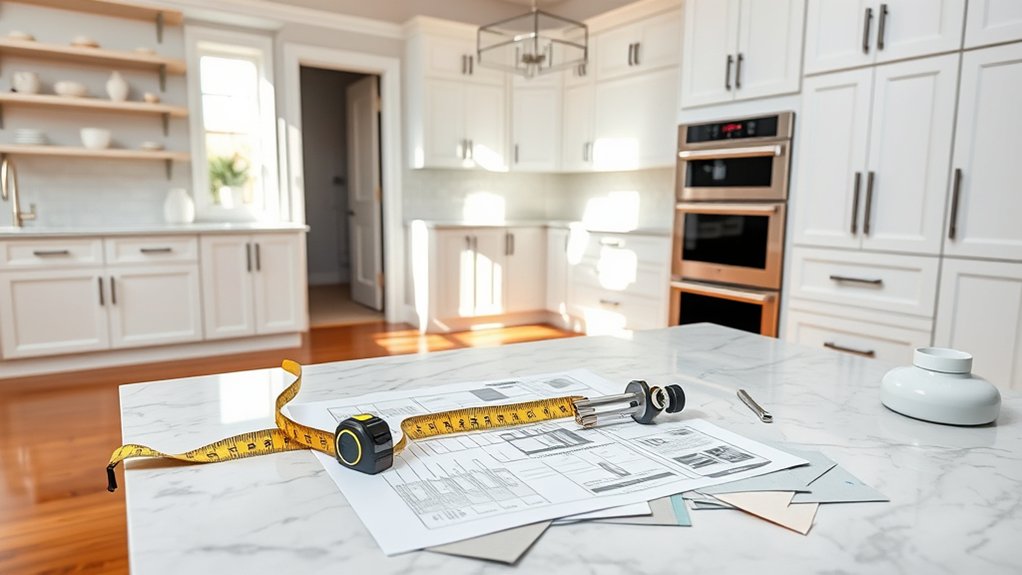
When planning your kitchen remodel, the cost is likely your first concern. How much you’ll spend depends heavily on your kitchen design and material selection.
A simple layout update with cost-effective materials can keep expenses lower, typically ranging from $10,000 to $20,000. However, a more complex kitchen design with custom cabinetry, high-end appliances, and premium countertops can easily cost $50,000 or more.
Material selection also plays an essential role. Choosing granite or quartz over laminate, for example, can significantly impact your budget.
The size of your kitchen and the extent of any structural changes will also affect the total cost. Don’t forget that labor fees vary by region.
Kitchen Remodel Permits and Inspection Fees to Expect

Before you start your kitchen remodel, you’ll need to get the right permits. The requirements can vary depending on the type and scope of your project.
You’ll also need to schedule inspections at different stages of the work to make sure everything meets local building codes. Permit and inspection fees vary based on your location and the details of the remodel.
Permit Types Needed
Although remodeling a kitchen can be exciting, you’ll need to secure the proper permits to keep the project on track and avoid costly fines. Understanding the permit types needed plays a vital role as you update your kitchen design and incorporate the latest remodeling trends.
Typically, permits guarantee your project meets safety and building codes.
Here are the common permit types you might need:
- Building Permit: For structural changes like removing walls or adding windows.
- Electrical Permit: Required if you’re upgrading wiring or installing new lighting fixtures.
- Plumbing Permit: Needed when relocating sinks, dishwashers, or adding water lines.
Securing these permits upfront saves you from delays and guarantees your kitchen remodel complies with local regulations, keeping your investment protected.
Inspection Scheduling Process
Since you’ve secured the necessary permits, you’ll need to schedule inspections at key points throughout your kitchen remodel. The inspection process guarantees your work meets local building codes and safety standards before moving forward.
You’ll typically schedule inspections after major steps like electrical wiring, plumbing installation, and framing. Understanding the scheduling procedures is essential; many municipalities allow you to book inspections online or by phone.
Make sure to confirm the inspector’s availability and any required documentation before the appointment. Timely scheduling prevents project delays and potential fines.
Staying organized with your inspection timeline keeps your remodel on track and compliant. This helps you avoid unexpected setbacks and additional costs during your kitchen upgrade.
Typical Fee Ranges
When planning your kitchen remodel, understanding the typical fees for permits and inspections can help you budget effectively. These costs vary by location but generally fall within a predictable range.
You’ll want to factor these fees in alongside expenses for kitchen decor and appliance maintenance to avoid surprises.
Here’s what to expect:
- Permit fees typically range from $200 to $1,000, depending on the project’s scope.
- Inspection fees usually cost between $100 and $400 per visit.
- Some municipalities charge a flat fee for all necessary permits and inspections combined.
Knowing these ranges helps you balance your spending on stylish kitchen decor and ensure proper appliance maintenance while staying compliant with local regulations.
Being prepared makes your remodel smoother and more cost-efficient.
Kitchen Remodel Cabinets and Storage Costs
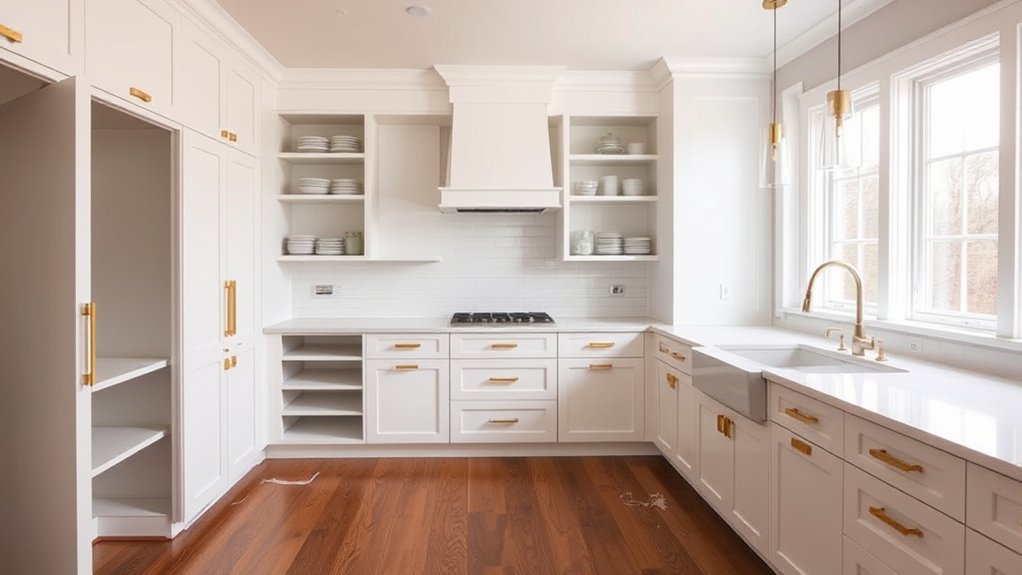
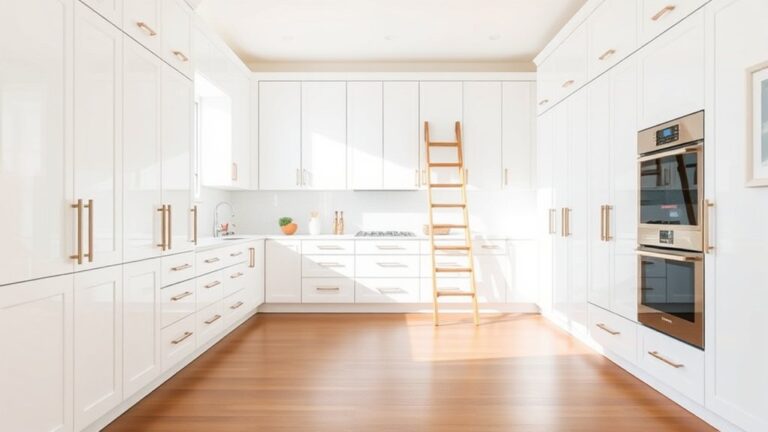
Cabinets and storage make up a significant portion of your kitchen remodel budget, often accounting for 30% to 40% of the total cost. Choosing the right cabinet styles can dramatically affect both the look and price of your kitchen.
You might opt for classic shaker cabinets or sleek modern designs, each with different price points. Storage solutions are just as essential—they maximize space and improve functionality, from pull-out shelves to built-in spice racks.
Here’s a quick look at potential costs:
| Cabinet Style | Average Cost | Storage Solution Cost |
|---|---|---|
| Stock Cabinets | $100 – $300/box | $50 – $150 per unit |
| Semi-Custom Cabinets | $150 – $650/box | $100 – $300 per unit |
| Custom Cabinets | $500 – $1,200/box | $200 – $500 per unit |
Understanding these costs helps you balance style with practicality in your kitchen remodel.
Kitchen Remodel Countertops and Surfaces Costs
When remodeling your kitchen, choosing the right countertop material can make a big difference in both style and budget. Popular options like granite, quartz, and laminate each offer different price points, appearances, and levels of durability. Be sure to include installation costs in your budget, too, since they can vary depending on the material and the complexity of the project.
Popular Countertop Materials
Since your countertops take up a significant amount of visual space in your kitchen, choosing the right material can dramatically impact both style and budget. Popular options blend aesthetics with practicality, complementing your kitchen decor while taking into account appliance maintenance needs.
For example, granite offers durability and a classic look but requires sealing to prevent stains. Quartz is low-maintenance and resistant to scratches, making it ideal if you want a sleek, modern vibe. If you prefer budget-friendly options, laminate provides plenty of design choices but may wear faster.
Here are three popular countertop materials to consider:
- Granite: durable, heat-resistant, needs sealing
- Quartz: non-porous, low-maintenance, stylish
- Laminate: affordable, versatile, less durable
Choosing the right surface helps your kitchen look great and keeps appliances running smoothly.
Surface Installation Expenses
Although selecting the right countertop material is essential, you’ll also need to factor in the costs of professional installation. Surface materials like granite, quartz, or laminate each require specific installation techniques that affect your overall budget.
For example, heavy stone surfaces demand precise cutting and secure anchoring, increasing labor costs. In contrast, laminate tends to be quicker and less expensive to install.
Furthermore, complex designs or custom edges add to installation time and expense. Don’t forget to consider prep work, such as removing old countertops or reinforcing cabinets, which can impact costs too.
Kitchen Remodel Flooring Options and Prices
Picking the right flooring can make or break your kitchen remodel, as it affects both the room’s look and durability. You want a floor that stands up to spills, heavy foot traffic, and wear while complementing your style.
Choosing durable, stylish flooring is key to a successful kitchen remodel that handles spills and heavy use.
Consider flooring durability carefully to avoid costly replacements down the line. For a greener choice, eco friendly options like bamboo or cork offer sustainability without sacrificing strength.
Here are three flooring options to weigh:
- Ceramic tile: Highly durable and water-resistant but can feel cold and hard.
- Luxury vinyl plank (LVP): Affordable, resilient, and mimics wood or stone well.
- Bamboo: Eco friendly, strong, and stylish though pricier than vinyl.
Prices range from $2 to $15 per square foot depending on material and installation complexity. Balancing cost, durability, and environmental impact helps you pick the perfect kitchen floor.
Kitchen Remodel Lighting Fixtures and Costs
How can lighting transform your kitchen remodel? The right lighting fixtures can completely change your space’s atmosphere, functionality, and style. When choosing lighting fixtures, consider options like recessed lights, pendant lights, and under-cabinet lighting.
Each type serves a different purpose, from general illumination to task lighting, enhancing both aesthetics and usability.
To make informed decisions, look at a cost comparison between basic and high-end lighting fixtures. Basic fixtures can start around $50 each, while designer or smart lighting options can reach $300 or more per fixture.
Don’t forget about energy-efficient LED lights, which may have a higher upfront cost but save money long term. Also, mixing fixture styles can add depth without breaking your budget.
Ultimately, balance your style preferences with your budget by comparing costs and benefits of different lighting fixtures to achieve the perfect lighting setup for your remodeled kitchen.
Labor Costs for Contractors and Specialists
You’ll want to know what contractors typically charge per hour and how much specialists, such as electricians and plumbers, may add to your budget. Labor costs vary depending on the project’s complexity and your location. Understanding these factors can help you plan your remodeling expenses more accurately.
Average Contractor Hourly Rates
Although labor costs can vary widely depending on your location and the project’s complexity, understanding average contractor hourly rates is essential for budgeting your kitchen remodel. Typically, rates range between $50 and $150 per hour, influenced by experience, demand, and the specific tasks involved.
Keep in mind that a well-planned kitchen design can reduce your renovation timeline, saving you money on labor.
When estimating labor costs, consider these factors:
- The contractor’s expertise and reputation
- Geographic location and local market rates
- The scope and complexity of your kitchen renovation
Specialist Fees Breakdown
Beyond general contractor rates, specialist fees can considerably impact your remodeling budget. Electricians, plumbers, and cabinet installers each charge distinct rates depending on their expertise and your project’s scope.
If you want to follow current design trends, you might need specialists skilled in modern lighting or smart appliances, which can raise costs. Selecting more durable materials may also require experts familiar with those products, increasing labor expenses.
For instance, installing quartz countertops demands more precise techniques than installing laminate. When budgeting, factor in these specialist fees separately so you don’t underestimate labor costs.
Understanding this breakdown helps you align your budget with your kitchen’s style and longevity goals without surprises.
Labor Cost Influencing Factors
When planning your kitchen remodel, several factors influence labor costs for contractors and specialists. Labor expenses vary depending on the project’s complexity and the expertise required.
If you choose current design trends or incorporate eco-friendly materials, labor might cost more because of specialized skills or handling requirements. Geographic location and project timing can also impact prices.
Consider these key labor cost influencers:
- The complexity of design trends, such as custom cabinetry or intricate tile work
- The use of eco-friendly materials requiring special installation techniques
- The availability and experience level of contractors and specialists
Plumbing and Electrical Upgrade Expenses
Since your kitchen remodel often involves updating plumbing and electrical systems, these upgrades can considerably impact your budget. You’ll need to assess the current state of your pipes and wiring to determine what needs replacement or improvement.
If your home is older, expect higher costs, especially when integrating vintage design elements that require specialized fixtures or rewiring to maintain authenticity.
Eco-friendly upgrades, like low-flow faucets or energy-efficient wiring, might increase upfront expenses but save you money long-term through reduced utility bills.
Don’t forget that relocating plumbing lines or adding new outlets and lighting will add to labor and material costs. Hiring licensed professionals ensures safety and code compliance, which is vital when dealing with water and electricity.
Appliance Costs to Expect in a Kitchen Remodel
How much should you budget for new appliances during your kitchen remodel? Appliance costs can vary widely depending on the brands, features, and energy efficiency you choose.
You’ll want to contemplate how appliance placement affects your kitchen’s workflow, ensuring convenience and maximizing space. Opting for energy-efficient models might cost more upfront but can save you money on utility bills over time.
Here are some key points to keep in mind:
- Prioritize energy-efficient appliances to reduce long-term costs and environmental impact.
- Plan your appliance placement carefully to boost kitchen functionality and avoid costly adjustments.
- Allocate about 20-30% of your total remodeling budget for appliances, depending on your preferences.
Unexpected Costs That Can Increase Your Kitchen Remodel Budget
Appliance choices can heavily influence your kitchen remodel budget, but unexpected costs often catch homeowners off guard. During budget planning, you might overlook hidden expenses like plumbing repairs, electrical upgrades, or structural changes.
These surprises can quickly inflate your initial cost estimation. For example, discovering outdated wiring or water damage means extra work and material expenses.
Unexpected issues like outdated wiring or water damage can rapidly increase your remodeling costs.
You should also factor in permit fees and potential delays, which add to the overall cost and timeline. To avoid surprises, it’s smart to build a contingency fund, typically 10-20% of your total budget, to cover unforeseen issues.
Communicate regularly with your contractor to stay informed about any changes impacting your budget. By anticipating these unexpected costs, you can adjust your budget planning accordingly and keep your kitchen remodel on track without stress or financial strain.
Frequently Asked Questions
How Long Does a Typical Kitchen Remodel Take to Complete?
A typical kitchen remodel takes about 6 to 12 weeks to complete. You’ll want to focus on budget planning early to avoid surprises and guarantee you can afford the materials and labor.
Contractor selection is essential because a reliable contractor keeps the project on schedule and handles unexpected issues efficiently. Staying involved and communicating with your contractor helps you stick to the timeline and get your dream kitchen finished on time.
What Are the Best Eco-Friendly Materials for Kitchen Remodeling?
You’ll want to choose sustainable countertops like recycled glass or bamboo for an eco-friendly kitchen remodel. These materials reduce waste and have a smaller environmental footprint.
For eco friendly cabinetry, look for options made from reclaimed wood or FSC-certified timber, which guarantees responsible forest management. These choices not only help the planet but also add unique style to your kitchen.
Plus, they’re durable and often low in harmful chemicals, keeping your space healthier.
How Can I Maximize Kitchen Storage in a Small Space?
Imagine your kitchen as a wealth of valuables, where every inch holds hidden gems. To maximize storage in a small space, you’ll want to use creative storage solutions like pull-out shelves, vertical racks, and corner carousels.
Space optimization means thinking upward and inward. Install hooks for pots, magnetic strips for knives, and drawer dividers to keep things neat. By turning your kitchen into an organized treasure trove, you make every inch count.
What Design Trends Are Popular in Modern Kitchen Remodels?
You’ll find that popular modern kitchen remodels adopt minimalist cabinetry to create clean, clutter-free spaces.
You’ll also want to incorporate sustainable lighting, like energy-efficient LEDs, which not only look great but reduce your environmental impact.
Mixing natural materials with sleek finishes keeps things fresh and inviting.
Don’t forget open shelving and smart storage solutions. They complement the minimalist style while maximizing functionality in your kitchen.
How Do I Choose the Right Kitchen Layout for My Home?
Wondering which kitchen layout fits your home best? Start by evaluating your space and how you move around it.
Think about Kitchen color schemes that complement your style and Appliance upgrades that match your cooking habits.
Do you need an open layout for entertaining or a cozy, efficient work triangle? Prioritize functionality and flow.
Then pick a design that highlights your favorite colors and latest appliances to make your kitchen both beautiful and practical.
Conclusion
Remodeling your kitchen can feel overwhelming with all the costs to consider, from permits to unexpected expenses. But knowing what to expect helps you plan wisely and avoid surprises.
Don’t forget to budget for labor, appliances, and the small extras that can quickly add up. After all, who doesn’t want a beautiful kitchen without breaking the bank?
With a clear plan, you can create a space you love while staying on budget and understanding how much it costs to remodel a kitchen.