How to Get Rid of Ants on Kitchen Counter Quickly and Effectively
Getting rid of ants on your kitchen counter requires immediate cleaning, sealing entry points, and using targeted ant baits or natural repellents. Start by wiping down the counters with soapy water to remove scent trails ants leave behind, then place baits or deterrents in areas where ants appear most.
Ants invade kitchens mainly searching for food and water, so maintaining a spotless environment discourages them from returning. Left unchecked, ants can quickly multiply and spread throughout your home, making it harder to control them later.
This article explains effective ways to get rid of ants on a kitchen counter, discusses the pros and cons of natural versus chemical control options, explores how to identify entry points, and shares maintenance tips to keep your kitchen ant-free long term.
Identifying the Ant Problem on Your Kitchen Counter
Common Ant Species Found in Kitchens
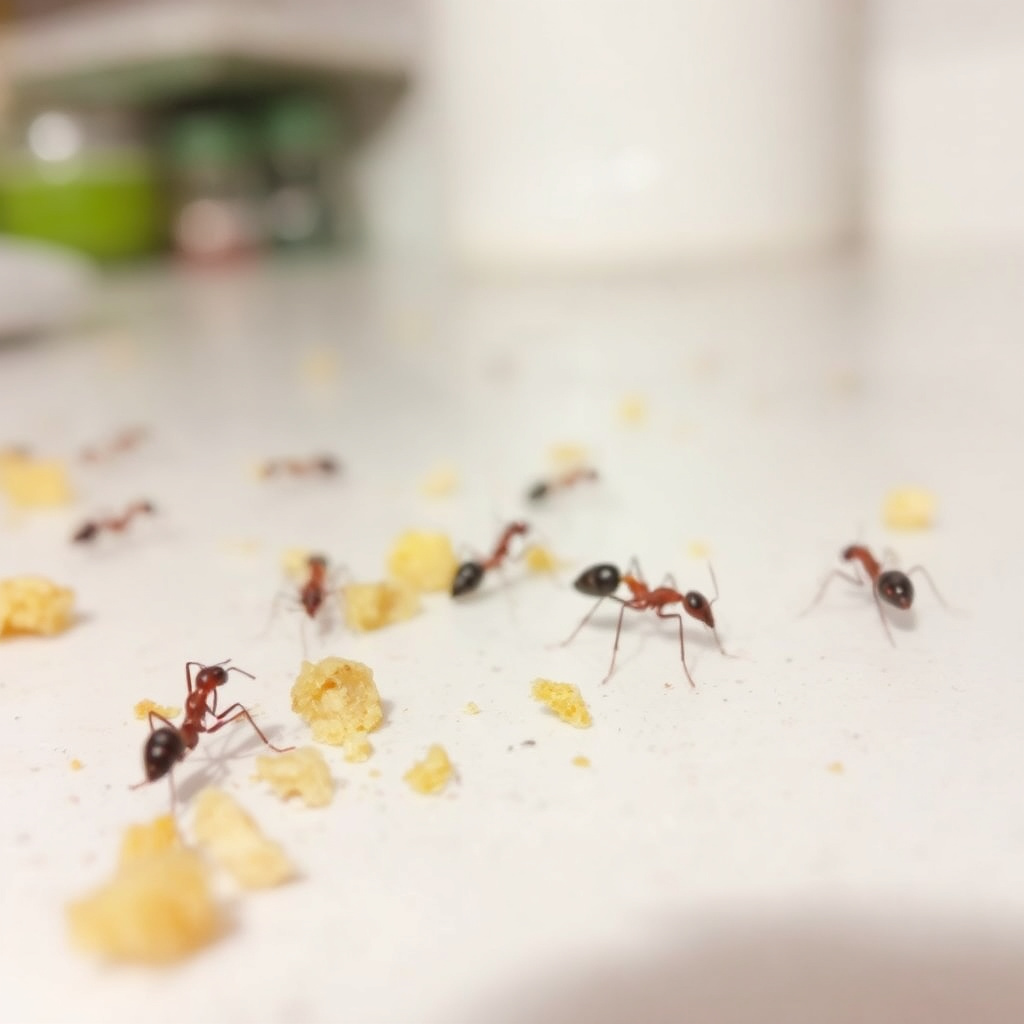
Several ant species commonly infest kitchens, including the odorous house ant and the pavement ant. These ants are small, usually around 1/8 inch long, and often appear in large numbers. Identifying the species helps determine the best control strategy.
Odorous house ants emit a distinct smell when crushed and prefer sugary foods, while pavement ants tend to forage for proteins and fats. Knowing their preferences allows you to tailor bait placement for faster results.
Recognizing Ant Trails and Entry Points
Ants leave pheromone trails to lead others from their colony to food sources, often visible as tiny lines moving towards your counter. Spotting these trails helps locate their march and entry spots.
Common entry points include gaps around windows, doors, plumbing fixtures under sinks, and cracks in walls or countertops. Sealing these openings reduces ant incursions and limits the problem's spread.
Effective Cleaning Practices to Remove Ants from Kitchen Counters
Removing Food Residues and Crumbs
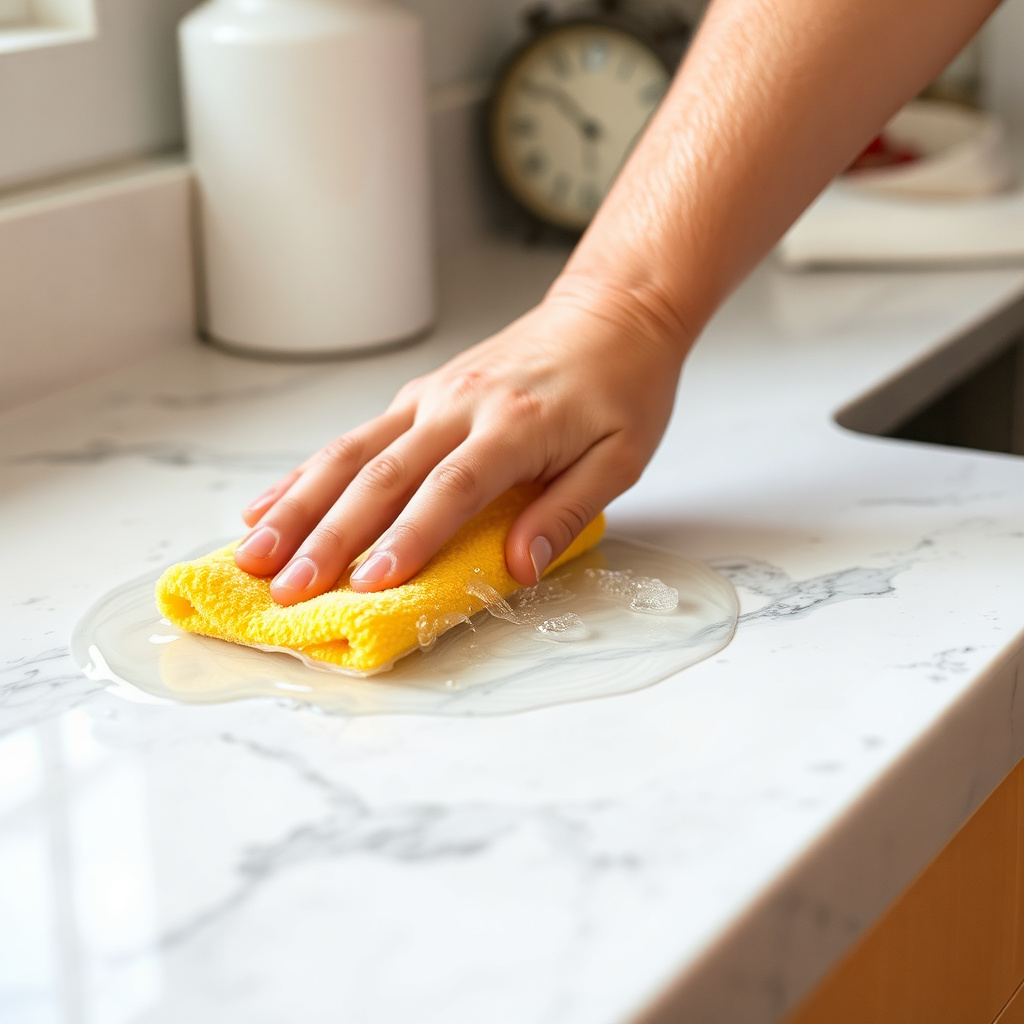
Ants are attracted to food particles and spills left on counters, so wiping surfaces daily with warm soapy water removes these enticing residues. This also erases scent trails that ants use to navigate.
Avoid leaving dirty dishes or open food containers on countertops, and sweep or vacuum adjacent floors regularly to eliminate crumbs that can draw ants indoors.
- Use dish soap with warm water for cleaning
- Wipe edges and corners thoroughly
- Clean under appliances periodically
Sanitizing to Eliminate Chemical Traces
After cleaning, using a disinfectant spray or a diluted vinegar solution on counters helps remove any chemical or fatty traces ants follow. Vinegar disrupts the pheromone trails preventing other ants from locating food sources easily.
Regular sanitization reduces the risk of persistent ant infestation and maintains kitchen hygiene.
- Dilute white vinegar with water (50/50) for natural sanitizing
- Avoid using sweet or perfumed cleaners that may attract ants
Using Ant Baits and Natural Repellents on Kitchen Counters
Choosing and Placing Ant Baits
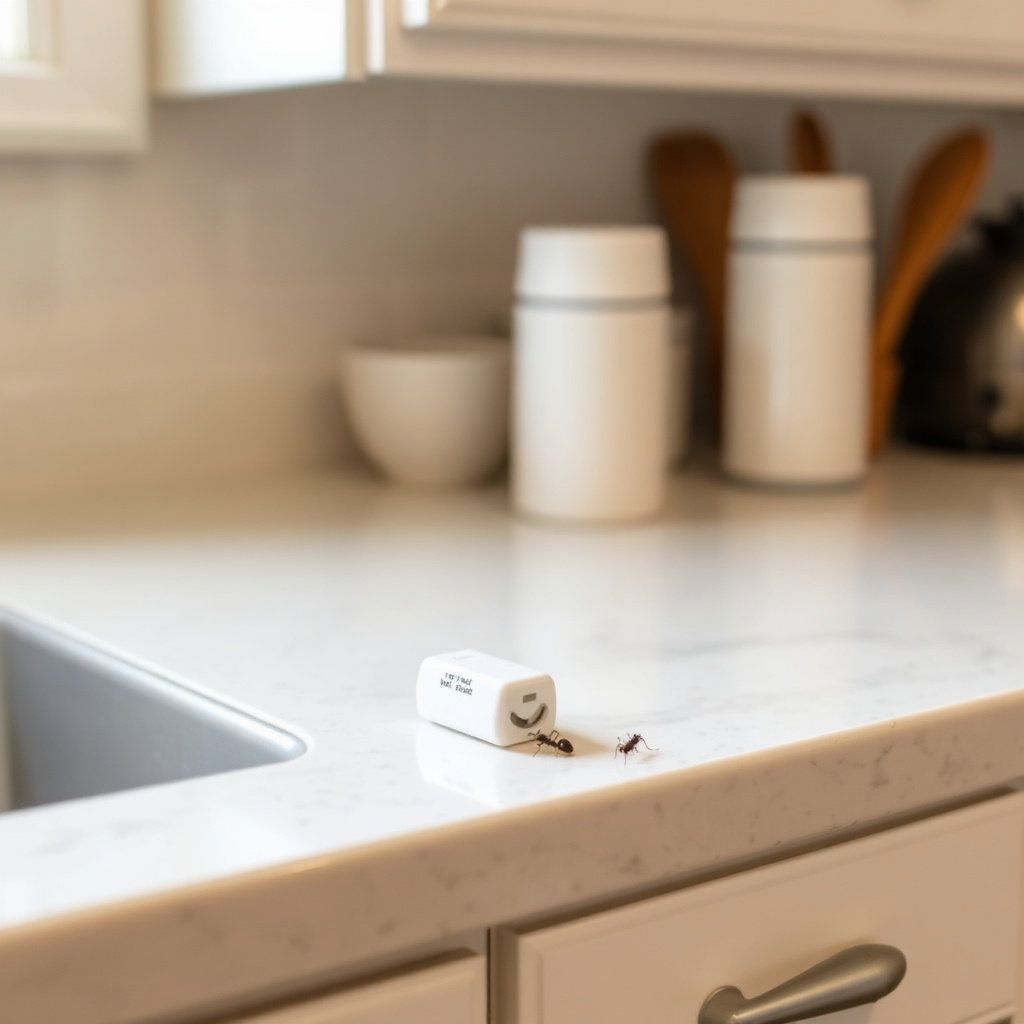
Ant baits attract worker ants who carry poison back to the colony, eliminating the entire population over time. Gel and trap baits can be placed along ant trails or near suspected entry points on counters.
Avoid spraying insecticides directly on counters as this may repel ants and reduce bait effectiveness. Instead, keep baits accessible but away from children and pets.
- Place baits in corners and near sinks
- Replace baits periodically according to manufacturer instructions
For more on this, see our related guide: 10 Ways How to Finance Kitchen Renovation in 2027 Best Guide.
Natural Repellents that Deter Ants
Essential oils like peppermint, tea tree, or lemon serve as natural ant repellents when diluted with water and sprayed around counters. Ants dislike the strong scent and avoid treated areas.
Sprinkle substances like cinnamon, coffee grounds, or diatomaceous earth near ant trails to create physical or sensory barriers.
- Mix 10-15 drops essential oil with water for spray
- Avoid excessive oil that can stain counter surfaces
Sealing Entry Points to Prevent Ants Returning to the Kitchen
Finding Cracks and Gaps Around Counters and Walls
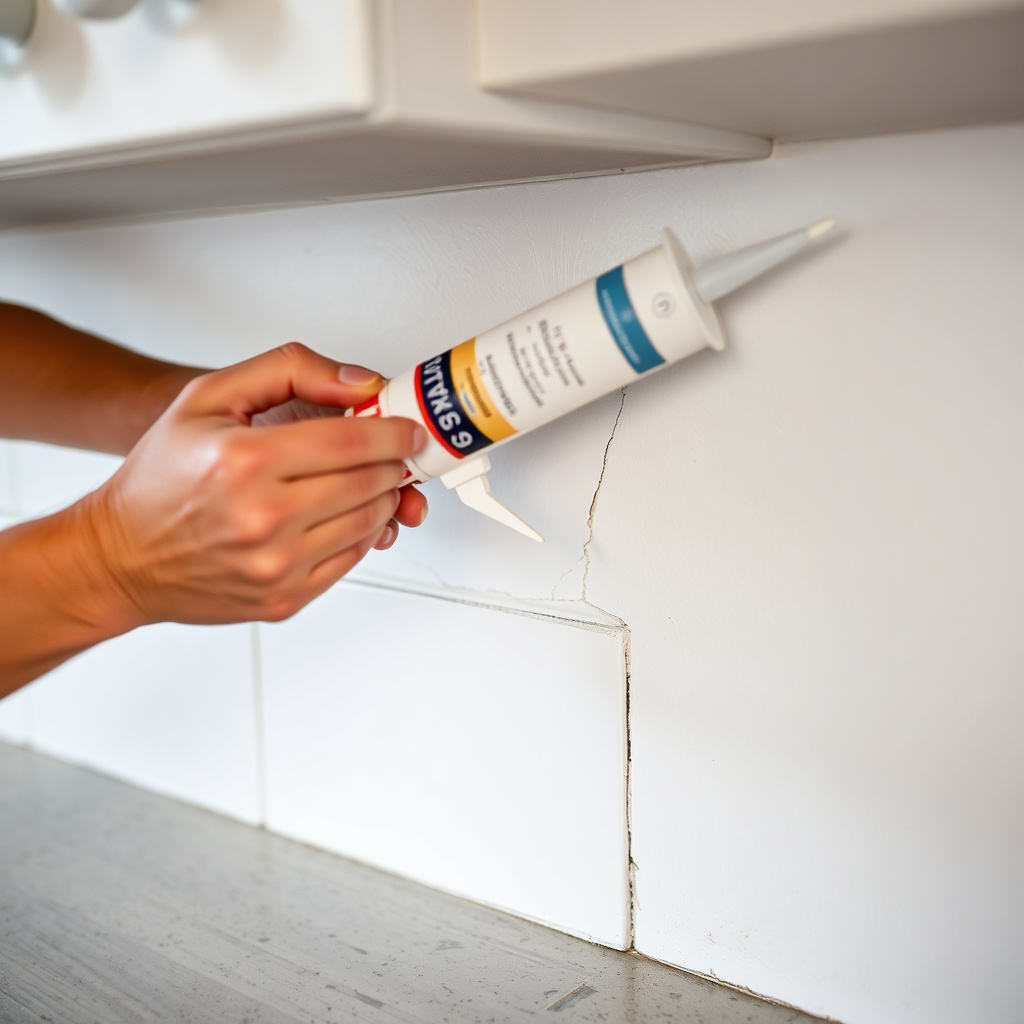
Careful inspection around kitchen counters reveals cracks, holes, or gaps ants use to enter. Check near plumbing, cabinet joints, electrical outlets, and window frames to identify vulnerabilities.
Using a flashlight during low light can highlight these tiny openings often overlooked.
Using Sealants and Weatherstripping
Silicone caulk is ideal for sealing cracks around counters and walls as it remains flexible and prevents water damage. Weatherstripping applied to doors and windows closes gaps and blocks ant access.
Regularly inspect and maintain seals to uphold an ant-proof barrier in your kitchen.
- Apply caulk after cleaning and drying surfaces
- Replace worn weatherstripping seasonally
Long-Term Maintenance to Keep Kitchen Counters Ant-Free
Routine Cleaning and Inspection
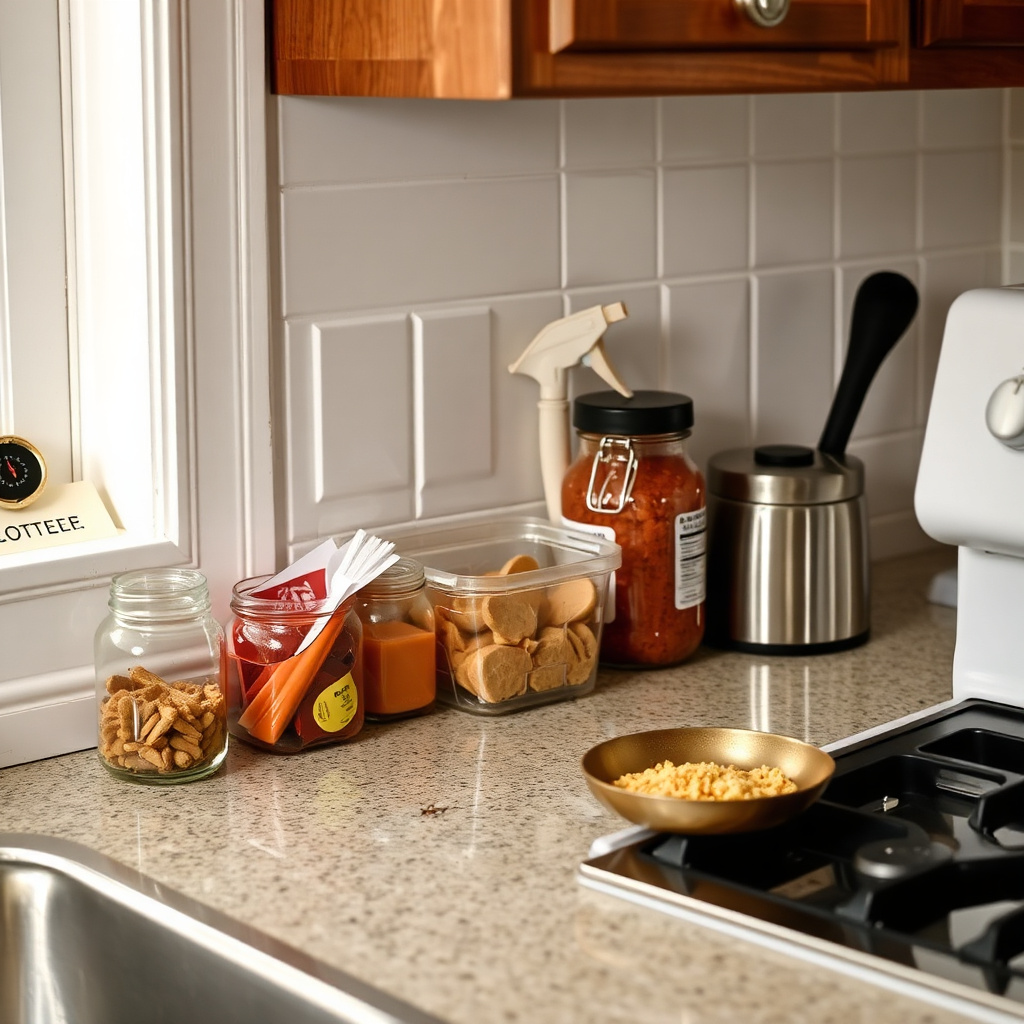
Daily wiping of kitchen counters and prompt spill clean-up limits attractants that invite ants. Regular inspection of known entry points spotlights early infestations before they spread.
Developing a cleaning habit prevents pheromone trails from becoming established, supporting all other pest control methods.
- Wipe down countertops after meals
- Check for ants early in the morning or evening
For more on this, see our related guide: How to Fit a Kitchen in 3 Simple Steps.
Proper Food Storage and Waste Handling
Store food in sealed containers to restrict access and keep trash bins covered and emptied frequently to avoid odors drawing ants. Compost bins should be kept outdoors or tightly sealed.
These practices reduce the likelihood of ants finding food sources and setting up colonies within kitchen areas.
- Use airtight jars and plastic containers
- Take out trash daily, especially food scraps
Handling Stubborn or Large Ant Infestations on Kitchen Counters
When to Seek Professional Pest Control Services
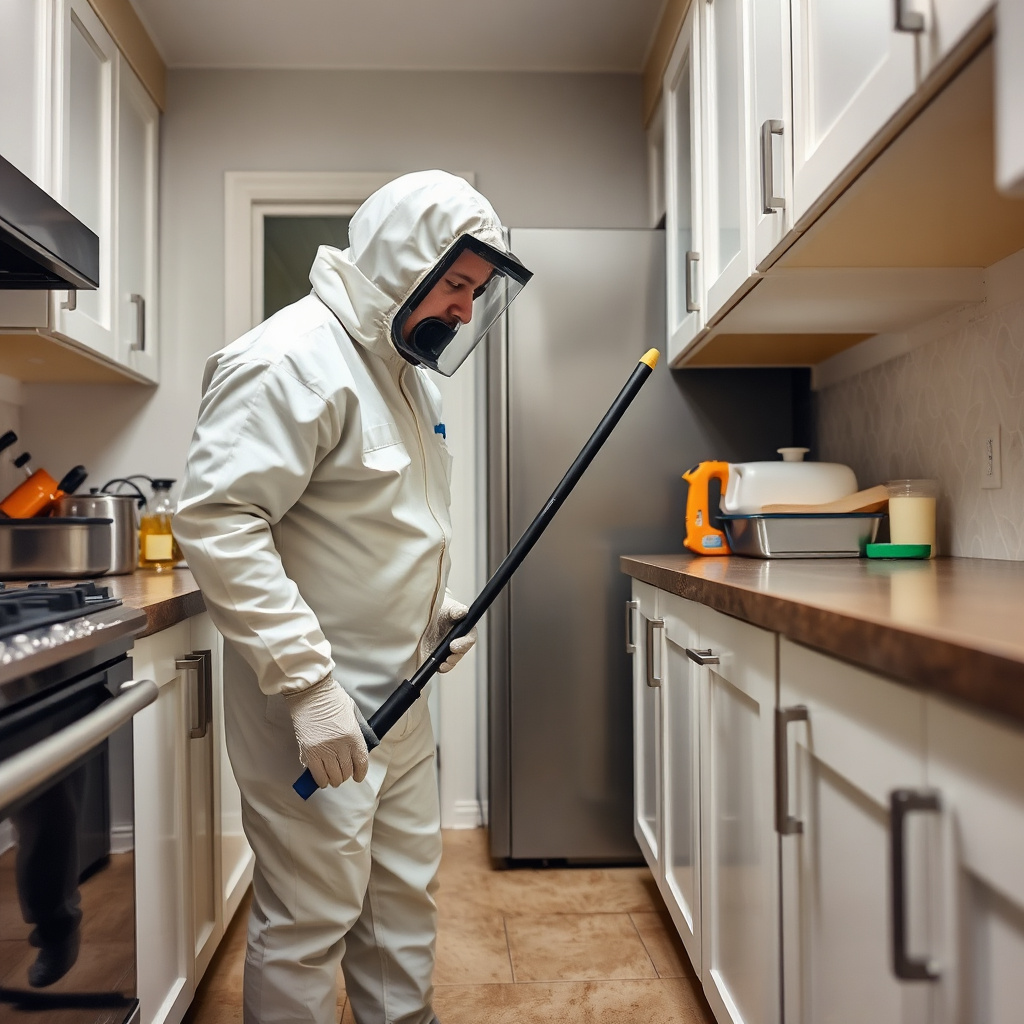
If ant populations remain high despite DIY efforts, professional pest control can identify hidden nests and use advanced treatments safely. Technicians have access to stronger baits and insecticides not available over the counter.
Professional treatment often includes inspecting adjacent rooms and outdoor perimeters to tackle the problem comprehensively.
For more detailed information on ant behavior and species, refer to Ants on Wikipedia. Ants on Wikipedia.
Integrated Pest Management Strategies
Combining sanitary practices, sealing entry points, baiting, and occasional targeted insecticide use forms an integrated pest management (IPM) approach. This sustainable strategy controls ants effectively while limiting chemical exposure in kitchens.
IPM promotes monitoring and prevention as fundamental steps before escalating treatments.
Ant Control Methods for Kitchen Counters: Comparison
This table compares popular ant control options highlighting their advantages, drawbacks, and best use cases.
| Method | Effectiveness | Safety | Ease of Use | Cost |
|---|---|---|---|---|
| Soapy Water Cleaning | Moderate | Very Safe | Easy | Low |
| Ant Baits | High | Moderate | Moderate | Medium |
| Natural Repellents | Low to Moderate | Very Safe | Easy | Low |
| Chemical Sprays | High | Low | Moderate | Medium |
| Professional Pest Control | Very High | Professional Use Only | Effortless | High |
Frequently Asked Questions
How quickly do ant baits work on kitchen counters?
Ant baits typically start showing results within a few days as worker ants carry poison back to the colony, but full elimination can take one to two weeks depending on infestation size.
Are natural remedies effective at getting rid of ants on kitchen counters?
Natural remedies like essential oils and cinnamon can deter ants temporarily but usually work best combined with cleaning and sealing entry points for lasting results.
Is it safe to use chemical sprays on kitchen counters?
Using chemical sprays directly on kitchen counters is not recommended due to food contamination risk; targeted bait placement and careful cleaning afterward are safer alternatives.
Can sealing cracks alone prevent ants on kitchen counters?
Sealing entry points reduces ant access but doesn’t guarantee prevention; combining this with cleaning and bait use creates a more reliable defense.
How often should I clean my kitchen counter to prevent ants?
Wiping down kitchen counters daily and promptly cleaning spills reduces attraction and is key to preventing ants from establishing trails.
Key Takeaways
- Regular cleaning removes food residues and ant scent trails effectively.
- Using ant baits targets the entire colony, offering a long-term solution.
- Sealing cracks and gaps prevents ants from entering the kitchen.
- Combining natural repellents with proper sanitation helps maintain an ant-free counter.
Conclusion
Deciding how to get rid of ants on a kitchen counter requires balancing immediate removal with preventive measures. Starting with thorough cleaning removes enticing food particles and ant trails. Then, applying ant baits ensures the colony is targeted beyond the visible ants. Lastly, sealing potential entry points stops future invasions. This three-pronged approach tackles the problem effectively rather than treating just the visible symptoms.
For small infestations, regular cleaning combined with natural repellents and baits might suffice. If ants persist or the infestation is extensive, professional pest control services provide targeted treatment and expert advice. Selecting the right combination depends on the severity and your preferences regarding chemical use. Maintaining routine hygiene and inspecting entry points rounds out the best practices to keep kitchens ant-free.
Start by identifying ant trails and cleaning thoroughly before introducing ant control methods. Use baits to deal with the colony systematically and seal cracks to block incoming ants. Maintaining these habits keeps your kitchen counters clean and pest-free over time. If needed, consult pest control professionals for stubborn infestations. With the right steps, ants on kitchen counters become a manageable nuisance instead of a persistent problem.