How to Pack Kitchen Appliances Safely for Moving or Storage
Packing kitchen appliances requires careful preparation to prevent damage during transit or storage. Start by cleaning and drying each appliance thoroughly, unplugging all cords, and removing detachable parts. Use appropriate packing materials such as sturdy boxes, bubble wrap, and foam sheets to cushion the items securely.
Handling kitchen appliances with care matters because they are often fragile, costly, and include electrical components that can be easily harmed by impacts or moisture. Properly wrapping and securing them reduces the risk of dents, scratches, or internal damage, allowing your appliances to remain functional after relocation or storage.
This guide outlines practical steps for packing various kitchen appliances, tips on choosing the best packing materials for kitchen appliances, and advice on labeling and transporting them efficiently. You will also find insights on protecting delicate parts and organizing your packing process.
Preparing Kitchen Appliances for Packing
Cleaning and Disassembling Appliances
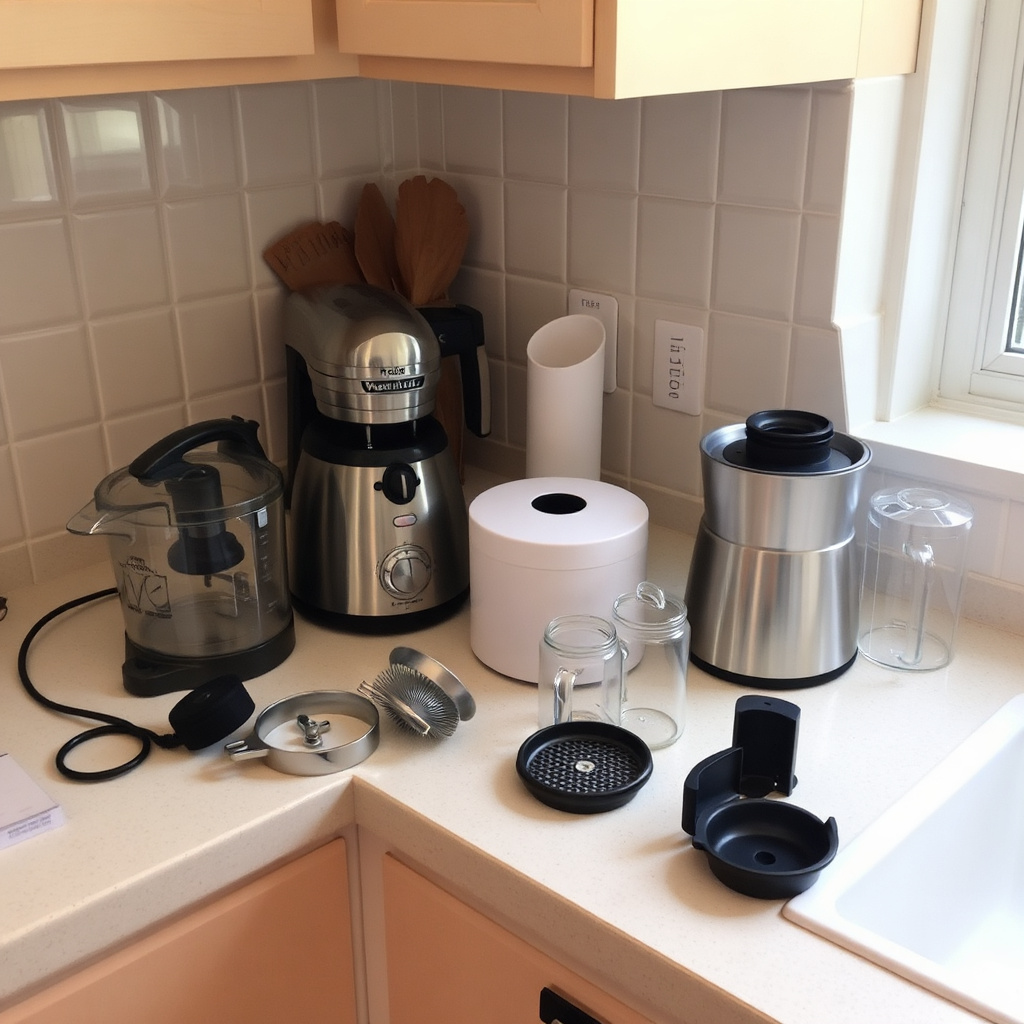
Before packing, thoroughly clean your kitchen appliances to remove food residues, grease, and moisture that can cause mold or damage during storage. Unplug the appliances and let them dry completely. Detach removable parts such as trays, blades, or lids, and keep them together with the main appliance to avoid loss.
Disassembling appliances as much as possible reduces the risk of breakage and allows more compact packing. Wrap detachable components individually in bubble wrap or packing paper to provide an extra layer of protection.
Checking for Damage and Functionality
Inspect each appliance for any existing damage or loose parts before packing. Test their functionality to confirm they work properly. Document any issues you find for your records, especially if items are insured during transit.
Addressing minor repairs before moving can prevent further worsening. Knowing the condition of your kitchen appliances helps prioritize which need extra protection and careful handling.
Choosing the Best Packing Materials for Kitchen Appliances
Types of Protective Wrapping
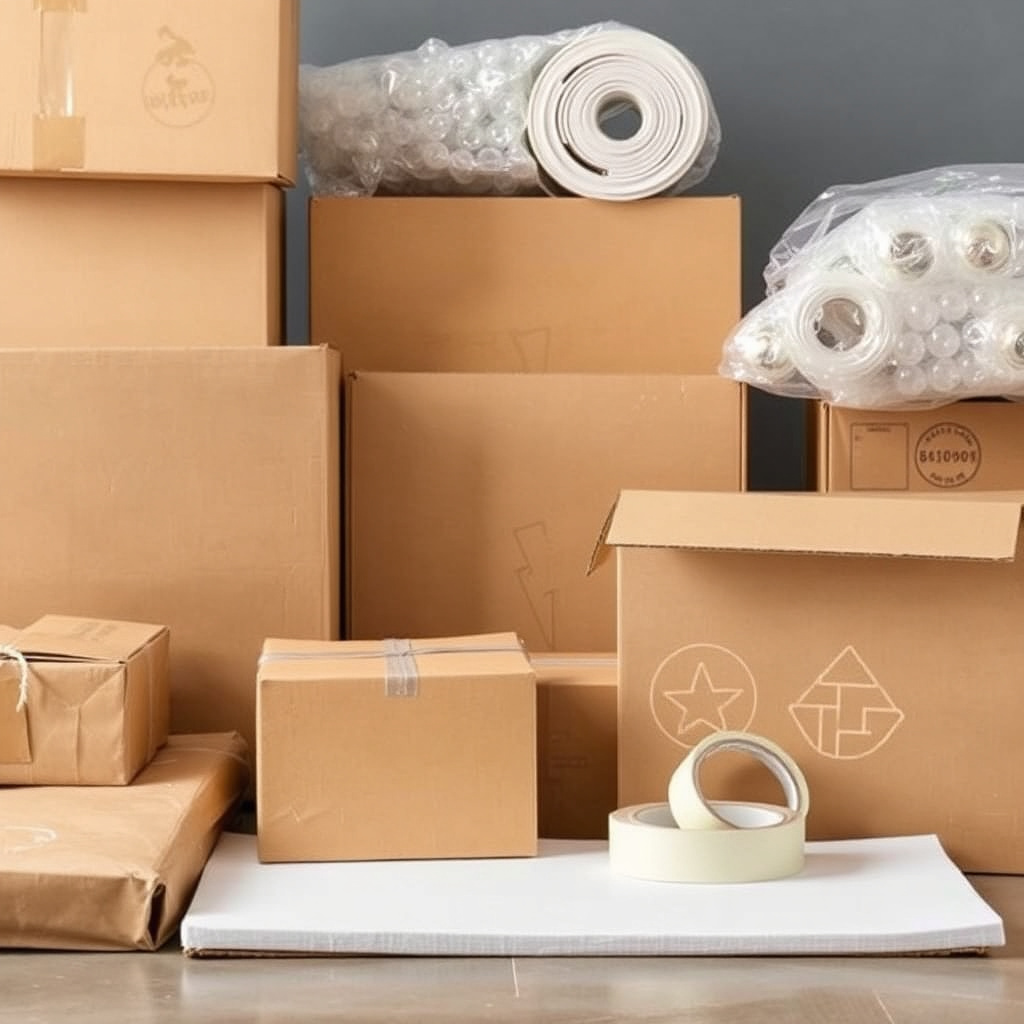
Bubble wrap provides excellent cushioning around appliances, absorbing shocks and preventing scratches. Foam sheets fit well inside boxes where gaps could cause movement. Packing paper is useful for wrapping delicate parts or filling small voids.
Avoid using newspaper directly against appliances as the ink might transfer. Instead, layer packing paper beneath delicate surfaces or use acid-free tissue paper for fragile finishes.
- Bubble wrap for shock absorption
- Foam sheets for padding
- Packing paper for protecting surfaces
- Acid-free tissue for delicate finishes
Choosing the Right Boxes and Containers
Use sturdy, corrugated boxes rated for the weight of kitchen appliances. Choose boxes slightly larger than the items to allow sufficient padding. For heavy appliances, double-walled boxes provide added support. Avoid oversized boxes that increase the chance of shifting during transport.
If original packaging is unavailable, consider specialty appliance boxes or plastic crates with padding. Clearly label each box to identify fragile contents and ensure careful handling.
- Corrugated double-walled boxes for heavy items
- Specialty appliance boxes when available
- Plastic crates with padding for reusable options
- Labels indicating fragile and heavy
Packing Specific Kitchen Appliances
Small Appliances Like Toasters and Blenders
Wrap small appliances such as toasters, blenders, and mixers in multiple layers of bubble wrap. Place them in boxes lined with foam padding to reduce vibration. Secure loose cords with twist ties and store them inside the box to avoid tangling.
Remove any detachable accessories from the appliances and wrap them separately in bubble wrap or packing paper. Pack these in the same box to keep all components together and prevent damage during transport.
For more on this, see our related guide: How to Pack a Kitchen in 5 Simple Steps.
Large Appliances Like Microwaves and Coffee Makers
For larger appliances like microwaves or coffee makers, use thick foam sheets to cover surfaces and corners where impacts are most likely. Wrap cords and accessories separately but keep them with the main unit in the box.
Fill any remaining space inside the box with crumpled packing paper or foam inserts to prevent movement. Use heavy-duty tape to seal the box tightly and place fragile stickers on the outside.
Labeling and Organizing Packed Appliances
Effective Labeling Techniques
Clearly label each box with details such as the appliance name, room destination, and whether it contains fragile items. Mark boxes with orientation instructions like 'This Side Up' if necessary to keep appliances upright during transit.
Use waterproof markers on all labels to avoid smudging. Including an inventory list inside or attached to the box can help locate specific appliances quickly after moving or in storage.
Systematic Packing Order
Pack kitchen appliances along with similar items and box them separately from kitchenware such as dishes or utensils. Group smaller appliances to balance box weight and prevent excessive heaviness.
Load boxes containing kitchen appliances last into moving vehicles so they are easily accessible and minimize the chance of damage from heavier items placed on top.
Transporting and Storing Kitchen Appliances
Securing Appliances During Transport
During transport, position boxes containing kitchen appliances on flat surfaces and secure them with straps or soft padding to prevent shifting. Avoid stacking heavy boxes on top of boxes with delicate appliances to reduce compression risk.
If possible, transport larger appliances individually using dollies or hand trucks to control handling and reduce impact from rough rides.
For more on this, see our related guide: How Much Does an IKEA Kitchen Remodel Cost: 10 Factors.
Long-Term Storage Tips
Store packed kitchen appliances in a dry, climate-controlled environment to prevent moisture damage and corrosion. Elevate boxes off the floor using pallets or shelving to avoid contact with potential flooding.
Inspect stored appliances periodically for signs of damage or pests, and rotate stored items if possible to maintain overall condition.
Safety and Precautions for Packing Kitchen Appliances
Handling Electrical Components Safely
Take care when packing electrical appliances by ensuring all cords and plugs are unplugged, wrapped separately, and secured to avoid damage. Avoid wrapping appliances while they are still warm or recently used to prevent moisture buildup inside boxes.
Use anti-static bags for digital or sensitive electronics integrated into kitchen appliances like smart coffee makers or microwaves to protect from static discharge.
For additional expert advice on moving and packing kitchen appliances, the American Moving & Storage Association offers helpful guidelines. Kitchen appliance packing tips from the American Moving & Storage Association.
Preventing Damage to Glass and Fragile Parts
Glass or ceramic parts like blender jars, coffee carafes, or oven doors require extra padding with bubble wrap and cushioning materials. Pack these parts individually and label them as fragile.
Place these wrapped fragile components in boxes with soft lining and avoid placing heavy objects on top. Using corner protectors can further safeguard edges from impact.
Comparison of Packing Methods for Kitchen Appliances
This table compares common packing methods based on protection level, cost, ease of use, and suitability for different appliance types.
| Packing Method | Protection Level | Cost | Ease of Use | Best For |
|---|---|---|---|---|
| Bubble Wrap and Cardboard Boxes | High | Moderate | Easy | Small to Medium Appliances |
| Foam Insert Boxes | Very High | High | Moderate | Delicate and Large Appliances |
| Original Manufacturer Packaging | Best | Free if available | Easy | New or Recently Purchased Appliances |
| Plastic Crates with Padding | High | Moderate to High | Moderate | Reusable Storage and Transport |
| Packing Paper and Newspaper | Low | Low | Easy | Temporary Protection |
Frequently Asked Questions
Can I pack kitchen appliances with their cords still attached?
It’s best to unplug and wrap cords separately to prevent damage or tangling. Secure cords with twist ties and pack them inside the appliance box to keep everything organized.
How should I pack glass blender jars or coffee maker carafes?
Wrap glass parts individually in multiple layers of bubble wrap and place them in boxes lined with soft packing material. Label these boxes as fragile to ensure careful handling.
Is it necessary to clean appliances before packing?
Yes, cleaning appliances removes food residue and moisture that could cause mold or damage. Allow them to dry completely before packing to avoid corrosion or unpleasant odors.
What if I don’t have the original boxes for my appliances?
Use sturdy double-walled boxes slightly larger than the appliance and add ample cushioning with bubble wrap or foam. Specialty appliance boxes or plastic crates are good alternatives for protection.
How can I prevent damage when transporting packed kitchen appliances?
Secure boxes to prevent shifting, avoid stacking heavy items on fragile boxes, and use dollies for large appliances to reduce impact during loading and unloading.
Key Takeaways
- Clean and disassemble appliances before packing to protect them properly.
- Use bubble wrap, foam sheets, and sturdy boxes for effective cushioning.
- Label boxes clearly with contents and handling instructions.
- Secure and store appliances in dry, temperature-controlled conditions.
Conclusion
Choosing how to pack kitchen appliances depends heavily on the appliance’s size, fragility, and how they will be transported or stored. Taking the time to clean, dismantle, and wrap each item carefully creates a solid foundation for damage-free relocation or storage. Matching the appliance with the right packing materials and boxes, along with clear labeling, reduces the chance of accidents during moves.
For small appliances like blenders and toasters, bubble wrap combined with sturdy cardboard boxes offers a practical balance of protection and ease of packing. Larger items such as microwaves or coffee makers benefit from foam inserts or specialty boxes to buffer impacts. Meanwhile, retaining original packaging when possible provides the best fit and highest safety. Plastic crates offer an eco-friendly reusable option for repeated moves, especially when padded correctly.
Moving forward, gather the necessary packing supplies and start with the heaviest appliances first, coordinating your labeling to maintain organization. Taking the extra steps to secure cords and fragile parts separately increases the lifespan of your kitchen appliances beyond the move. By following these methods on how to pack kitchen appliances safely, you can minimize stress and keep your valuable equipment intact.