How to Increase Kitchen Sink Water Pressure: Simple Fixes That Work
If your kitchen sink water pressure is weak, there are several practical ways to increase it quickly and effectively. Common issues include clogged aerators, faulty valves, or plumbing blockages that can be addressed without a plumber.
Low water pressure in the kitchen sink affects daily tasks such as washing dishes and filling pots efficiently, which can become frustrating over time. Addressing water pressure problems can improve your sink’s functionality and save time during routine kitchen use.
This article will cover causes of low kitchen sink water pressure, simple troubleshooting steps, maintenance tips, and when to call a professional. Understanding these factors will help you restore strong water flow for a better kitchen experience.
Identifying Common Causes of Low Kitchen Sink Water Pressure
Clogged Aerator and Faucet Components
The aerator is a small mesh screen attached to your faucet's tip that can become clogged with mineral deposits or debris. This buildup restricts water flow and reduces pressure visibly at the spout.
Removing and cleaning the aerator often restores normal pressure quickly. Soaking it in vinegar to dissolve mineral deposits and rinsing thoroughly before reinstalling can resolve many water pressure problems caused by blocked faucet parts.
- Unscrew aerator with pliers if needed
- Soak in white vinegar for 30 minutes
- Use brush to remove debris
- Reassemble tightly to prevent leaks
Supply Valve and Plumbing Issues
Partially closed or faulty shut-off valves beneath the sink can limit water flow. These valves should be fully open to allow maximum water pressure.
Additionally, old or corroded plumbing or hidden leaks in supply lines may reduce pressure, requiring inspection or replacement by a professional plumber.
- Check valves are fully open
- Inspect for visible leaks or corrosion
- Replace worn supply lines if needed
Step-by-Step Methods to Increase Kitchen Sink Water Pressure
Cleaning and Replacing Aerators
Regular maintenance of the kitchen faucet aerator can prevent pressure drops. If cleaning doesn’t restore flow, replacement aerators are inexpensive and easy to install.
Choosing aerators with larger flow openings or pressure-enhancing designs can boost the flow rate beyond standard models for a stronger stream.
- Select aerator matching faucet thread size
- Install with plumber’s tape to prevent leaks
- Test flow to ensure improved pressure
Adjusting Water Supply and Pressure Regulators
Sometimes reducing restrictions in water supply lines or adjusting home water pressure regulators can increase faucet pressure. Ensure all supply valves are fully open and examine pressure regulator settings if applicable.
If water pressure is low throughout the house, a pressure booster pump might be installed to enhance flow to multiple fixtures including the kitchen sink.
- Fully open angle stops beneath sink
- Consult manual on pressure regulator adjustment
- Consider booster pumps for whole-house pressure
Maintenance Tips for Sustaining Strong Kitchen Faucet Pressure
Routine Cleaning of Faucet Components
Regularly removing and cleaning faucet aerators, cartridges, and screens prevents buildup of minerals and debris that reduce water pressure over time.
Scheduling monthly checks and soakings keeps water flowing freely and can extend the lifespan of faucet parts.
- Set reminders for monthly aerator cleanings
- Use vinegar soaks to dissolve hard water deposits
- Inspect faucet cartridges for wear
For more on this, see our related guide: 5 Easy Steps to Increase Water Pressure in Your Kitchen Sink.
Water Softening and Filtration
Hard water accelerates mineral buildup leading to pressure loss. Using water softening systems or filters in your home's plumbing can minimize deposits in faucets and pipes.
Softened water maintains faucet efficiency and protects internal valve components from damage.
- Install water softener if hard water is present
- Use inline filters to reduce sediment
- Maintain softening equipment regularly
Troubleshooting Persistent Kitchen Faucet Water Pressure Problems
Detecting Hidden Leaks and Blockages
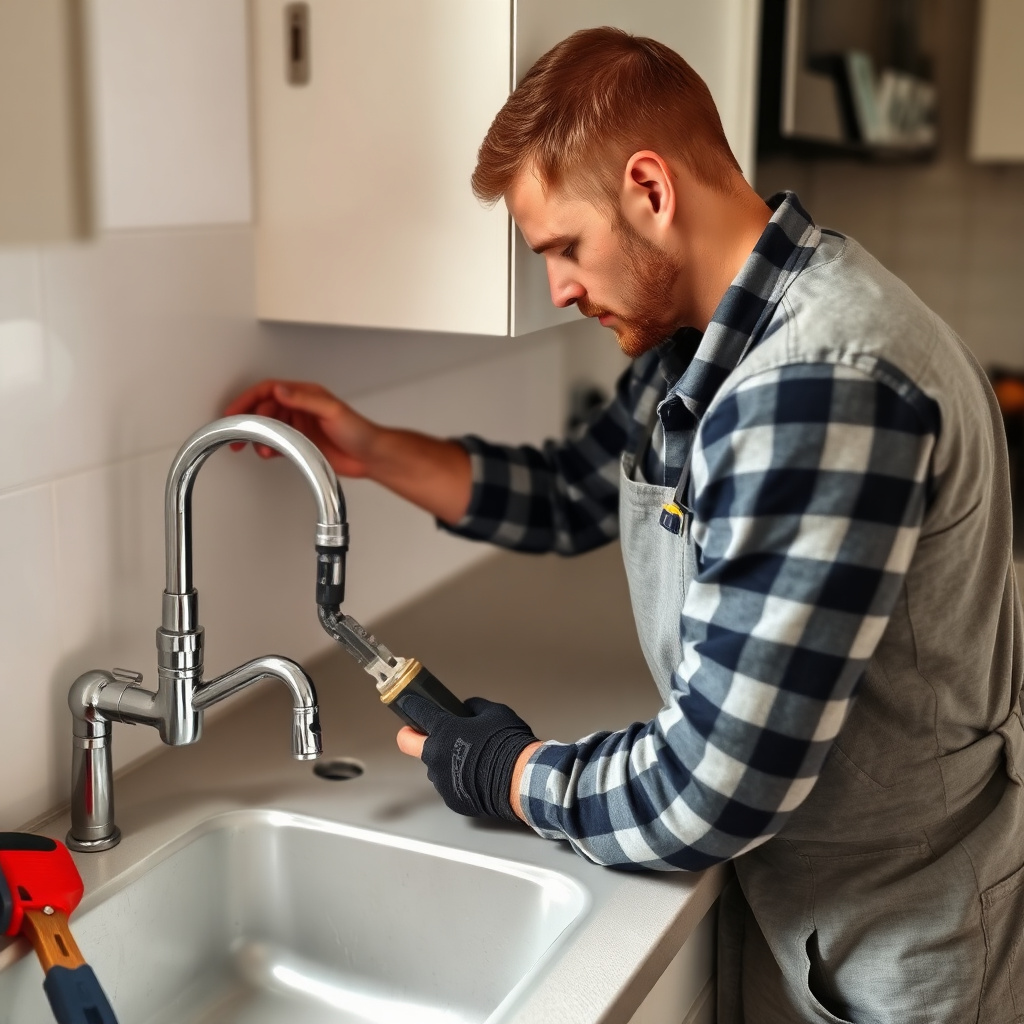
If weak pressure persists after typical fixes, there may be hidden leaks or severe blockages in supply pipes. Signs include dampness under the sink or irregular water flow.
Using pressure gauges or calling a plumber to perform diagnostic camera inspections can identify issues deep within piping.
- Look for wet spots or dripping under sink
- Use pressure gauge tools for accurate readings
- Schedule professional pipe inspections
Replacing Faulty Faucet Cartridges and Valves
Damaged cartridges or internal valve components may prevent proper water flow. Many faucets allow for part replacement without full fixture removal.
Replacing worn parts can restore pressure and reduce leaks without costly faucet replacement.
- Identify cartridge model and source replacements
- Follow manufacturer instructions carefully
- Test faucet after installation for improvements
When to Call a Professional for Kitchen Sink Water Pressure

Limits of DIY Repairs
While many pressure issues can be addressed with simple cleaning or adjustments, complicated plumbing problems require professional expertise.
Avoid causing additional damage by attempting complex repairs without proper tools and knowledge.
- Stubborn clogs that don’t clear
- Major leaks or damaged piping
- Persistent low pressure despite troubleshooting
For more on this, see our related guide: How To Unclog My Kitchen Sink in 3 Easy Steps?.
Choosing the Right Plumbing Professional
Select licensed plumbers with good reviews and experience in residential kitchen plumbing.
Request estimates and confirm warranty on work provided before committing to repairs.
- Verify professional credentials
- Ask for references or reviews
- Get written estimates for repair scope
Upgrading Fixtures to Improve Kitchen Faucet Water Pressure

High-Pressure Faucet Designs
Modern faucets with pressure-boosting designs use aerators and flow regulators engineered for enhanced water delivery.
Upgrading to such faucets can provide noticeably stronger pressure and better stream control.
- Search for faucets labeled 'high pressure'
- Choose models with ceramic discs for durability
- Consider retrofit options that fit existing plumbing
To learn more about the physics and factors influencing water pressure, you can explore this detailed article about water pressure on Wikipedia. water pressure on Wikipedia.
Installing a Dedicated Pressure Booster
In homes with overall low municipal water pressure, installing an inline booster pump for the kitchen faucet directly increases flow.
These small electric pumps boost pressure without heavy plumbing modifications.
- Consult professional for compatible booster types
- Ensure booster installation complies with local codes
- Maintain pump for best performance
Kitchen Sink Faucet Water Pressure Solutions Comparison
Here is a comparison of common solutions to improve kitchen sink water pressure, highlighting their benefits and ideal uses.
| Solution | Ease of DIY | Cost Range | Effectiveness | Longevity |
|---|---|---|---|---|
| Aerator Cleaning/Replacement | High | $5-$20 | Moderate to High | Moderate |
| Adjusting Supply Valves | High | Free | Moderate | Long |
| Water Softening System | Low | $300-$2000 | High | Long |
| Professional Plumbing Repairs | Low | $150-$500+ | High | Long |
| Pressure Booster Pump | Medium | $100-$400 | High | Long |
| Upgrading to High-Pressure Faucet | High | $50-$300 | High | Moderate to Long |
Frequently Asked Questions
Why is my kitchen sink water pressure low only at the faucet?
Low water pressure limited to the kitchen sink typically points to faucet component blockages, such as a clogged aerator or cartridge, rather than home-wide plumbing issues.
Can mineral buildup cause low water pressure in kitchen sinks?
Yes, mineral deposits from hard water can clog aerators and faucet parts, restricting water flow and reducing pressure over time.
How often should I clean my kitchen faucet aerator to maintain pressure?
Cleaning the aerator every 1 to 3 months helps prevent buildup that lowers water pressure, especially in areas with hard water.
Is it safe to use a pressure booster pump for my kitchen sink?
Yes, booster pumps designed for residential use are safe if installed correctly and comply with plumbing codes, boosting pressure without damaging fixtures.
What are signs I need a professional plumber to fix my kitchen water pressure?
If pressure is low despite cleaning and valve adjustments, or if leaks, damaged pipes, or complicated blockages are suspected, a professional should inspect the plumbing.
Key Takeaways
- Clogged aerators are a common cause of low kitchen faucet water pressure and can be cleaned or replaced.
- Supply valve adjustments and plumbing inspections address underlying flow restrictions.
- Routine maintenance and water softening reduce mineral buildup that impairs pressure.
- Professional repairs or pressure boosters may be needed for persistent or complex issues.
Conclusion
Improving kitchen sink water pressure involves a mix of straightforward fixes and occasional professional assistance. Starting with inspecting and cleaning faucet aerators frequently allows many common problems to be resolved without complex work. Check that supply valves beneath the sink are fully open and inspect visible plumbing for any signs of wear or damage to keep water flowing freely. Understanding these elements provides a clear path to restoring strong water pressure in your kitchen sink efficiently and affordably.
If simple do-it-yourself approaches like cleaning the aerator or adjusting supply valves do not improve pressure, consider more substantial solutions such as installing water softening systems or replacing worn faucet cartridges. For homes affected by low municipal water pressure, options like adding a dedicated pressure booster pump or upgrading to a high-pressure kitchen faucet model can make a significant difference. Engaging a skilled plumber is advisable for hidden leaks, damaged supply lines, or persistent pressure drops to accurately diagnose and remedy underlying problems.
The next step is to assess your kitchen sink’s current condition and try the basic cleaning and valve checks detailed in this guide. If issues persist, consult with a plumbing professional or explore fixture upgrades tailored to your home's water supply characteristics. Taking consistent maintenance steps afterward will preserve strong kitchen faucet water pressure and ensure more efficient and enjoyable daily use.