How to Get Rid of Small Flies in Kitchen Quickly and Effectively
Small flies in the kitchen, often fruit flies or drain flies, can be eliminated by removing their breeding sources and using traps or natural repellents. This involves cleaning up food residues, taking out garbage regularly, and targeting moisture spots where flies lay eggs.
These flies are attracted to fermenting fruits, vegetables, and organic waste, making kitchens prime locations for infestations. Their presence not only annoys but can potentially spread bacteria and contaminants to your food preparation areas.
This article explains how to identify the types of small flies in your kitchen, practical steps to get rid of them, prevention techniques, and effective traps. You'll learn both DIY solutions and when it might be necessary to use specialized products.
Identifying Small Flies in Your Kitchen
Common Types of Kitchen Flies
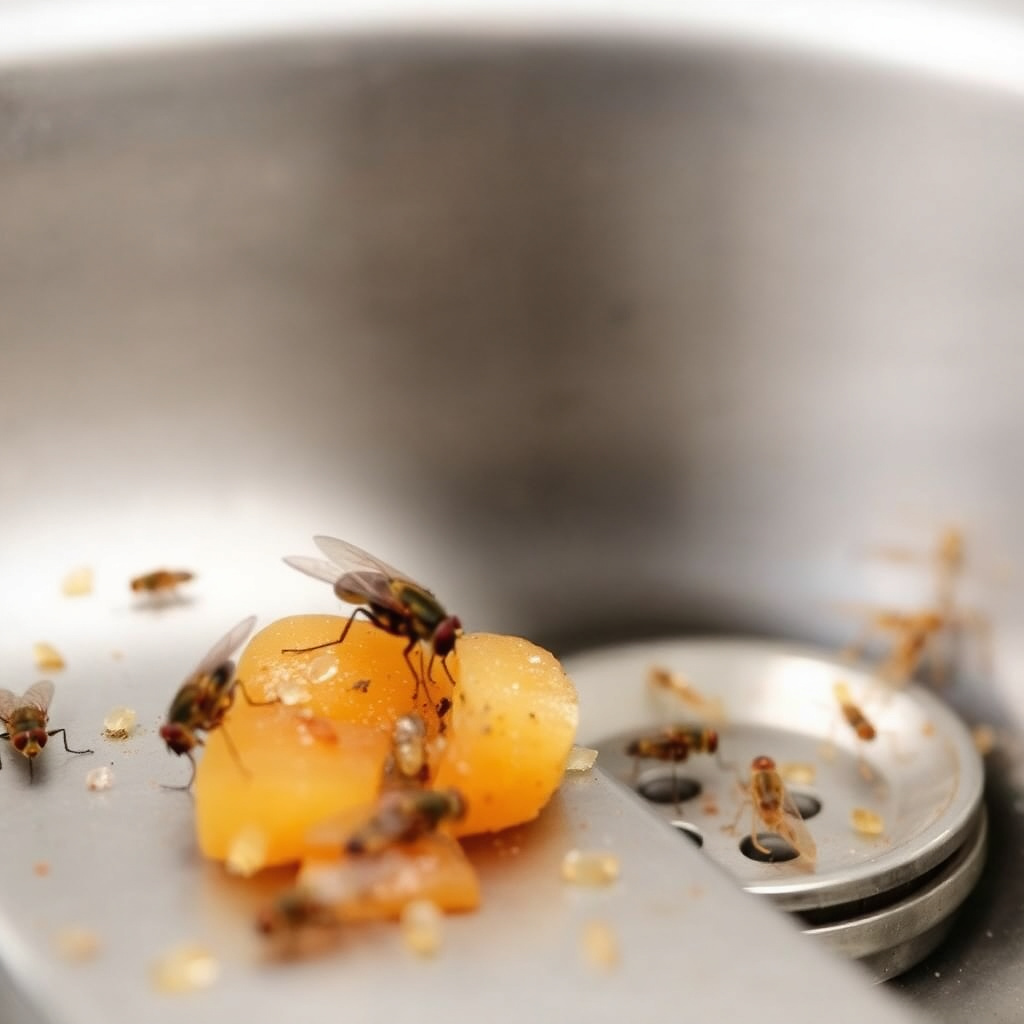
Small flies in kitchens typically include fruit flies, drain flies, and fungus gnats. Fruit flies are about 1/8 inch long with red eyes and tan bodies, often hovering near ripe fruit or sugary substances.
Drain flies have fuzzy, moth-like wings and prefer damp areas like drains or garbage disposals, while fungus gnats are slightly larger, found near potted plants, and thrive in moist soil.
How to Distinguish Fly Types for Effective Control
Recognizing the fly type helps in choosing the right control method. For example, fruit flies are attracted to fermenting produce, so removing such food sources is essential.
Drain flies indicate moisture buildup in pipes or sinks, requiring cleaning of these areas to disrupt their life cycle. Fungus gnats signal overwatered plants that need adjusting to cut off their breeding ground.
Immediate Steps to Stop Small Flies in Kitchen
Eliminate Food and Moisture Sources
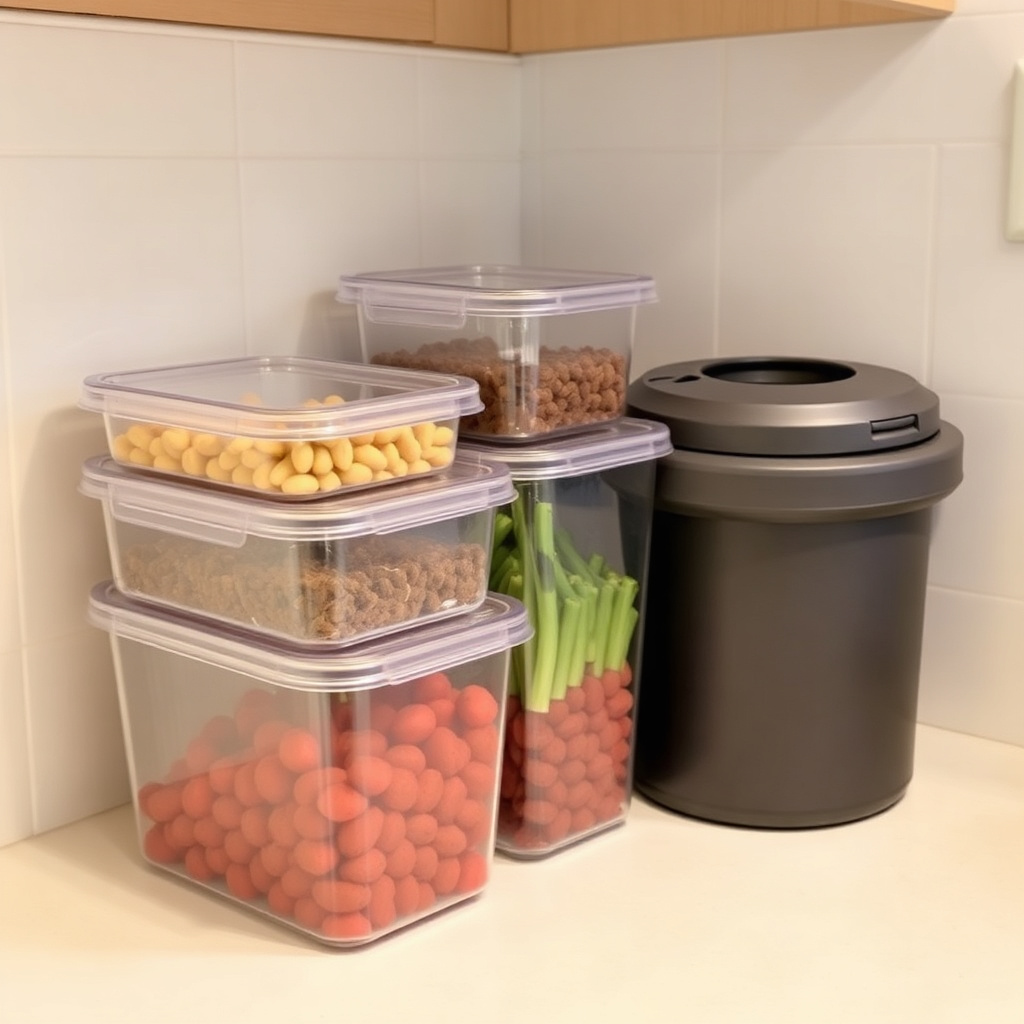
Remove ripe or rotting fruits and vegetables from counters and store them properly in the refrigerator or sealed containers. Clean up spills promptly to deny flies easy access to fermenting ingredients.
Fix leaky sinks and avoid leaving standing water in drains or dish racks. Moist conditions can harbor fly larvae, so drying surfaces and improving ventilation reduces fly breeding spots considerably.
- Refrigerate fruits and vegetables
- Clean spills immediately
- Fix leaks under sinks
- Empty and clean garbage bins regularly
Use Homemade Fly Traps
Trap small flies with simple DIY solutions like a jar containing apple cider vinegar and a drop of dish soap. The vinegar attracts the flies while the soap breaks the surface tension, causing them to drown.
Another effective trap is a funnel made from paper inserted into a jar filled with ripe fruit or wine residues. Flies enter but cannot escape, reducing their population quickly.
- Apple cider vinegar and dish soap trap
- Paper funnel in fruit bait jar
Long-Term Prevention of Small Flies in Kitchen
Maintain Cleanliness and Food Storage
Regularly clean kitchen surfaces including counters, drains, and garbage areas to eliminate any food residues that attract flies. Store fruits and vegetables in sealed containers or refrigerators.
Avoid leaving dirty dishes or food scraps exposed for extended periods. Using airtight bins for compost also helps to contain organic waste odors and limits fly attraction.
- Daily wipe-down of surfaces
- Store food in sealed containers
- Clean drains with baking soda and vinegar
- Use closed compost bins
For more on this, see our related guide: How to Get Rid of Kitchen Gnats Fast.
Manage Moisture and Plant Care
Prevent excess moisture around sinks and areas prone to leaks. Inspect and dry wet sponges or dishcloths frequently to reduce fly breeding spots.
For households with indoor plants, avoid overwatering since fungus gnats thrive in moist soil. Let the soil surface dry out, and consider using sand mulch to discourage larvae.
- Fix all leaks promptly
- Dry sponges and cloths daily
- Water plants only as needed
- Use sand mulch on plant soil
Using Commercial Products Against Small Kitchen Flies
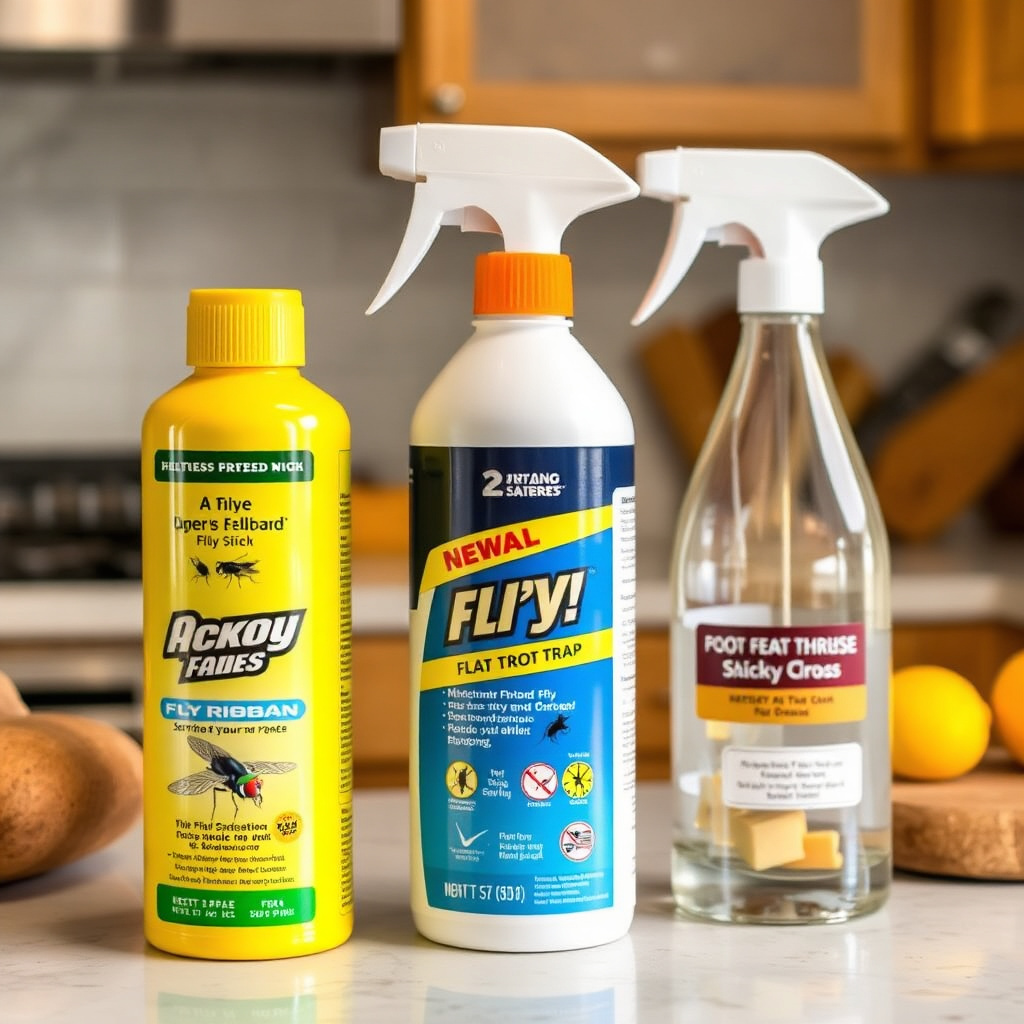
Fly Traps and Sticky Tape Options
Sticky fly ribbons can capture flying insects effectively, especially near windows and trash bins. Commercial fly traps with UV light or attractants target small flies by luring and trapping them.
Place these traps strategically around problem areas to reduce fly numbers while maintaining kitchen hygiene as the primary defense.
- Sticky fly ribbons near entrances
- UV light traps for nighttime use
- Baited commercial fly traps
Insecticides and Natural Sprays
Some insecticide sprays labeled for flying insects can eliminate adult flies quickly. Use with caution to avoid food contamination, following label safety directions.
Alternatively, natural sprays containing essential oils like lemongrass or peppermint can repel flies without toxic effects, ideal for kitchens where chemical use is a concern.
- Use insecticides away from food prep
- Apply natural essential oil sprays
- Avoid overuse to prevent resistance
Addressing Hidden Breeding Sites
Cleaning Kitchen Drains and Garbage Disposals
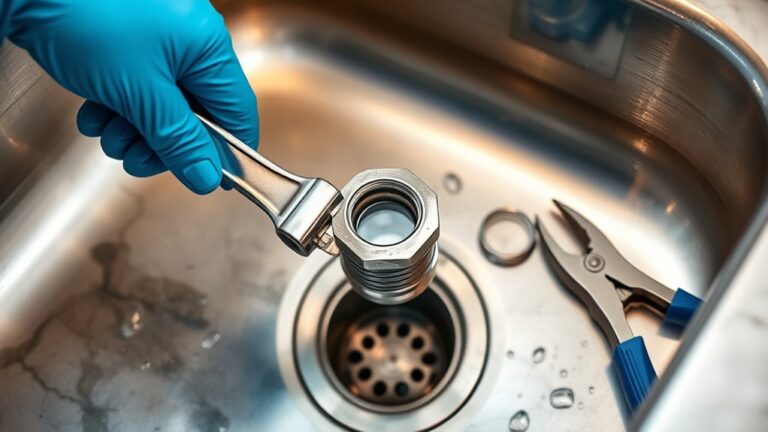
Flies often breed inside drains and garbage disposals where food debris accumulates. Scrub these areas with brush and clean regularly using enzymatic cleaners or a mix of baking soda and vinegar.
Running hot water frequently flushes away residues. Consider mechanical drain cleaners or professional help for stubborn blockages to maintain dry, fly-free pipes.
- Use enzymatic drain cleaners weekly
- Scrub drain walls thoroughly
- Flush with hot water daily
For more on this, see our related guide: 5 Easy Steps to Get Rid of Gnats in Your Kitchen.
Inspecting and Cleaning Trash and Recycling Bins
Trash and recycling bins are hotspots for fly eggs. Wash bins with disinfectant regularly and use liners to contain leaks and smells.
Keep lids tightly closed to restrict fly access and empty garbage frequently to limit organic waste buildup that attracts small flies.
- Wash bins weekly with disinfectant
- Use leak-proof liners
- Close lids tightly
- Empty bins regularly
Additional Natural Remedies Against Small Kitchen Flies
Using Fresh Herbs and Essential Oils
Plants such as basil, mint, and lavender repel small flies naturally. Placing potted herbs near kitchen windows or counters can reduce fly presence.
Essential oils extracted from these herbs can be diffused or mixed with water and sprayed around the kitchen to discourage flying insects effectively.
- Grow basil, mint, or lavender pots
- Diffuse essential oils indoors
- Spray diluted oils near fly entry points
For more detailed scientific information on fruit flies and their biology, visit the fruit fly Wikipedia page. fruit fly Wikipedia page.
Other Home Remedies and Tricks
Placing a bowl of milk with sugar and ground pepper serves as a bait that traps and kills flies naturally. Fans directed towards food areas can physically disrupt fly flight.
Keep windows screened to prevent outdoor flies from entering and try sealing gaps around doors and vents as part of integrated fly management.
- Milk, sugar, and pepper bait trap
- Use fans near food prep areas
- Screen windows and doors
- Seal kitchen entry gaps
Comparison of Small Fly Control Methods for Kitchens
Here is a comparison of popular control strategies based on cost, ease of use, effectiveness, and safety for typical kitchen environments.
| Method | Cost | Ease of Use | Effectiveness | Safety |
|---|---|---|---|---|
| DIY Vinegar Trap | Low | Easy | Moderate | Very Safe |
| Commercial Fly Trap | Medium | Easy | High | Safe |
| Insecticide Sprays | Medium | Moderate | High | Caution Needed |
| Natural Essential Oils | Low | Easy | Moderate | Safe |
| Sanitation & Cleaning | Low | Moderate | High | Very Safe |
Frequently Asked Questions
What attracts small flies to my kitchen?
Small flies are attracted by fermenting fruits, spilled juices, damp organic matter, and moist areas like drains or overwatered plants.
Are the small flies harmful to health?
While small flies do not bite, they can transfer bacteria from decaying matter to food surfaces, potentially causing contamination.
Can I use insecticides safely in my kitchen?
Insecticides can be used if applied according to the label and kept away from food preparation areas to avoid contamination.
How long does it take to get rid of small flies?
With proper cleaning and trapping, small fly populations generally reduce significantly within 1-2 weeks.
Do fruit fly traps work effectively?
Yes, traps using apple cider vinegar or fermenting bait are very effective at attracting and capturing fruit flies in kitchens.
Key Takeaways
- Identify fly species to target the right breeding sources.
- Clean food residues and fix moisture issues to cut off fly reproduction.
- Use homemade vinegar traps or commercial fly traps for fast results.
- Maintain regular sanitation to prevent future infestations.
Conclusion
Dealing with small flies in your kitchen requires a combination of identifying the pests and removing their preferred breeding spots. By targeting both food-related attractants and moisture sources, you disrupt their life cycle and minimize their presence. Using effective traps alongside cleaning efforts accelerates fly reduction, making kitchens more sanitary and comfortable.
Choosing the right control method depends on convenience and severity. For mild fruit fly issues, homemade vinegar traps paired with diligent food storage may suffice. More persistent infestations involving drain flies call for professional drain cleaning combined with commercial fly traps. Natural remedies like essential oils complement these approaches by repelling flies without chemicals.
Taking prompt and consistent action is key. Start by eliminating overripe produce and properly sealing food containers. Set traps early and regularly wash potential breeding grounds such as drains and garbage bins. Following these steps leads to a fly-free kitchen and a healthier home environment.