How to Get Rid of Tiny Tiny Ants in Kitchen: Effective Strategies That Work
To get rid of tiny tiny ants in your kitchen, start with thorough cleaning to remove food particles and residue, seal entry points, and use bait or natural repellents targeted at these ants. These steps disrupt their trails and food sources, which are critical to their survival inside your home.
Tiny ants in the kitchen can be persistent because they form extensive trails and nest close to food and moisture. Since they are attracted to sugary and greasy items, keeping your kitchen clean and dry is essential for long-term control. Also, understanding their behavior helps you choose the best removal method.
This article covers why tiny ants invade kitchens, practical home remedies, specific ant control methods for kitchen use, preventive tips, and comparisons of popular ant treatments to help you make an informed choice and get your kitchen ant-free.
Understanding Tiny Tiny Ants in the Kitchen
Common Tiny Ant Species Found Indoors
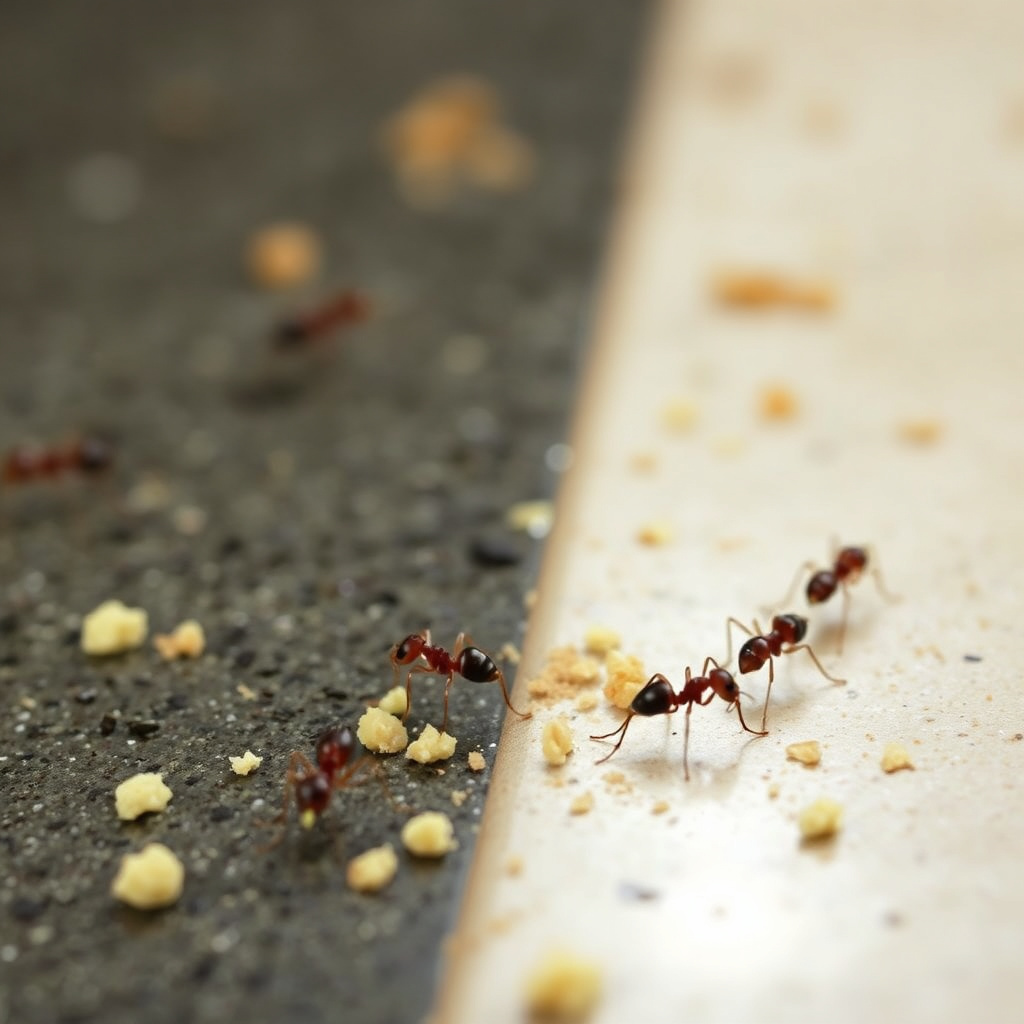
The most typical tiny ants found in kitchens include the odorous house ant and the Argentine ant. These ants are small, measuring only about 1/16 to 1/8 inch, and they prefer moist environments near food sources, especially sweets and proteins.
Knowing the species helps in selecting the right bait or treatment because some ants respond better to sugar-based baits while others prefer proteins. Each species has unique habits and nesting preferences, often close to your kitchen's warm and humid spots.
Why Kitchens Attract Tiny Ants
Kitchens provide warmth, moisture, and abundant food spills that attract tiny ants. Even crumbs left on counters or inside cabinets can be enough to lure them in. Open food packages and unsealed garbage cans are also common attractants.
Besides food, these ants seek water sources found in sinks, dishwashers, and under appliances. They send out scouts to leave chemical trails marking paths for others, which can result in large numbers invading quickly after just a minor food spill.
Effective Cleaning and Prevention Techniques
Cleaning Routines to Discourage Ants
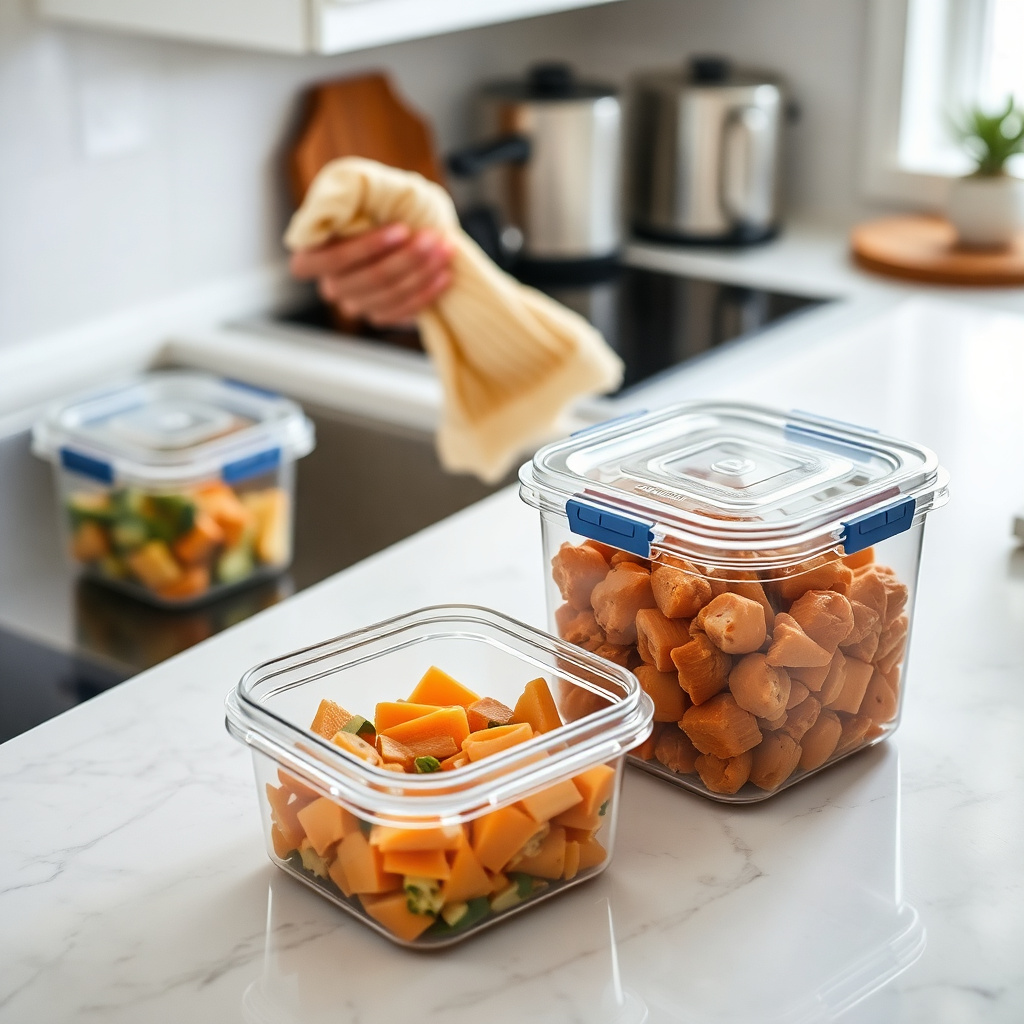
Daily cleaning removes food residues and sticky spots that ants use to forage. Wipe down all surfaces, sweep floors, and promptly clean up spills, especially sugary or greasy substances. Empty trash regularly and use bins with tight-fitting lids.
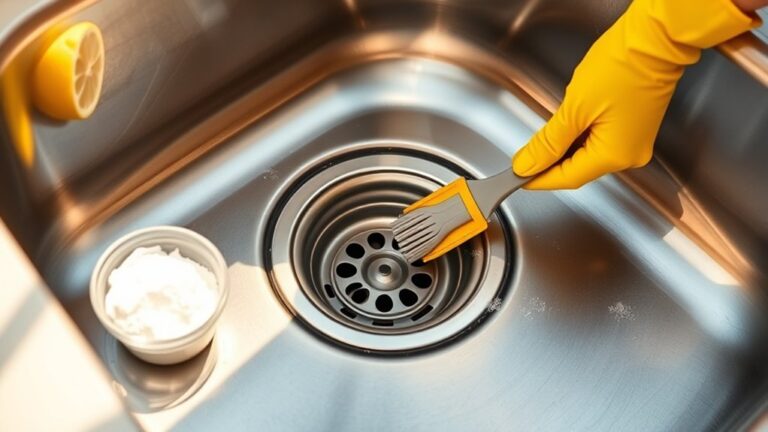
Avoid leaving pet food out for extended periods. Also, keep sinks and drains dry where possible, as these are common water sources for ants in kitchens. Clean under appliances, as crumbs can accumulate unnoticed.
- Use vinegar-water solution to wipe surfaces
- Sweep and mop floors regularly
- Store food in airtight containers
- Empty and clean trash cans frequently
For more on this, see our related guide: How to Kill Ants in the Kitchen Step-by-Step.
Sealing Entry Points and Reducing Attractants
Tiny ants can enter through gaps around windows, doors, and utility pipes. Inspect and seal these with caulk or weather stripping to block their entry. Pay attention to tiny cracks in walls or cabinets, as ants find even the smallest openings inviting.
Removing clutter such as cardboard boxes near the kitchen and minimizing standing water prevents nesting sites. Moving firewood or mulch away from your home's foundation also reduces ant access.
- Caulk cracks and holes around kitchen walls
- Add weather stripping to doors
- Keep kitchen clutter minimal
- Fix leaky pipes or faucets
Home Remedies and Natural Solutions for Ant Control
Using Vinegar, Lemon, and Essential Oils
White vinegar and lemon juice disrupt ant scent trails, making it harder for them to navigate. Spraying a 50/50 mixture of vinegar and water on countertops, baseboards, and entry routes helps break these chemical trails effectively.
Certain essential oils like peppermint, tea tree, and eucalyptus act as natural repellents. Applying diluted oils near ant entry points reduces their activity and deters reinfestation when combined with other control methods.
- Spray vinegar-water solution on ant paths daily
- Wipe surfaces with lemon juice
- Place cotton balls soaked in peppermint oil near entries
DIY Ant Baits With Borax or Sugar
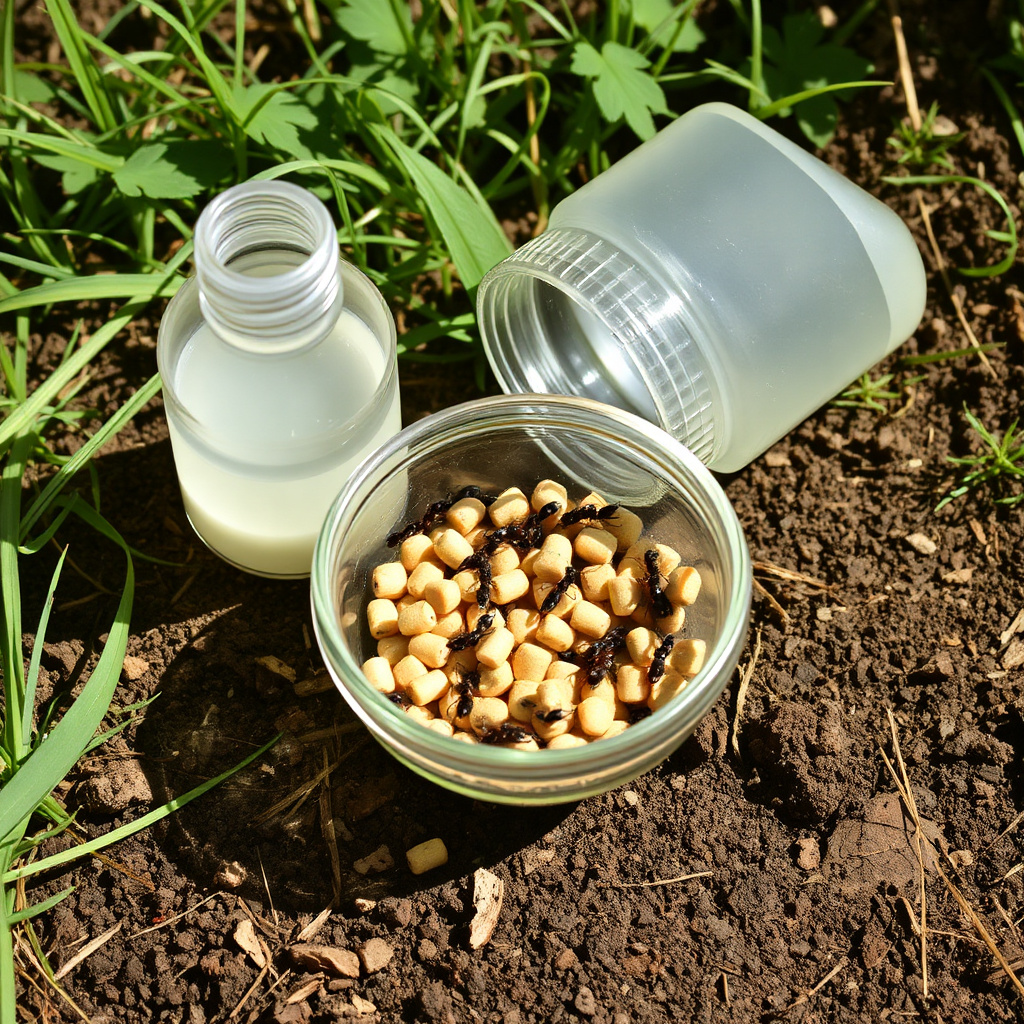
Creating homemade bait using borax mixed with sugar or honey lures ants who carry the poison back to their nest, gradually eliminating the colony. The key is to place baits where ants are active but out of reach of children and pets.
Use a mixture of 1 part borax to 3 parts sugar, moistened slightly, then put the bait in shallow containers or on small pieces of cardboard near ant trails. Replace bait regularly until activity ceases.
- Mix 1 part borax with 3 parts sugar
- Place baits along ant trails
- Keep baits away from pets and kids
- Replace baits after 3 days
Commercial Ant Control Methods for Kitchen Use
Gel Baits and Bait Stations
Gel baits attract ants to feed and carry poison back to the colony, effectively reducing populations over days. Bait stations protect the gel from contamination and make application simpler, especially in kitchens.
Choose products specifically labeled for indoor kitchen use and follow instructions for placement—typically near baseboards, under sinks, or by entry points. These products usually contain slow-acting insecticides to target the nest.
- Place baits where ants are seen
- Avoid spraying insecticides directly on baits
- Use around kitchen edges and behind appliances
For more on this, see our related guide: How to Get Rid of Cockroaches in Your Kitchen Fast.
Insecticide Sprays and Dusts
Residual insecticide sprays create a barrier that kills ants on contact and deters entry. Use sprays labeled for indoor use and safe around food areas, applying cautiously to cracks and crevices.
Dust formulations can be applied in wall voids and behind appliances where ants nest, providing long-lasting control. These should be used following safety guidelines to avoid contamination of food surfaces.
- Apply sprays to ant entry points
- Use dusts in cracks and wall voids
- Always follow label safety instructions
Long-Term Prevention and Maintenance
Routine Inspections and Quick Action
Regularly checking your kitchen for signs of ants such as trails or small nests helps catch infestations early. Addressing sightings immediately reduces population buildup and limits spread to other rooms.
Keep track of areas prone to moisture buildup or food debris, and regularly clean hidden or less visible spots like behind appliances or under cabinets for lasting prevention.
- Inspect kitchen weekly for ant activity
- Clean under and behind appliances monthly
- Promptly repair leaks or water damage
For more detailed information on different ant species and their behaviors, see the Wikipedia article on ants. Wikipedia article on ants.
Integrated Pest Management Strategies
Combining sanitation, exclusion, and targeted use of baits or insecticides forms a smart pest control approach. This method minimizes pesticide reliance while maximizing effectiveness, especially against tiny kitchen ants that adapt quickly.
Use non-toxic repellents and physical barriers with chemical tools only as needed, focusing on habitats and behavior. Keeping a consistent prevention routine makes it harder for ants to establish permanent colonies.
- Use sanitation and exclusion first
- Apply baits over sprays when possible
- Combine multiple methods for best results
Comparison of Popular Ant Control Options for Kitchen Use
This table compares different ant control options focusing on effectiveness, safety, and ease of use in kitchen environments.
| Method | Effectiveness | Safety for Kitchen Use | Ease of Application |
|---|---|---|---|
| Vinegar & Lemon Spray | Moderate | Highly Safe | Easy |
| Borax Sugar Bait | High | Moderate (keep away from pets) | Moderate |
| Gel Baits | High | Moderate (follow label directions) | Easy |
| Insecticide Sprays | Moderate to High | Varies (use as directed) | Easy |
| Essential Oils | Low to Moderate | Safe | Easy |
| Residual Dusts | High | Use with caution | Moderate |
Frequently Asked Questions
Why do tiny ants keep coming back after cleaning?
Tiny ants return because they can find new entry points or their nests remain undisturbed inside walls. Thorough sealing of cracks and using targeted baits to reach the colony are needed alongside cleaning to stop repeated invasions.
Are natural remedies effective against tiny kitchen ants?
Natural remedies like vinegar sprays and essential oils can disrupt ant trails and discourage activity but may not fully eliminate a colony. They work best combined with thorough cleaning and proper baiting for more complete control.
Is it safe to use insecticide sprays in the kitchen?
Many insecticide sprays labeled for indoor use can be applied carefully around kitchens, focusing on cracks and edges while avoiding food and utensils. Always follow product instructions and keep children and pets away during treatment.
How long does it take for ant bait to work?
Ant bait usually takes a few days to a week to reduce an infestation, as worker ants carry the poison back to the colony. Consistent placement and monitoring is necessary until activity stops.
Can sealing entry points alone prevent tiny ants?
Sealing entry points helps block many ants but is often not enough if a colony already exists inside the walls or cabinets. Combining sealing with baits or treatments gives the best chance of elimination.
Key Takeaways
- Thorough cleaning and sealing entry points remove food and access for tiny ants.
- Home remedies like vinegar disrupt ant trails but may need support from baits.
- Commercial gel baits and insecticides target colonies effectively when used properly.
- Regular inspection and integrated pest management prevent future infestations.
Conclusion
Addressing tiny tiny ants in the kitchen requires a combination of immediate cleanup, identifying how ants are getting inside, and breaking their search for food and water. Cleaning alone will temporarily reduce ants but targeting the colony with baits is essential for lasting results. Sealing cracks and maintaining dry, clutter-free surroundings further limit ant harborages. Understanding the ants’ behavior and nesting preferences aids in applying the appropriate treatments more effectively.
For kitchens with light ant problems, natural solutions such as vinegar sprays and essential oils offer a safe and accessible method to disrupt trails and reduce activity. When infestations grow or persist, commercial gel baits tailored for indoor use provide a more direct approach. Insecticide sprays and dusts can be used cautiously in severe cases but are best combined with baiting to avoid repelling ants from poison sources. Maintaining a routine prevention schedule with inspections and sealing keeps tiny ants from returning.
Begin your ant control by thoroughly cleaning the kitchen and sealing entry points to cut off common attractants and pathways. Then, depending on infestation severity, apply either natural repellents or targeted baits to eliminate existing ants. Keeping vigilant with regular checks and ongoing sanitation creates an environment inhospitable to tiny ants, turning your kitchen back into a pest-free zone.